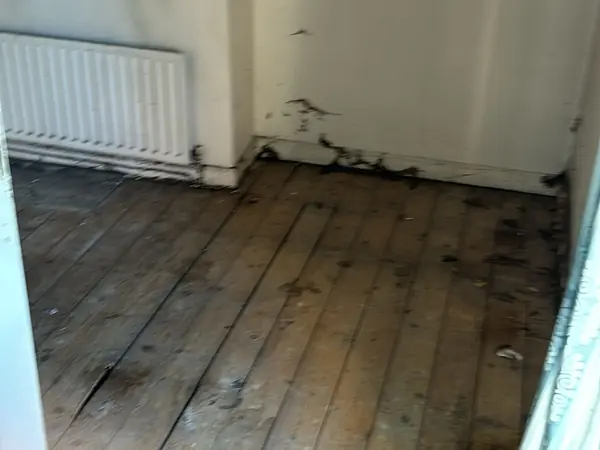
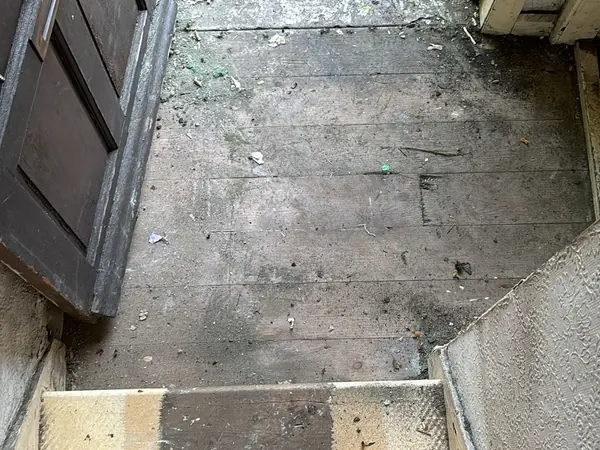
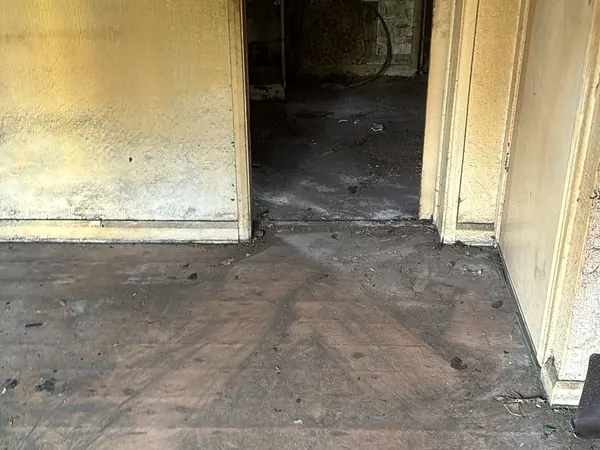
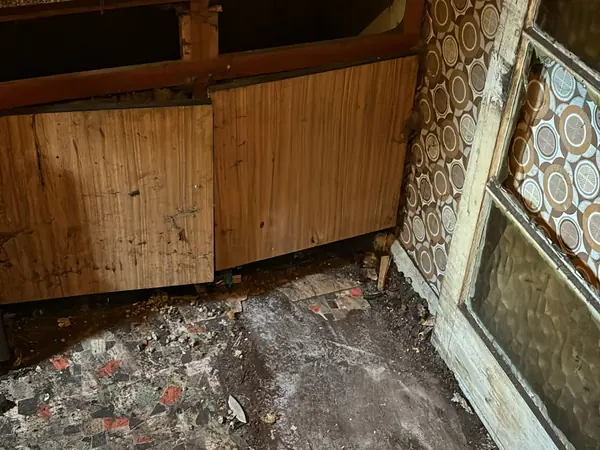
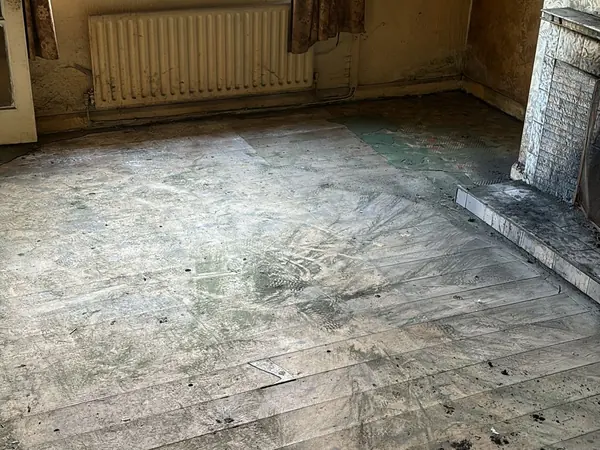
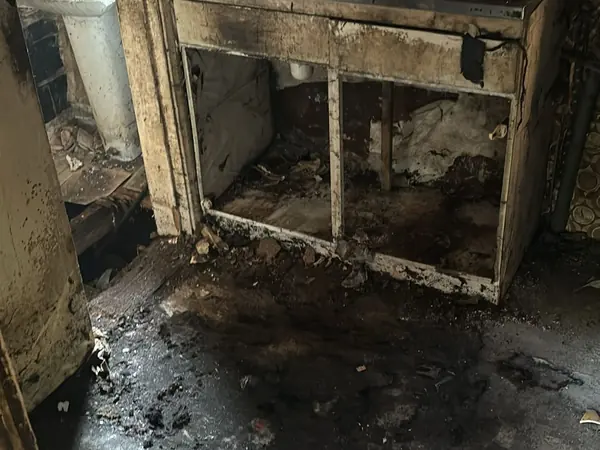
A small office in EC1M, over on the Clerkenwell edge of the City near Smithfield, took us three days, and the reason was the kerb, not the contents. Ground floor and one room upstairs, five steps up to the front door, and nowhere to leave the van within easy reach of it. The team worked out early they could load one vanful a day and no more, because every trip to the tailgate meant carrying past parked cars and around the corner. Fifteen tins of paint came out of that place, stacked in a back cupboard, along with the usual office desks and shelving. The paint we kept apart from the load, for reasons I'll come to. It was slow, honest work, and the client took the extra day in good part.
That is house clearance in Shoreditch in one job: the property itself is rarely the hard part; the street outside it usually is. We have been clearing flats, offices and estates across this corner of London since 2007. The pattern holds whether the address is a warehouse conversion off the high street, a walk-up in Hackney or a lock-up storage unit by the canal.
The postcodes we cover around Shoreditch
Shoreditch sits at the seam of three London boroughs, and our coverage runs with the postcodes rather than the boundary lines. Shoreditch proper falls under Hackney, but the districts we clear reach well past it. E1 and E2 through Bethnal Green and Whitechapel, E5, E8 and E9 across Hackney, Clapton and Homerton, E10, E15 and E20 out towards Leyton and Stratford, and up through N1, N4, N5 and N16 in Islington, Finsbury Park and Stoke Newington. West of the high street we work the City and Clerkenwell fringe. EC1A, EC1M, EC1R and EC1V around Farringdon, Hatton Garden and St Luke's, EC2A, EC2N and EC2Y by Old Street, Broadgate and the Barbican, EC3A and EC4Y down towards Aldgate and the river, and SE1 across the water on the South Bank. That is Greater London throughout, spanning Hackney, Islington, Tower Hamlets and the City of London.
Getting to any of it is easy enough. Shoreditch High Street on the Overground drops you a minute from the middle of it; Old Street, Liverpool Street, Hoxton and Bethnal Green ring the rest, and Homerton station is a short walk from where a lot of our E9 work sits. We know which of these streets a Luton can actually stop on and which need a permit sorted first, and that saves a wasted morning more often than not.
Some of what people ring us about sits just over the line, and where a neighbouring area has a page of its own we would rather send you straight to it. North of the canal, house clearance in Hackney runs from Dalston and London Fields up through Clapton and Homerton. West across the road it is house clearance in Aldgate, taking in Angel, Highbury and the north end of N1. And south of the river, past the SE1 work we do around Borough and Bermondsey, house clearance in Peckham covers that corner. Same crew, same vans, same licence — only the postcode on the job sheet changes.
What comes out, and where it goes
That office was mostly desks, chairs and shelving, and where a desk or chair still has good use in it we would rather find it a second home than a skip. Anything sound we offer to a nearby charity or a community reuse scheme first. What is genuinely spent goes to a licensed transfer station, weighed and paper-trailed so there is a receipt at the end of it. We hold a waste carrier licence, CBDU419679, and we are fully insured, which for an executor or a managing agent means the paperwork stands up if anyone ever asks where the contents went.
We also cleared a storage unit up by Kings Cross, in N1, for a company that just wanted a single room emptied. Old cabinets, wardrobes and a stack of office furniture, nothing more. As the customer put it before the day: "No hazardous elements, no electronics to clear – just old cabinets/wardrobs and other office furniture items." No cleaning, no fuss, invoiced straight to their accounts department. Some jobs really are that simple, and we would rather tell you so on the phone than pad the work out.
What we cannot take in an ordinary load
Those fifteen tins of paint are the example worth dwelling on. Paint, solvents, aerosols and any gas bottle cannot travel in a general house-clearance load; they have to go through a proper hazardous-waste route, and we tell you on the day what is coming with us and what is not. The same care applies to upholstered furniture. Since the rules on persistent organic pollutants tightened, sofas, armchairs and padded seating cannot simply be tipped in with everything else. The foam inside them must be stripped out and destroyed on a controlled route of its own, which the regulations now demand rather than merely suggest. Old fridges and freezers are handled separately too, for the gas in them.
None of this is meant to complicate a clearance. It is just the honest shape of the work, and knowing it in advance is why our vans turn up carrying the right kit for what is actually in the property.
Flats, walk-ups and the parking around them
Most of what we clear in this part of London is flats, and the third floor is where the day gets long. Flat clearance in Shoreditch and the postcodes around it is the bulk of the diary, week in, week out. One clearance in E9, a January morning over in Homerton, was a three-bedroom flat across three storeys with a kitchen and lounge. It came with a note that the block faced onto a quiet side road and the van would need to sit directly beneath the windows to work at all. The front of the building was no use to us.
The instructions came back on the booking form line by line, in the customer's own words: "Fridge to be left and table in the kitchen. Door to front of washing machine (in downstairs cupboard) to be left. Carpets to remain and also curtains." The integrated washing machine was to come out, which is more of a plumbing job than people expect.
We cleared what was asked and left exactly what was asked, no more.
That kind of instruction is normal here. A lot of Shoreditch and Hackney flats are walk-ups with no lift, tight communal stairs and a shared street bay that fills by nine. Where a bay needs suspending or a permit arranging, it is far better to know a week out than to find the crew circling the block on the morning. Tell us the floor, the lift or lack of one, and how close the van can realistically get, and the day plans itself.
Not everything here is a flat, mind. Garage and loft clearance comes up more often than a district this built-up would suggest. A lock-up under the arches holding twenty years of somebody's overflow, a loft hatch above a converted top floor that nobody has been up through since the last owner, a shared store somebody has quietly been using as a shed. Lofts are slow — everything comes down a ladder by hand, one armful at a time, and the boarding is rarely as sound as the seller believed. A garage in E5 or N4 is usually the opposite problem: quick to load, awkward to park beside.
Probate and clearances run from a distance
A good share of the work here is probate. An executor is often nowhere near the property — a relative in another county, or a solicitor handling the estate on paper — and the clearance has to happen without them present. That suits us. We can meet a neighbour or a managing agent for the keys, work to a written list of what stays and what goes, photograph the emptied rooms, and send the waste-disposal receipts on afterwards. For probate house clearance we are happy to invoice a solicitor, an attorney or the executor directly, and payment can come from the estate once the work is done. The quote is free and puts you under no obligation.
Half-emptied is the normal state of a probate property, not the exception. The family has usually been through it already. The photographs taken, a couple of pieces claimed by whoever had room for them. And what is left is the awkward remainder nobody wanted to make a decision about: a wardrobe too wide for the stairs, a loft still packed, a cupboard nobody has opened in years. That is fine, and it is most of what we walk into. Better that than someone spending a fortnight sorting it into piles on our behalf first. Tell us what has already gone and what is still standing, and we plan the day around what is actually there.
Hoarded and heavily overfilled properties
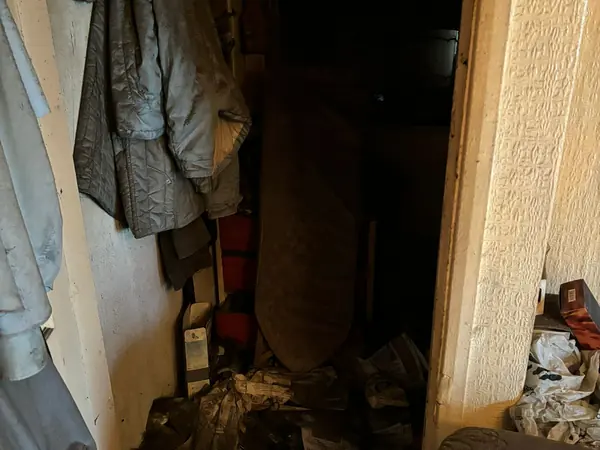
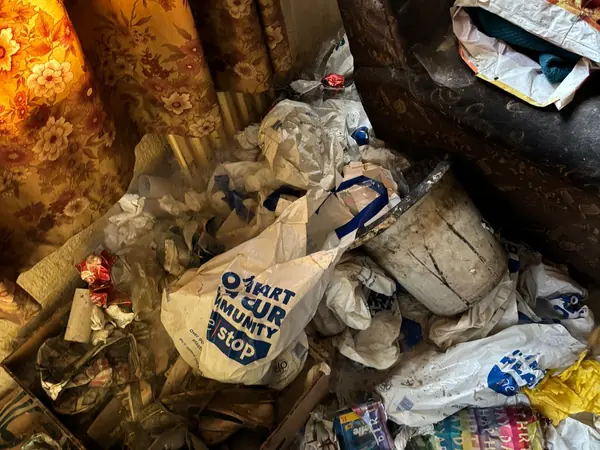
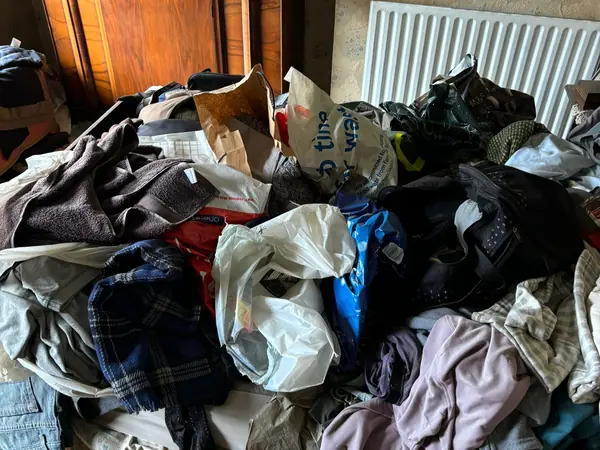
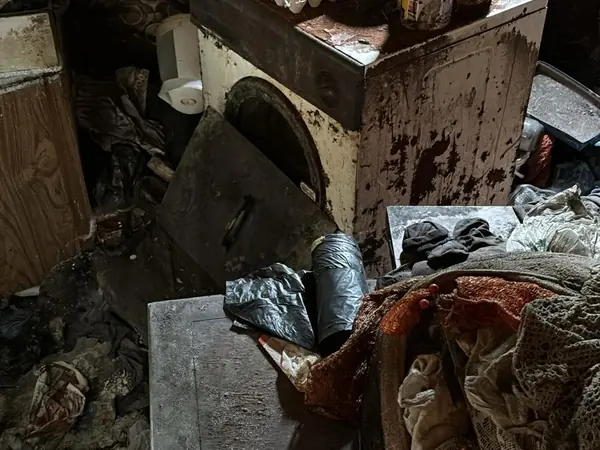
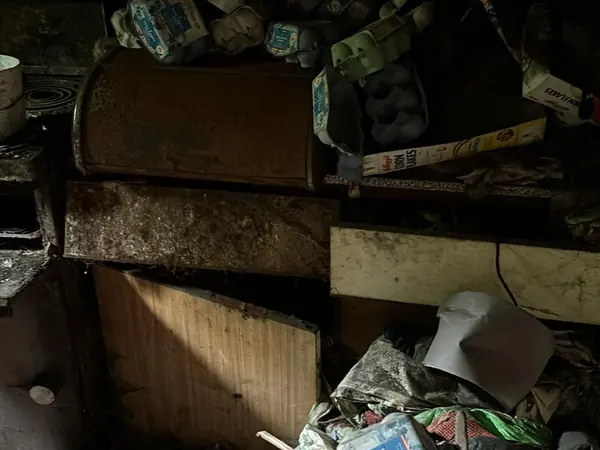
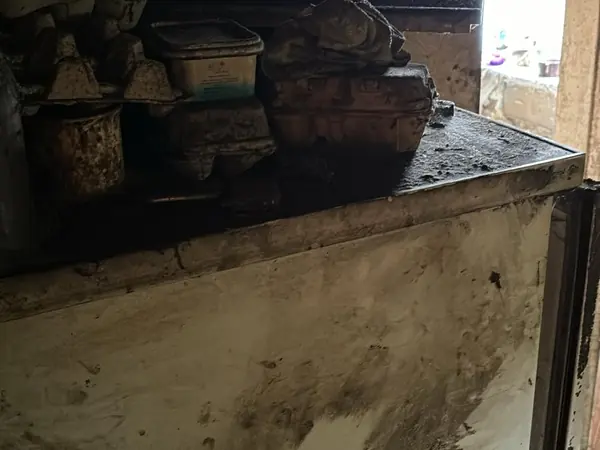
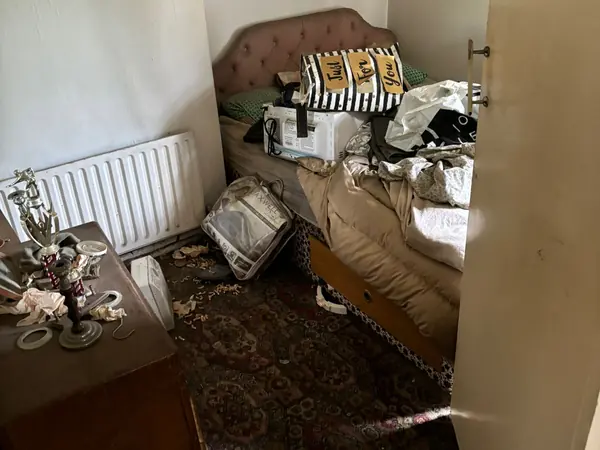
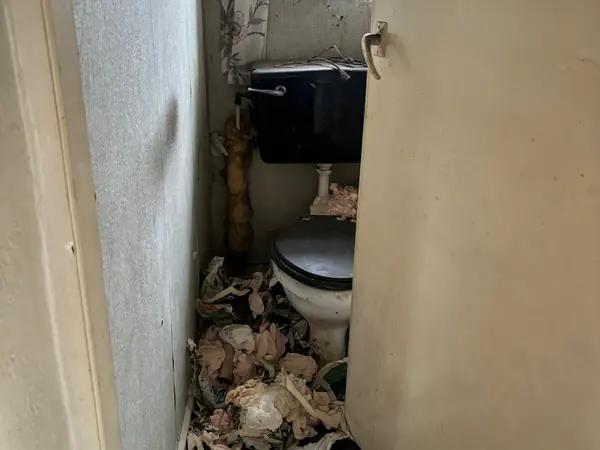
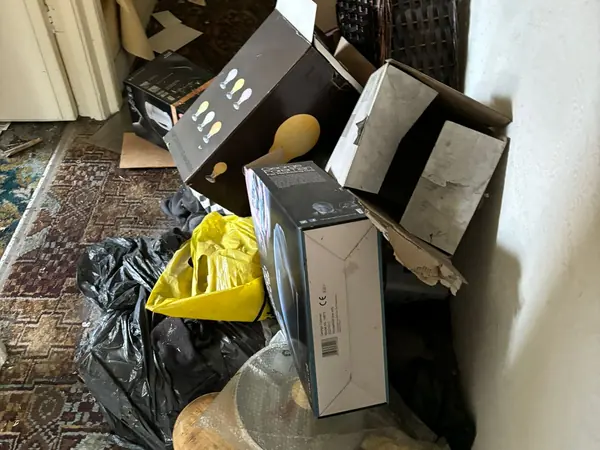
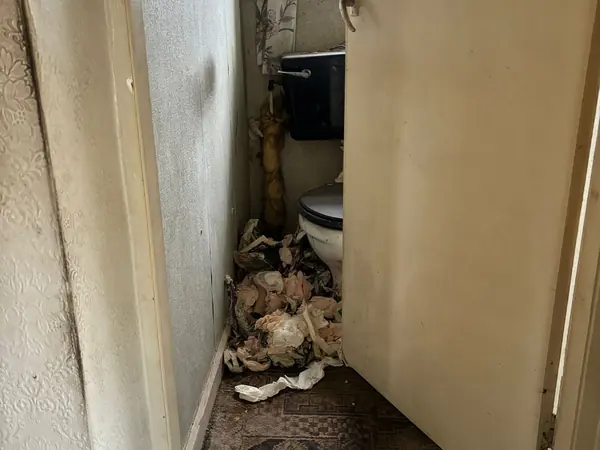
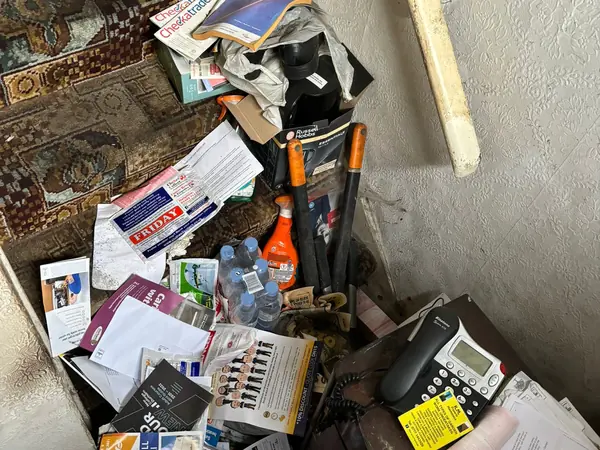
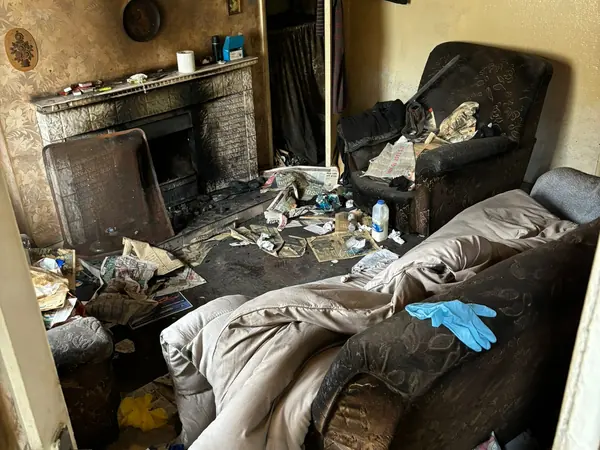
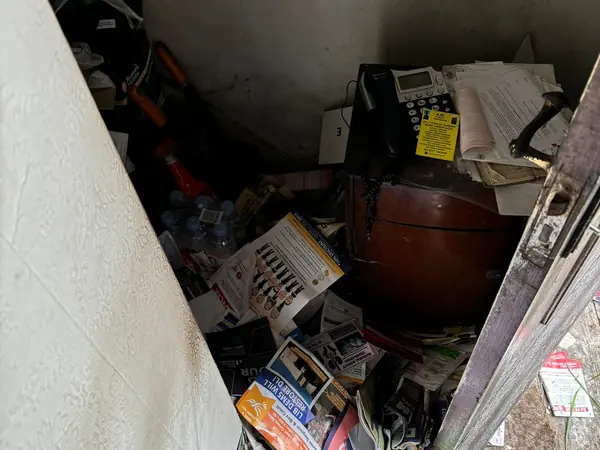
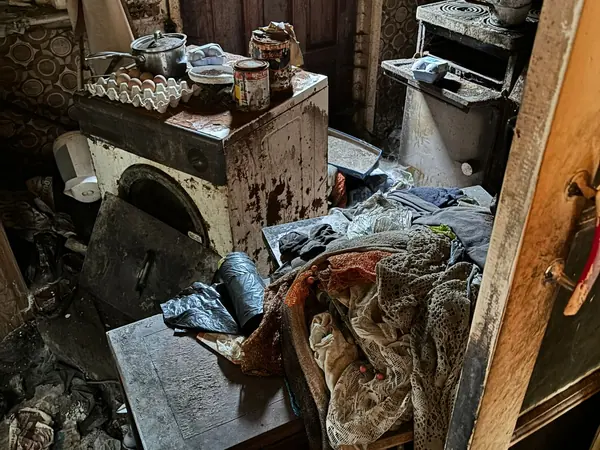
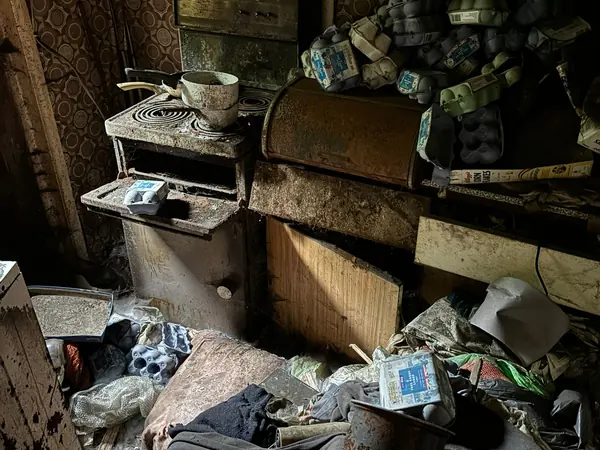
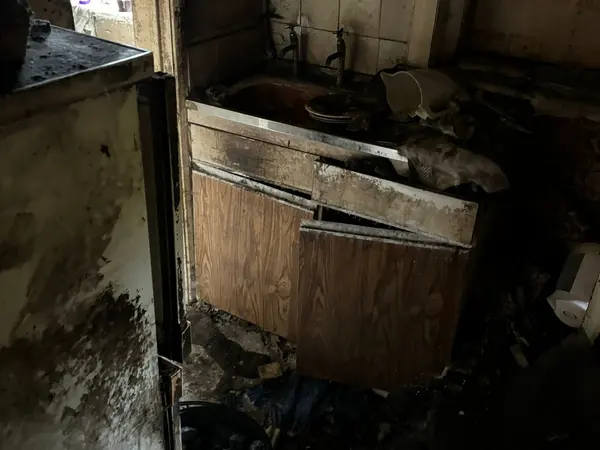
We also take on the flats and houses that have got away from someone. A hoarded home, floor to ceiling, narrow paths worn between the piles, is a job we will quote and clear without a lecture or a raised eyebrow. We have seen a great deal worse and never remarked on it. Where there is cash or anything of obvious value in the heap we keep an eye out for it and set it aside for the family rather than let it go out with the load. These clearances take longer and we plan the days honestly around them.
Getting a figure for your clearance
We do not price a Shoreditch clearance blind, and no one turns up to your door to pitch at you. The way to get a real number is to tell us what the property is and let us see it. Ring us on 0800 046 5555 for a straight answer, or send a few photos of the rooms through the form on this page and we will come back with a written quote. A picture of the loft, any garage and the fullest room tells us more than any phone description, and it means the crew arrives knowing what they are walking into.
Questions we are asked about house clearance in Shoreditch
Do you cover the whole of Shoreditch and the districts around it?
Yes. E1 and E2 through Whitechapel and Bethnal Green, E5, E8 and E9 across Hackney, Clapton and Homerton, E10, E15 and E20 out towards Leyton and Stratford, N1, N4, N5 and N16 up through Islington, Finsbury Park and Stoke Newington, the EC1 and EC2 districts around Farringdon, Old Street, Broadgate and the Barbican, EC3A and EC4Y towards Aldgate and the Temple, and SE1 over the river. If your address falls just outside that, ring anyway — the next crew along most likely covers it.
Can you invoice a solicitor or the executor for a probate house clearance?
We can. On probate work we invoice the solicitor, the attorney or the executor direct, and the payment can come from the estate once the clearance is finished. The waste-disposal receipts go over with the invoice, so the estate file has the paperwork in it.
Do I need to be at the property on the day?
No. A fair few of our Shoreditch clearances are run by someone who lives a long way off. We collect keys from a neighbour, a managing agent or an agent's office, work to your written list of what stays and what goes, photograph the rooms once they are empty and send those through with the receipts.
What will you not take away in the van?
Paint, solvents, aerosols and gas bottles cannot go in a general load — they need a hazardous-waste route. Upholstered furniture with foam in it is handled on its own controlled route under the persistent organic pollutant rules, and fridges and freezers go separately again because of the gas. We tell you on the day what is travelling with us and what is not.
Do you take on hoarded flats and heavily overfilled homes?
Yes, and without comment. Narrow paths between the piles, rooms filled to the ceiling, a kitchen nobody has been able to use in years — we have cleared all of it. We plan more days for it than a straightforward flat clearance and we say so honestly when we quote.
How do I get a written quote for house clearance in Shoreditch?
Ring 0800 046 5555, or send photographs of the rooms through the form on this page. Photos of the fullest room, the loft hatch and any garage or store are worth more than any description over the phone, and they get you a written quote rather than a guess.
Whether it is a City office in EC2A, a probate clearance in N16 or a walk-up flat in E8, the job comes down to the same three things: named streets, a licensed van, and a receipt at the close. That is the whole of house clearance in Shoreditch, and it is what we have done across these postcodes for the better part of two decades.