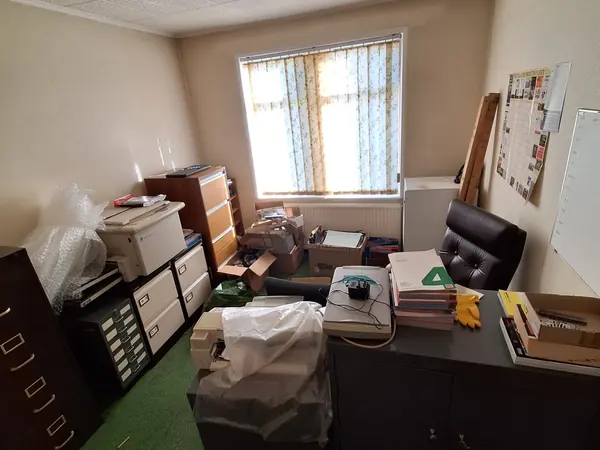
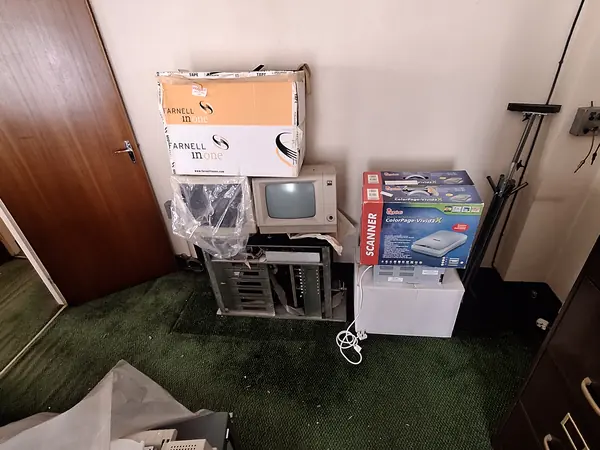
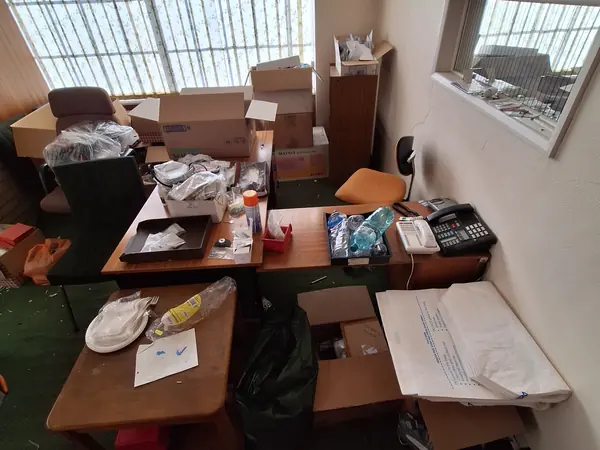
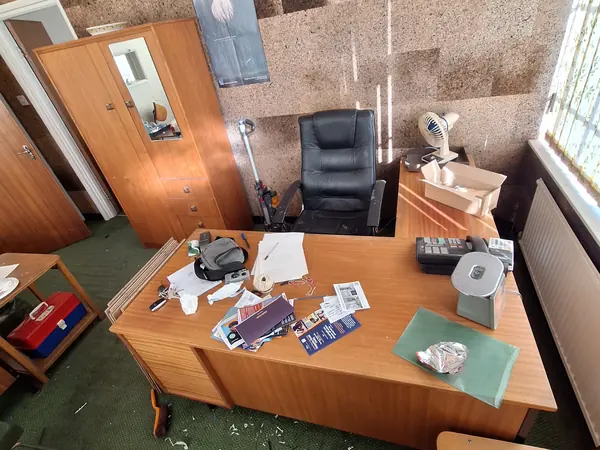
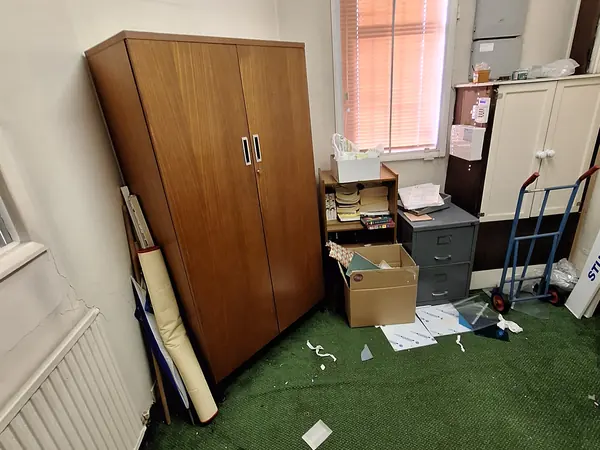
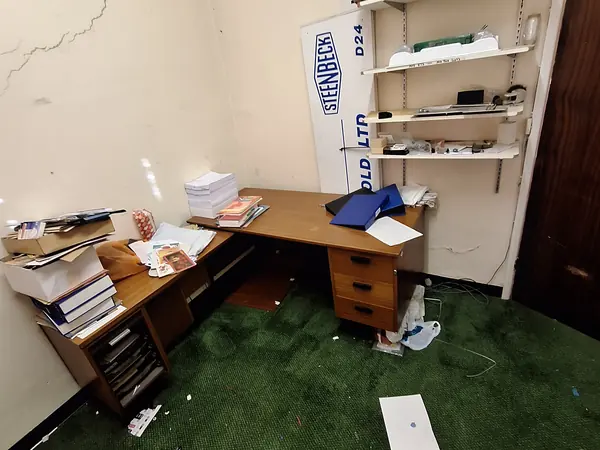
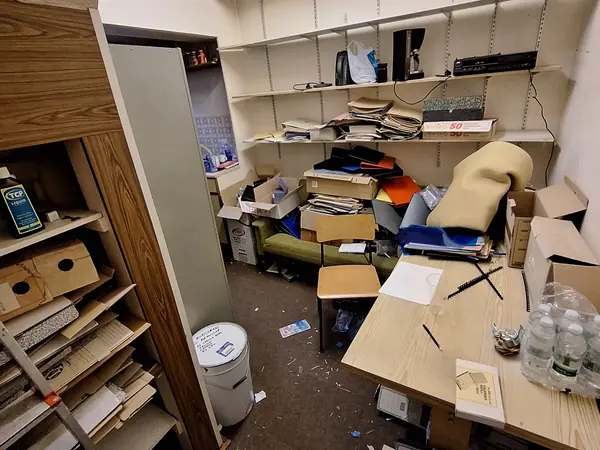
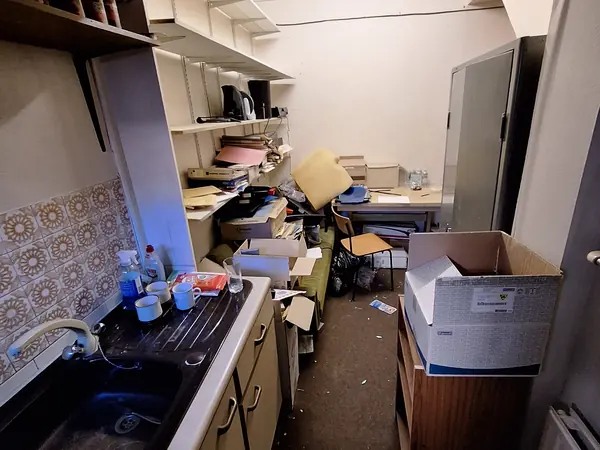
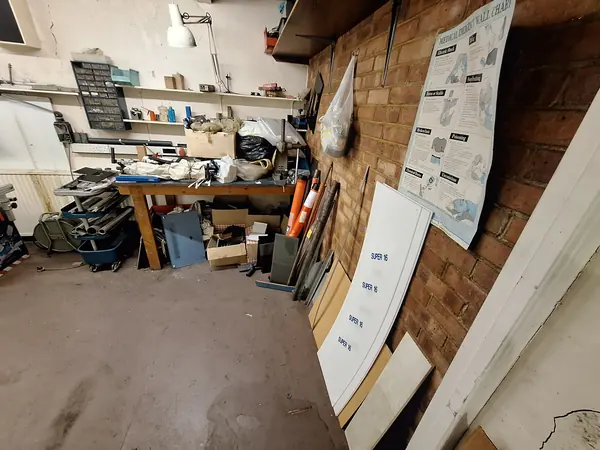
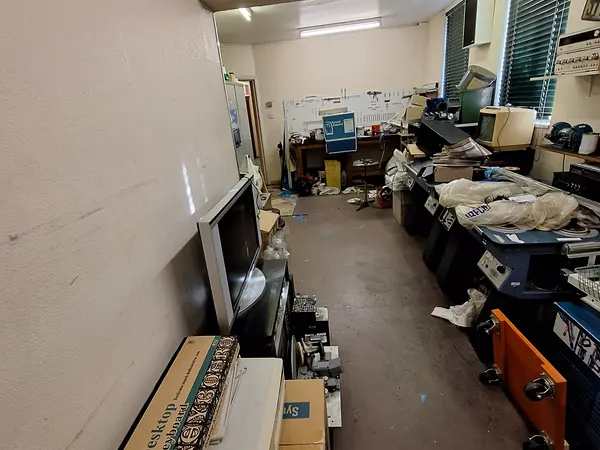
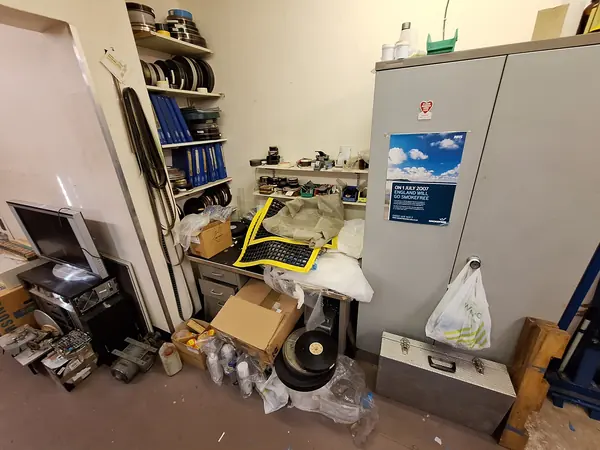
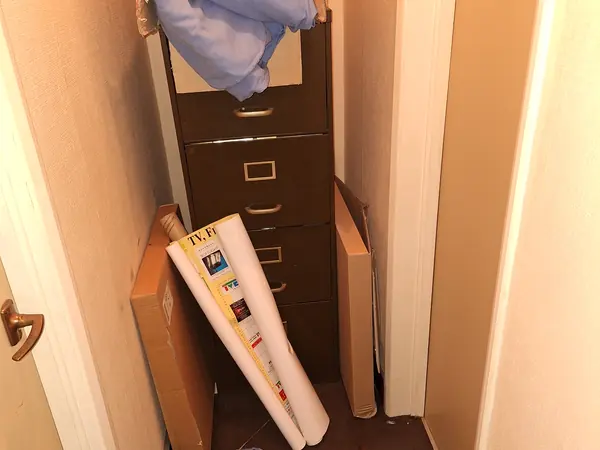
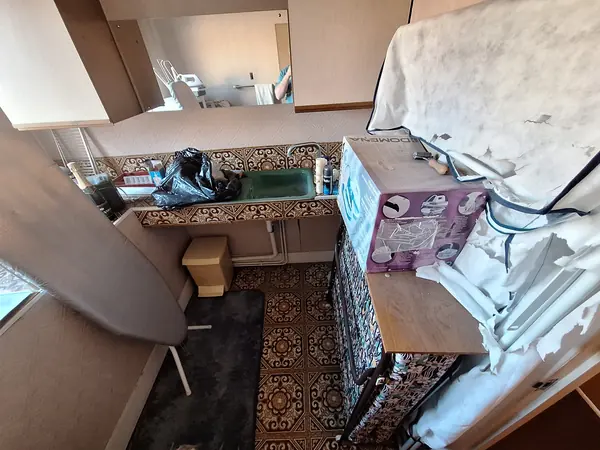
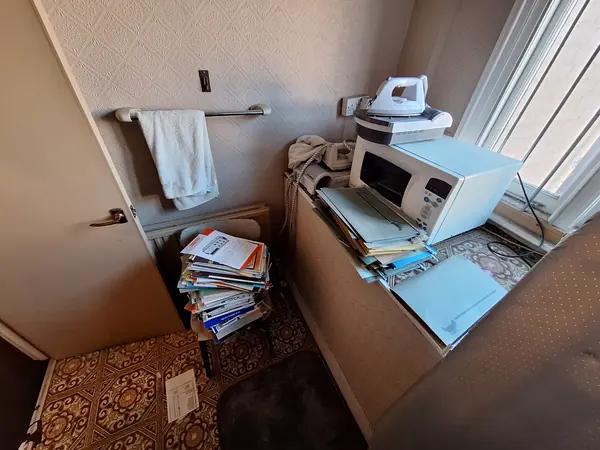
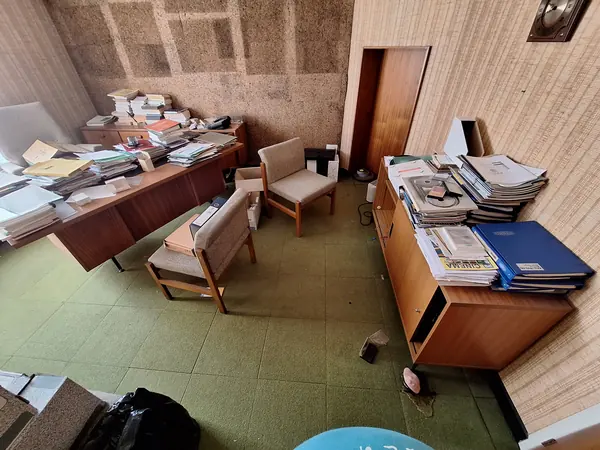
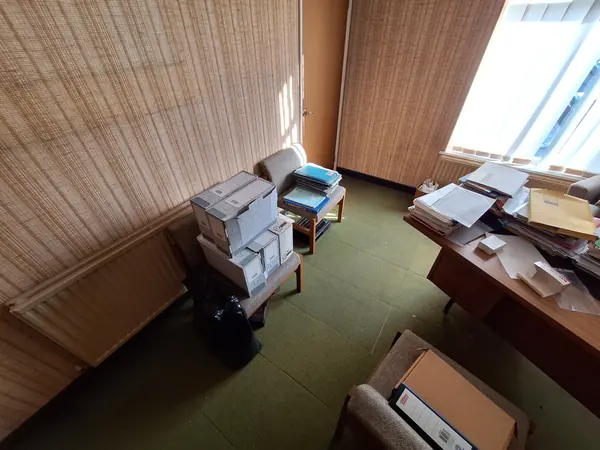
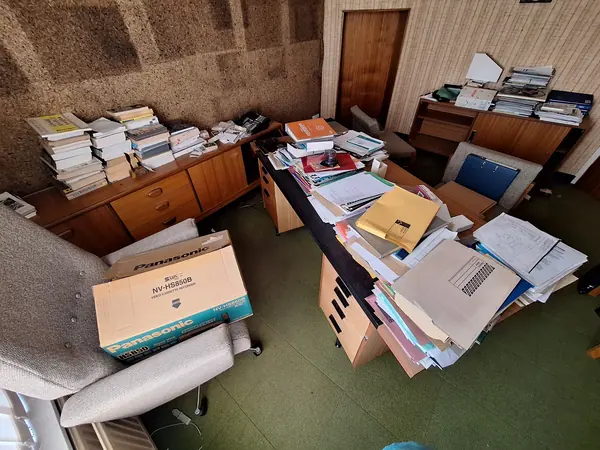
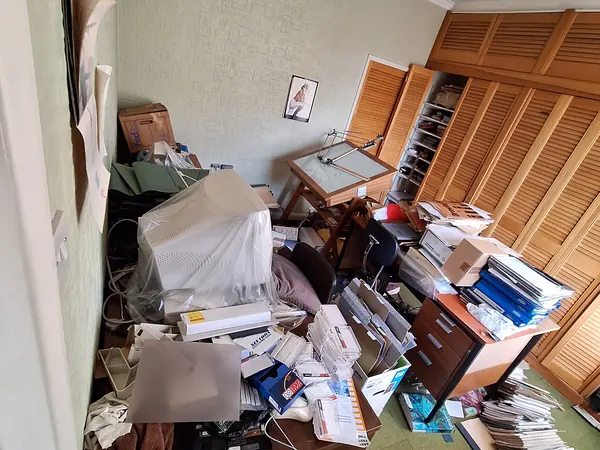
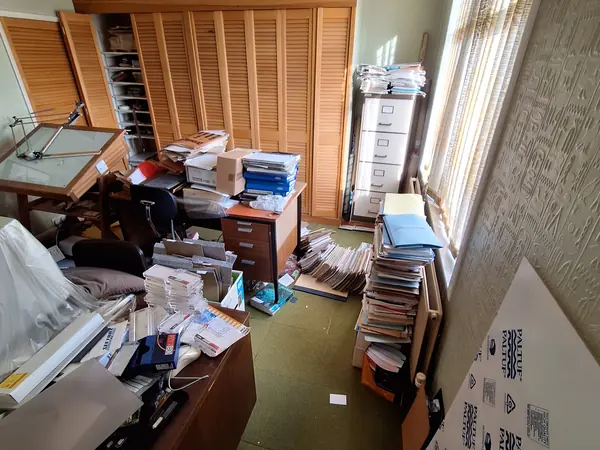
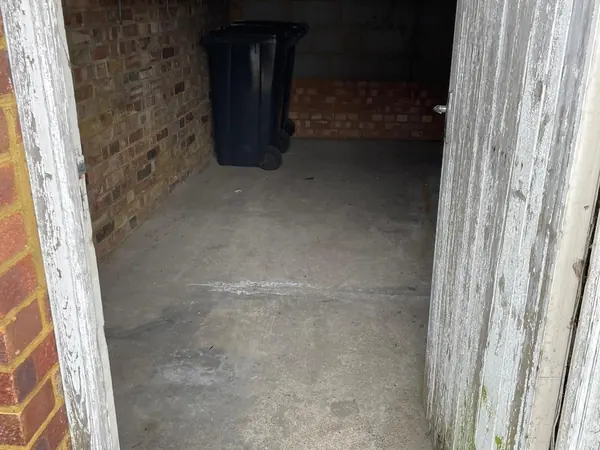
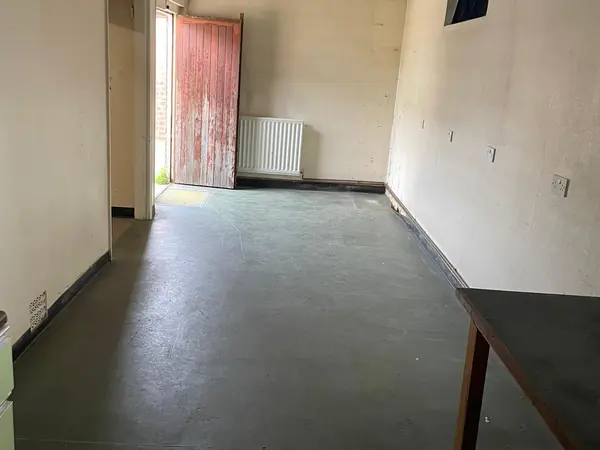
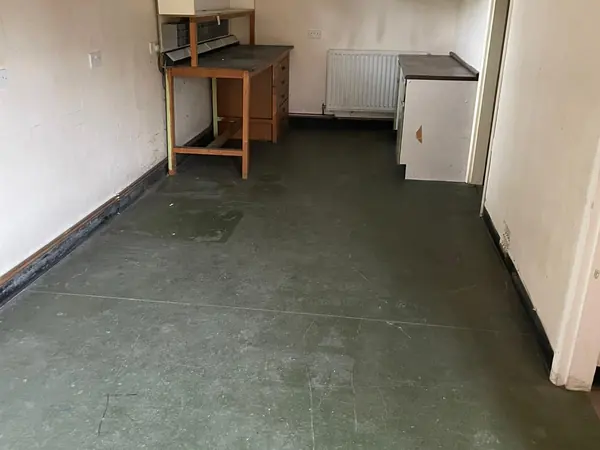
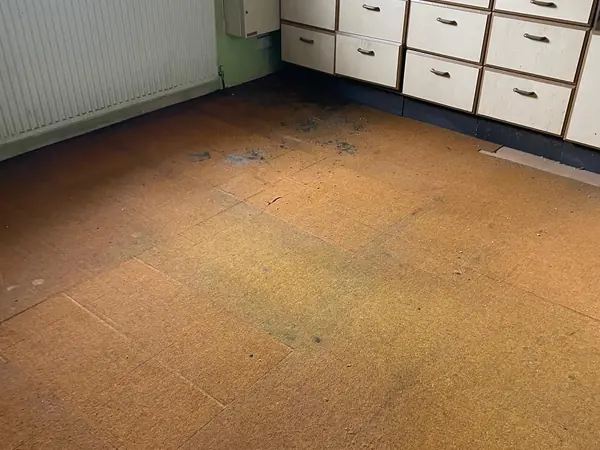
House clearance in Criccieth is mostly what you would expect of a small north Wales town under the edge of Snowdonia: bungalows up behind the green, terraces off the High Street with no drive. Houses that have stood shut since the last winter but one. Some of that work reaches us from families living here in LL52. A good deal of it comes from an office somewhere else entirely, dealing with a property nobody has stood in for months.
One clearance we handled was run exactly that way. A firm was looking after the place on the owner's behalf and everything was arranged by email. No meeting at the door, no walk round with anybody. They asked us to quote for a collection at one property, which turned out to be a part load. Then for a second property that took two collections in the same day. Afterwards somebody in that office queried our paperwork: they were not sure what it was for. Asked us to set it out plainly, which we did.
Then this came back, in the same flat, businesslike way the whole job had run: "Could you email a copy of the outstanding invoice?" We sent it through and it was settled. A fair share of clearances go like that now. Whoever pays never sees the house, and the whole thing lives in an inbox. That is fine by us, so long as somebody writes down what is to be left.
Criccieth sits neatly in the middle of our run along the Cambrian coast. LL52, Gwynedd, the castle up on its headland, the green behind the front. The railway line slipping past the back of the town between Porthmadog and Pwllheli.
Getting a Luton into a Criccieth street
Anyone who lives here already knows the awkward bits. Marine Terrace is fine for a car in February and a different proposition in August, when the visitors are parked nose to tail and the tide-side spaces have gone by nine in the morning. The High Street narrows where the shops start. Behind it there are terraces with no drive at all, a shared back lane. A gate about the width of a wheelbarrow.
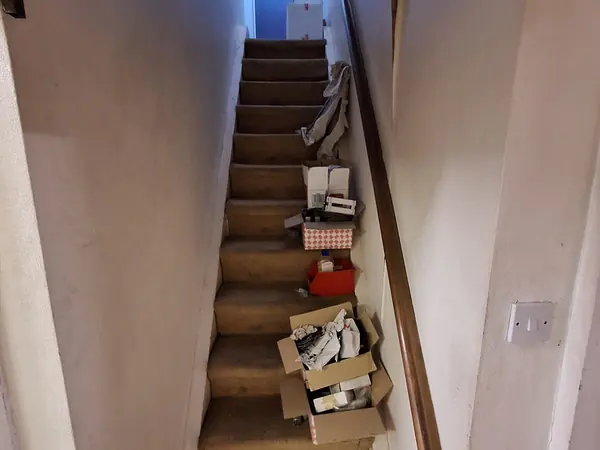
Flat clearance in Criccieth usually means one of the flats over the shops: a street door, a straight stair, no lift. A landing that turns tight at the top. Wardrobes come apart on that landing or they do not come down at all. Bungalows are the easy end of it, and there are plenty of them on the roads above the town.
So we ask about parking before we quote, not on the day. If the only workable spot is on a restriction, that has to be sorted with Cyngor Gwynedd in advance. We have had jobs elsewhere in Wales where the customer arranged a waiver for the whole working day so the team could sit legally outside the door, and it saved several hours of walking furniture to the van. If the lane behind is the only route, we would rather know in advance and bring the smaller vehicle. Carrying a three-piece suite two hundred yards is time nobody wants to spend.
Criccieth station is a short walk from the middle of town and the Cambrian Coast line stops here on the way to Pwllheli. Matters more than you would think. A fair number of the houses we clear on this coast belong to families who no longer live nearby. They come in by train for the day, hand over a key, and go back the same evening. That works. We photograph the property when the last load goes out and send the pictures with the paperwork. Nobody has to make a second journey to check.
Probate, executors and estates
A good share of our work in Gwynedd is probate work. It usually reaches us through the family rather than a firm. Probate house clearance in Criccieth is rarely urgent in the way an end of tenancy clearance is urgent, but it has its own timetable. That timetable belongs to the estate, not to us.
One clearance further along the coast was handled entirely by a solicitor acting for the estate. It was a single load, straightforward enough, apart from six upholstered pieces. A sofa, chairs and a tub chair with the foam still sound — which had to be handled under the rules covering persistent organic pollutants. Those items cannot go in with ordinary bulky waste. Since 2023 their foam and fabric have to be kept apart from the rest of the load and sent down a controlled route of their own. That is a legal requirement rather than a choice we make on the day.
The solicitor told us the estate had no cash in hand until a closed policy paid out. Is normal in probate and no trouble at all. We invoiced, waited, and the money came through. Executors are not being difficult when they say the funds are not released yet. It is just how estates run, and we work to that timetable.
That is worth saying plainly, because people ask. On estate work we invoice the solicitor, the executor or the estate directly. You do not have to put it on your own card and claim it back later. Payment can come out of the estate once funds are released. There is no deposit — nothing is asked for before the work. The invoice follows after the house is clear. If you want the detail, our probate house clearance page sets out how we handle estate work generally.
Another estate job, a three-bed with a garden that had got away from everyone, came to three loads: the house itself, then a second and third load on the same day, plus a full clean of the rooms afterwards and a tidy of the grounds. Two mattresses, and twenty tins of paint stacked in the shed. Paint is one of the things we cannot simply throw in the back with the wardrobes. Tins, aerosols, gas cylinders and anything similar go through a separate arrangement of their own, so it is worth mentioning the shed when you ring. During that clearance the team came across the house keys and a small amount of jewellery among the contents. Both were bagged, listed and sent back to the executor by special delivery. Anything that looks personal or valuable comes out of the load and goes back to whoever is dealing with the property. Photographs, letters, documents, medals, the lot.
What we take, what we leave, and what happens to it
Furniture, beds, white goods, carpets, lofts, sheds, garages, the greenhouse full of empty pots. Fridges and freezers are handled separately because of the gas. Televisions and monitors are electrical waste and go the electrical route.
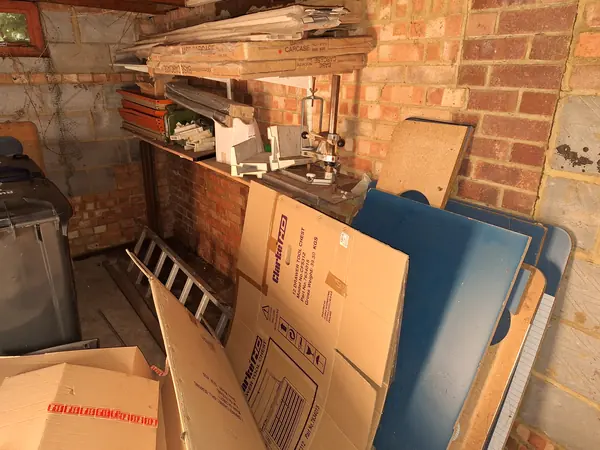
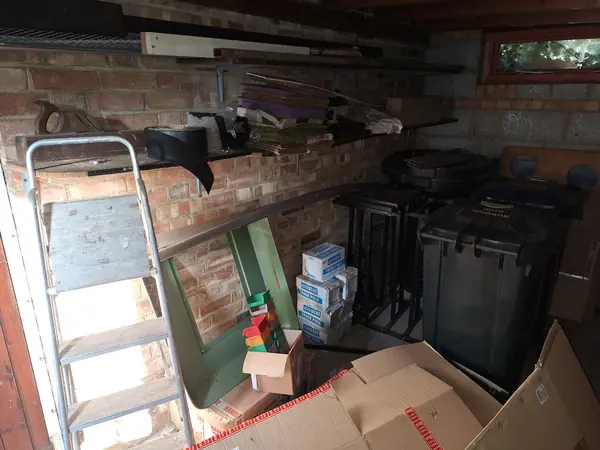
Garage and loft clearance is the part people leave off the list when they ring, and it is the part we most often get caught out by. A loft nobody has been up into since the seventies, a garage you cannot open the door of because a wardrobe is against it. Open both, count what is in them, and tell us before the day rather than at eleven o'clock on the morning.
We do not take fixtures and fittings off walls. On one clearance the lounge curtains could not come down without unbolting the whole track from the plaster, so the team left them and said why. Better a phone call than a repair bill and a damaged wall. The bathroom curtains on that same job were simply forgotten. When the customer pointed it out we said so plainly rather than pretending otherwise. If we get something wrong we would sooner tell you.
Whatever still has a use in it we try to move on rather than tip. Furniture in decent order, clothing, books, kitchen things — there are charity shops and reuse projects within reach of the LL postcodes that will take good stock. We would rather they had it. What is genuinely finished with goes to a permitted transfer station and is weighed and recorded there. We are a registered waste carrier with the Environment Agency, registration CBDU419679. You can look that number up yourself on their public register. Waste transfer notes are available for any clearance we carry out. Customers dealing with an estate often want them for the file, and they usually take a few working days to come back to us after the last load.
Getting a quote for house clearance in Criccieth
Not at the front door, and not by guessing. Tell us what is in the property — room by room, plus the loft, the garage and the shed — or send photographs through the form on this page. We come back with a quote and a date. It is free and there is nothing to commit to at that point.
If the team can see on arrival that there is a good deal more in the house than we were told about, they say so before anything goes in the van. You decide what happens from there. Nothing changes without a conversation first. On one clearance the customer decided to keep part of it back and deal with that themselves. Was entirely their call and no trouble to us.
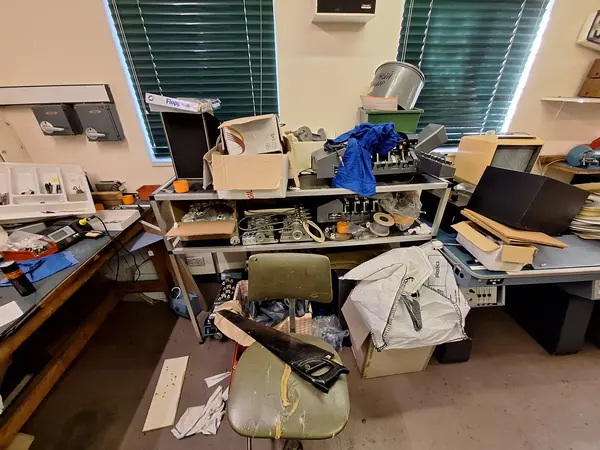
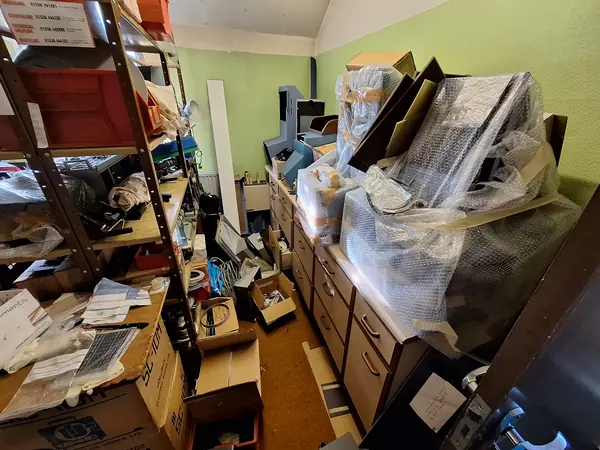
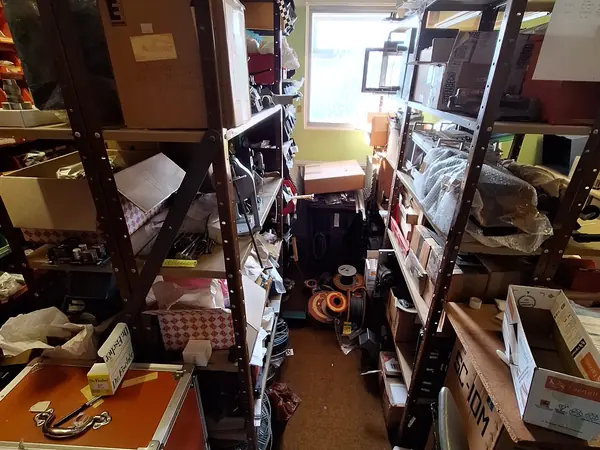
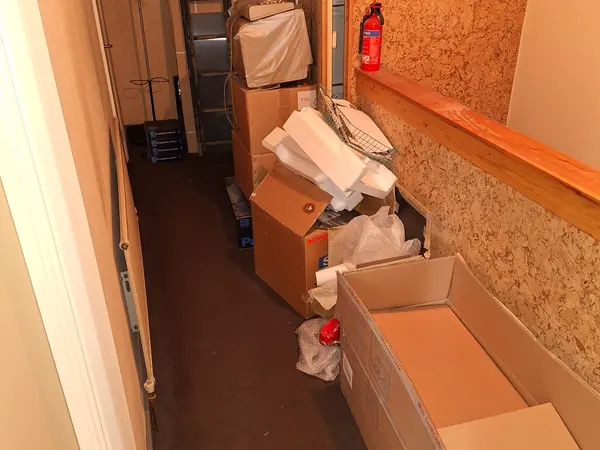
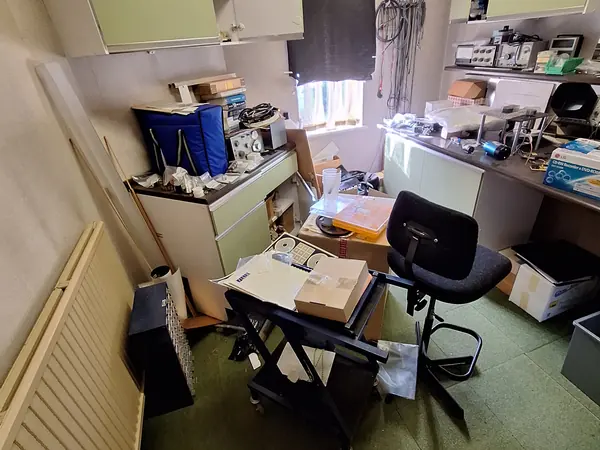
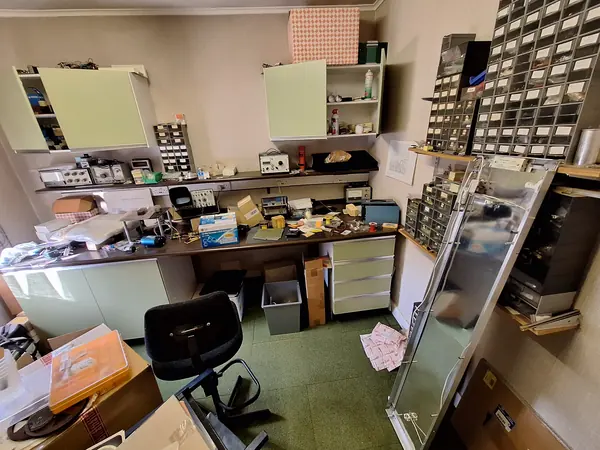
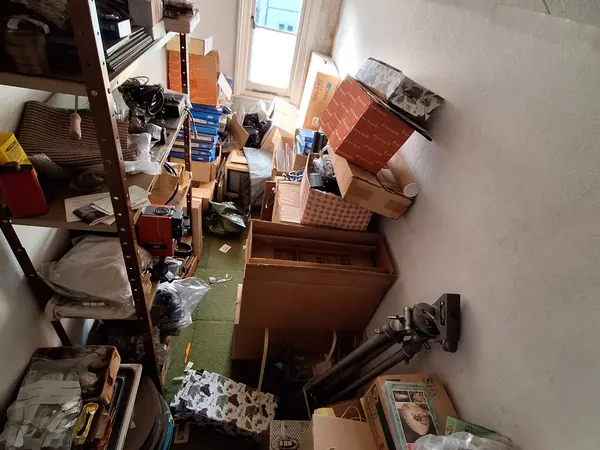
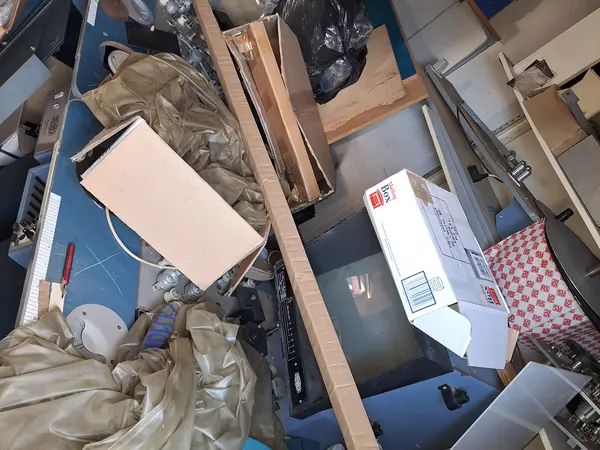
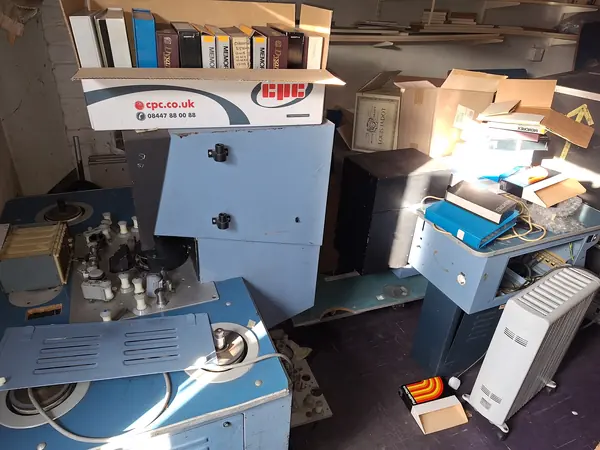
If a house has been filling up for years. Rooms you can only stand in the doorway of, a hallway down to a foot wide — say so when you book and we will send enough people and enough vehicles for it. Nobody on the team comments and nobody looks sideways at anyone. Houses that have gone that way are a large part of what we do, and they are simply a bigger job, not a worse one; there is more about hoarder house clearance on its own page.
Where the vans go
Llanystumdwy in LL52, Garndolbenmaen in LL51, Chwilog and the rest of the Llŷn in LL53, Porthmadog and Tremadog in LL49, Penrhyndeudraeth in LL48, Talsarnau and Harlech in LL47/LL46, and out to Pwllheli in LL53. North of that, Y Felinheli, and Caernarfon and Bangor beyond it. Inland to Blaenau Ffestiniog and across to Bala. South down the coast road through Harlech, Talsarnau, Llanbedr, Dyffryn Ardudwy, Talybont and Barmouth, then Dolgellau, Arthog, Fairbourne, Llwyngwril, Tywyn and Aberdovey.
Four of those have pages of their own, and they are the ones we most often pair with a day in Criccieth: house clearance in Bangor at the top of the county, house clearance in Caernarfon half an hour up the road, house clearance in Barmouth down the coast, and house clearance in Harlech between the two.
All of Gwynedd, in other words, and the coast either side of it.
Common questions about house clearance in Criccieth
Do you cover the villages as well as the town?
Yes. LL52 takes in Llanystumdwy and the roads out towards Chwilog and Garndolbenmaen. We treat all of it as one working area. A cottage up a farm track counts the same as a house on the front. We will ask what the last hundred yards of that track is like before the van sets off.
Can you invoice a solicitor or an executor on a probate clearance?
Yes, and we do it most weeks. The invoice goes to the solicitor, the executor or the estate directly. Payment can come from the estate once funds are released. There is no deposit, nothing is asked for up front, and the invoice follows after the house is clear. If the estate is waiting on a policy or on the grant itself, tell us and we will work to that.
How long does a house clearance in Criccieth take?
Most three-bed houses are a day. Two if the loft and garage are full, or if the only parking is round the back and everything has to be walked out. Flat clearance over a shop can be quick or slow depending entirely on the stair. We give you a realistic day when we quote. If it is going to run over we say so on the morning rather than at four o'clock.
What will you not take away?
Fixtures and fittings that have to come off the wall, anything structural. Hazardous material we are not licensed to carry. Paint, aerosols and gas cylinders go through a separate arrangement, so mention the shed. Fridges, freezers, mattresses, televisions and upholstered furniture all have their own legal handling route. We take them, they just do not travel in with the rest.
Can we have a waste transfer note?
Yes, for any clearance we carry out. Executors and solicitors usually want one for the file. Our waste carrier registration with the Environment Agency is CBDU419679 and it is on their public register for anyone to check.
Getting it in the diary
Ring 0800 046 5555 or use the form on this page with the address, the size of the property, whether the loft, shed and garage are included, and anything you want left behind. Tell us about access and parking and about anything heavy or awkward. A piano on the ground floor, a stairlift, a freezer in an outbuilding. We will come back with a quote and a date. The team is fully insured, the vehicles are licensed for the waste they carry, we have been doing this since 2007. No money is asked for up front.