Six sofas and armchairs out of an estate house in the Vale of Clwyd, on a July morning. Along with a mattress, a couple of smaller upholstered bits, and enough boxed-up household stuff to fill the van once. It was an estate job, and in that respect a fairly ordinary house clearance in Denbigh. The instructions came from the solicitor handling the estate rather than from family, and the invoice went the same way. It didn't get settled straight off, either. The estate was waiting on money from a closed policy and the office told us so plainly. We'd far rather hear than silence.
When the funds came through they wrote to say payment was on its way and could take three to five working days to clear. That's normal on probate work and nobody minds. The house itself was the sort you get all over this part of Denbighshire. A modern-ish place in a small close on the edge of a village, easy enough to reach once you're off the main road, tight enough at the turning circle that the driver reversed in rather than tried to swing round at the end.
That job is worth explaining properly, because the upholstery in it tells you something about how a house clearance is handled now.
Since the rules changed, anything padded — a sofa, an armchair, a padded dining chair, a sofa bed — is treated as containing persistent organic pollutants in its foam and its fabric. It's kept apart on the vehicle and sent down a controlled route with its own paperwork. Six seats on that one load, plus two smaller items and one larger. People sometimes assume a firm is making work for itself when the soft furnishings come off separately. We aren't — it's a legal handling route, and if somebody tells you a full lounge suite goes on the van with the rest of it, ask them where the soft furnishings are going.
Getting a van into the town
Denbigh has no railway station and hasn't had one since the Vale of Clwyd line shut. If you're coming to meet us and you haven't a car, the nearest usable rail is Rhyl on the North Wales coast line. Prestatyn a few minutes further along, then bus or taxi inland down the A525. Our teams drive, so that only matters to executors travelling in from elsewhere. And a fair number do, because plenty of the houses we empty here belong to people whose children moved to Chester, Manchester or further.
The town itself is on a hill. That's the practical bit. Vale Street is steep and wide at the top, the lanes off it and the terraces below the castle are neither. A Luton box van doesn't turn where a car does. If your property is up in the old part of town near the castle walls, tell us on the phone and tell us honestly. How far the nearest place a van can stand is from the front door, whether there's a shared back lane, whether the pavement's on a slope.
It changes how long the day runs and it's better dealt with in advance than at half past nine with the team stood in the road. Out in the villages around — Henllan, Llandyrnog, Trefnant, Bodfari, up the lanes towards Nantglyn — the problem flips. Access is fine, but the properties are bigger, with outbuildings, and a "three-bed" turns out to include a stone barn that's been the family's storage since the sixties.
What we clear, and where it ends up
Furniture, white goods, beds, carpets when you want them up, lofts, sheds, garages, the greenhouse full of pots. Fridges and freezers are handled under the gas-removal rules and go their own route. Televisions and monitors too, and the old deep-backed sets more than the flat ones.
Anything still usable, we'd sooner see it used again. A decent wardrobe, unopened kitchenware, books, tools — and there's no shortage of charity shops and reuse projects between here, Ruthin and St Asaph glad of them. What's left is weighed in at a licensed transfer station and comes back to you as a waste transfer note if you want one; several customers have asked for one at the end of the job and it's never a problem. Our carrier registration is CBDU419679 and it's a real number you can look up.
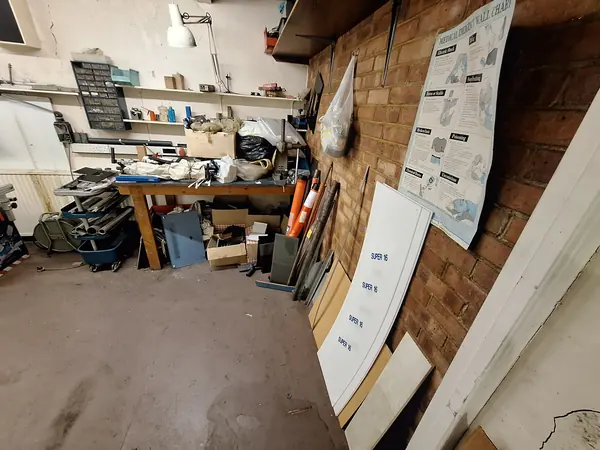
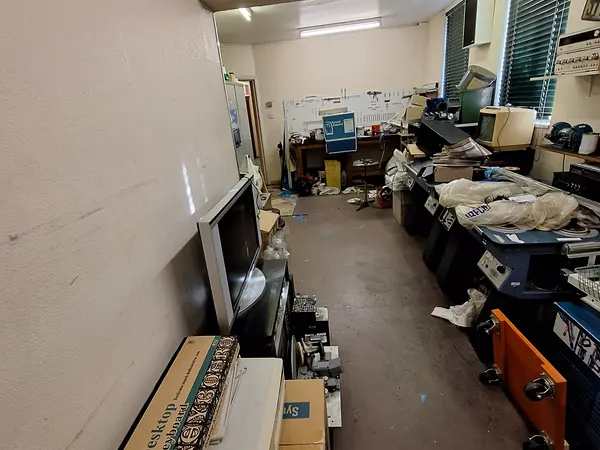
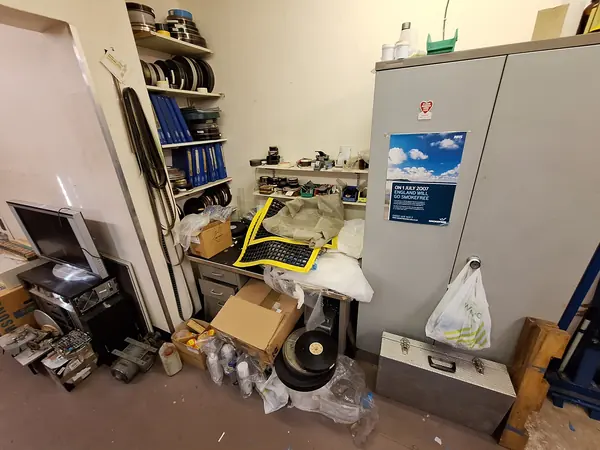
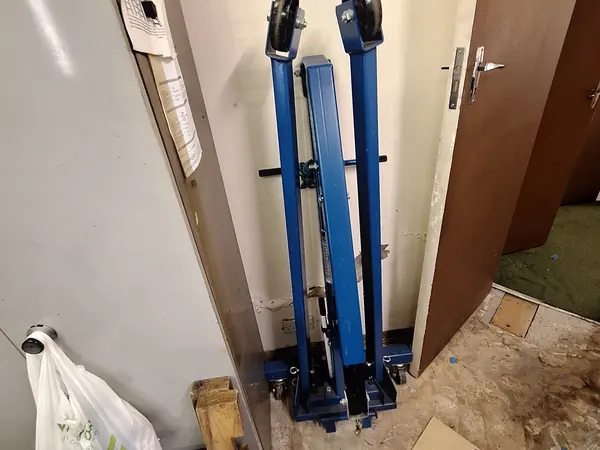
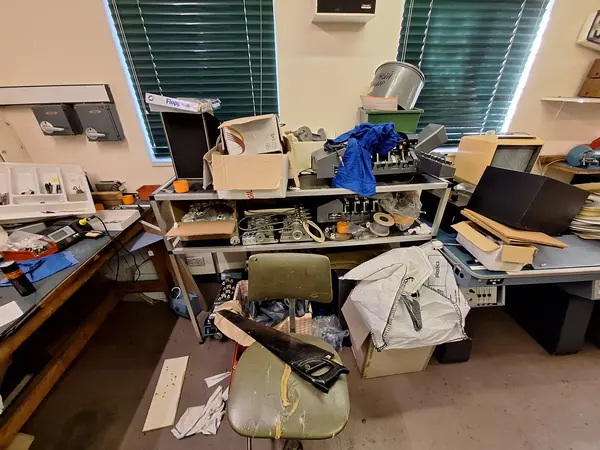
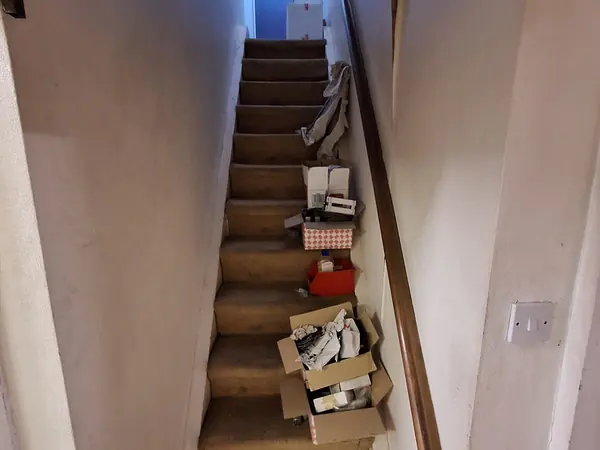
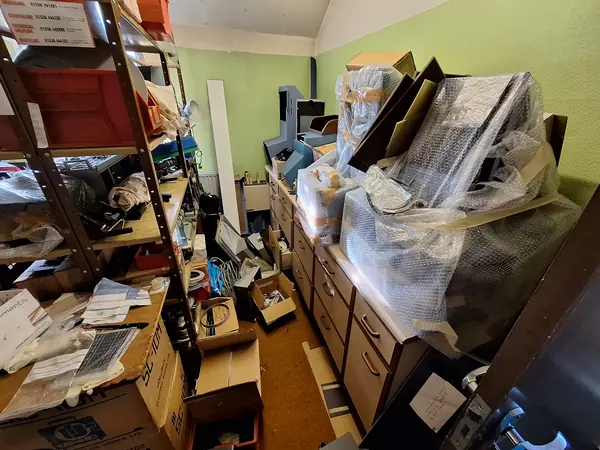
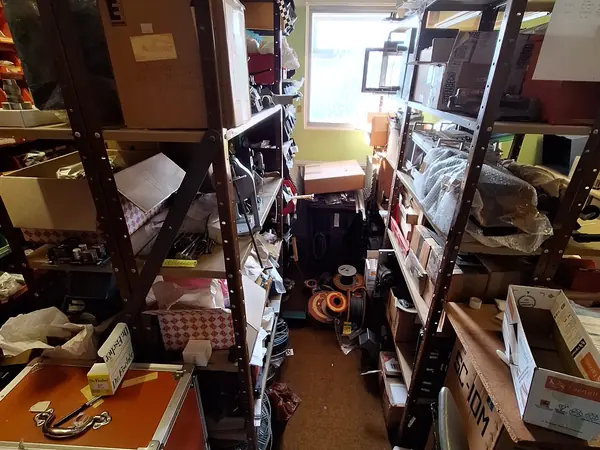
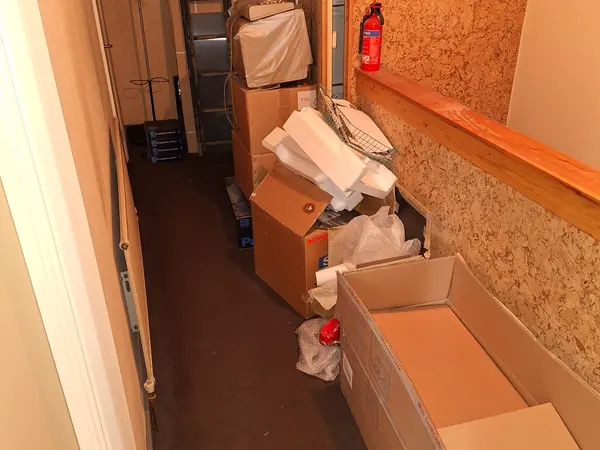
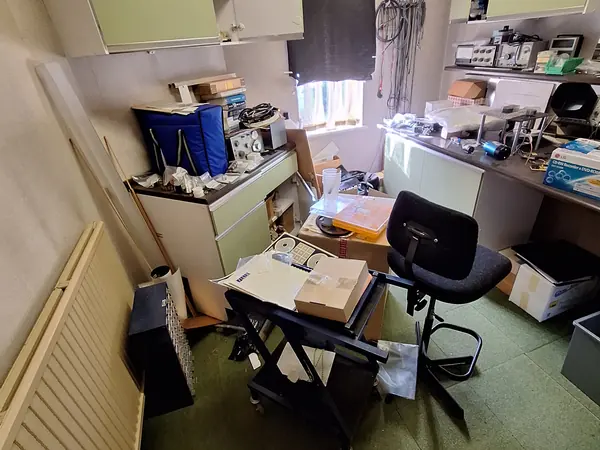
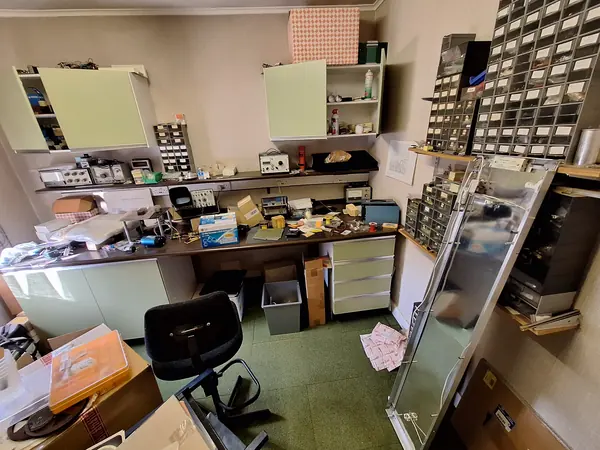
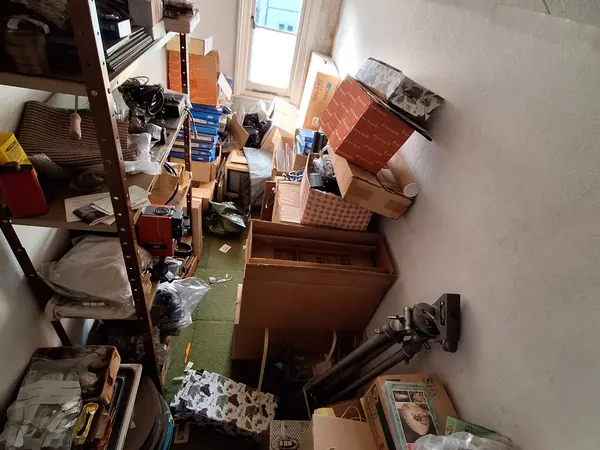
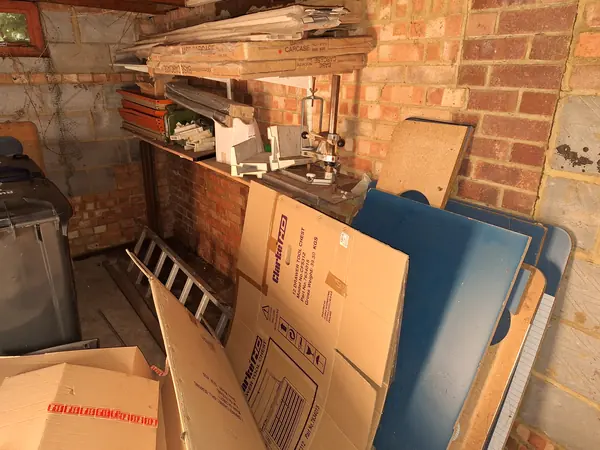
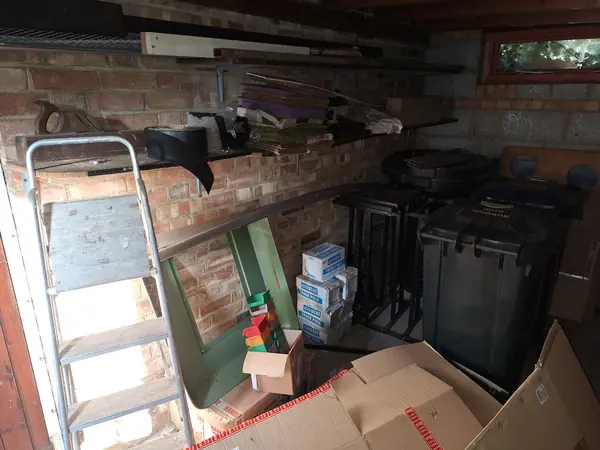
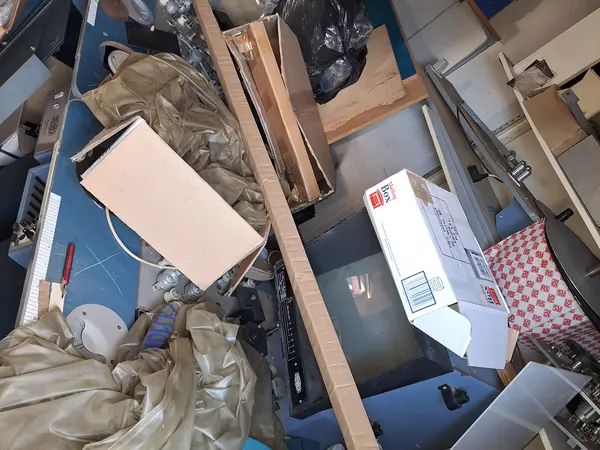
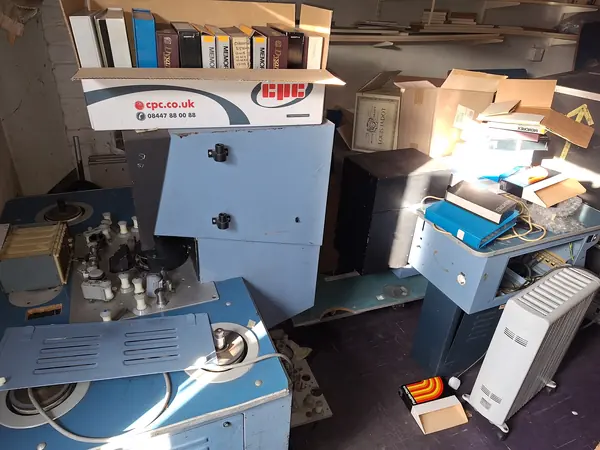
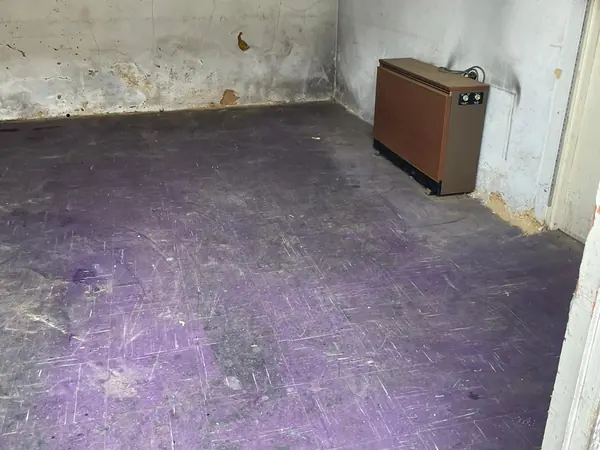
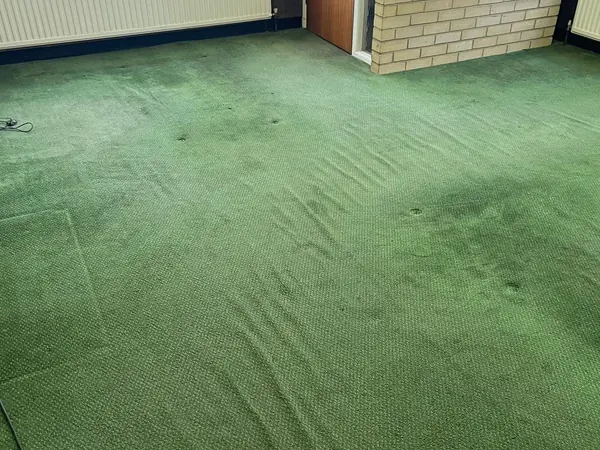
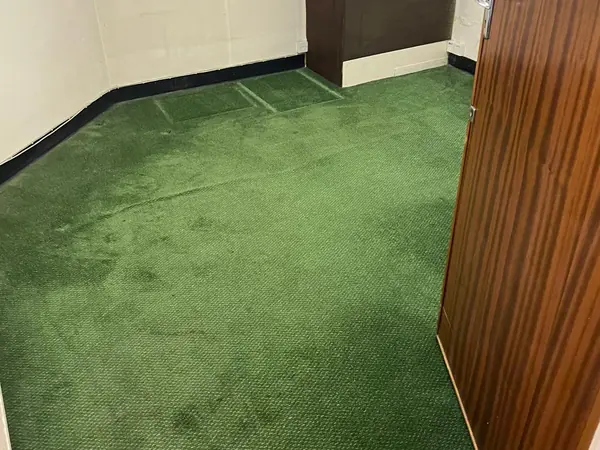
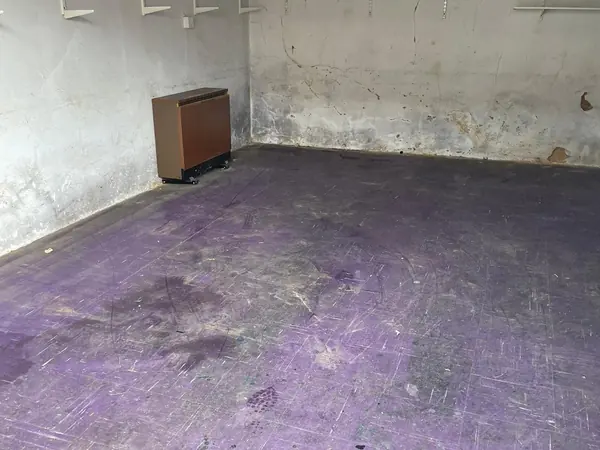
Not everything we're asked to shift is furniture, either. One customer got in touch about a sub-basement that had been quietly filling up while building work went on above it, and rather than try to describe it down the phone he sent photographs. A general view of the space first, then the detail: rotting wooden planks with nails still in them and bags of rubbish beside them, bricks and tiles off the builders, and more builders' debris with a couple of bags of garden waste stacked against it. Asked what was actually down there, the answer came back plainly: "Mostly building materials, planks of wood and some garden waste.
Possibly an old bicycle." And in another message, the same afterthought again — "There might also be an old bicycle too…" — which is a more useful description than most people manage, because timber full of nails, rubble and green waste don't travel together and don't finish up in the same place. The rubble goes as inert waste, the garden bags go for composting. The planks are handled as they are: nails turned up, gloves on, nobody swinging a board about in a confined space. The collection went in for the first Friday of November.
We gave an hour-long arrival window the evening before and the driver rang half an hour ahead on the morning. Is how we do it everywhere.
There are things the team won't put on the van. Paint is the common one — half-used tins in a garage go through a specific disposal route rather than into a general load. On one estate house we cleared there were twenty of them behind the shed door. Gas cylinders, solvents, asbestos sheeting off an old lean-to: those need a specialist and we'll tell you so on the phone rather than turn up and refuse.
Estates, executors and the awkward jobs
A good part of our Denbighshire work is one sort of estate job or another. The rest divides up fairly predictably. What follows is what people actually ring about.
Probate house clearance Denbigh: who we invoice
Most probate work here reaches us second-hand — the solicitor rings, or an executor two counties away does. Neither of them has seen the inside of the house lately. We invoice the solicitor, the executor or the estate directly. Payment can come out of the estate rather than anybody's own pocket. There's no deposit; the invoice follows the work. If probate hasn't been granted yet and the bill has to sit a while, it sits. The July job above waited on a closed policy and that was fine by us. The estimate is free and doesn't oblige you to book anything. There's more on how we handle probate house clearance on its own page.
Executors at a distance need two things from us and it's usually the same two: the keys back safely. To be told about anything that looks like it matters. If the team turns up a spare set of keys during the day they go back sealed, and jewellery, documents, photographs and medals stop where they are and go to the executor. That happens more often than you'd think. Instructions run the other way as well. Curtains are the classic: two runs came down on one job and a third stayed up. Taking it off would have meant pulling the mechanism out of the wall, and we don't leave holes in a house that's about to be sold. Tell us what's staying and it goes on the job sheet.
Hoarder house clearance Denbigh
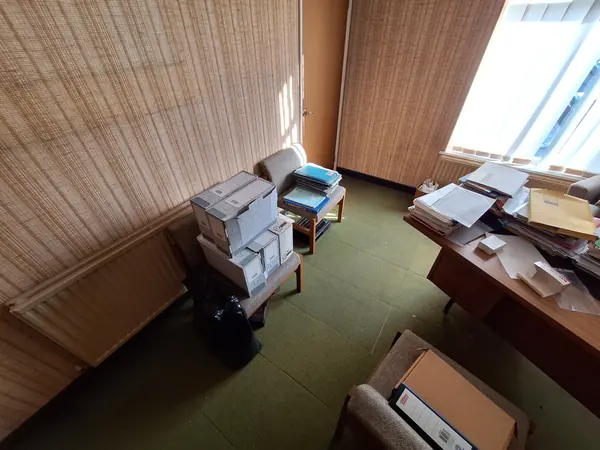
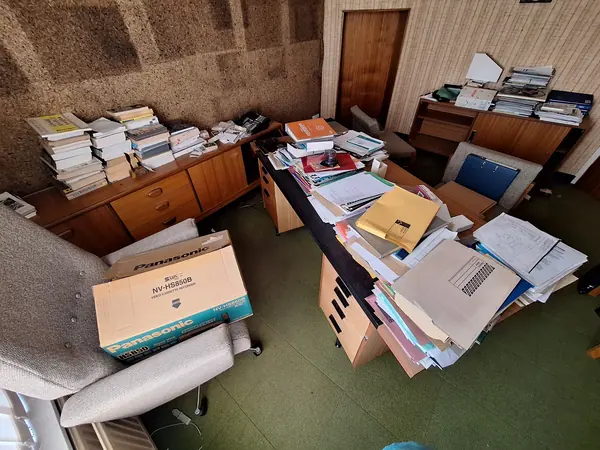
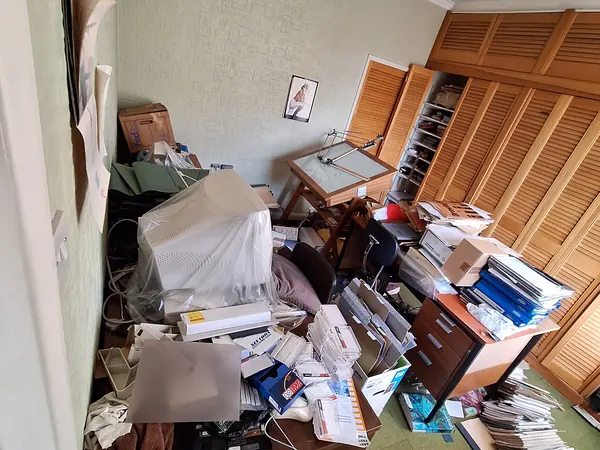
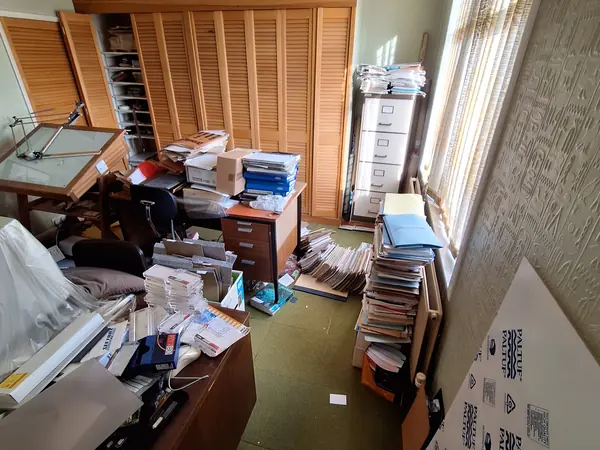
Heavily overfilled houses we deal with as a matter of course, without a lecture and without a raised eyebrow at the door. A hoarder house clearance is a different day's work from a normal one: two teams rather than one, protective kit, masks where the dust warrants it, and floors that have to be found before anything can be carried across them. Two days is common, with a full load out on each. The waste is classified differently and much of it can't be sorted for reuse on site. What we won't do is turn up, take one look and drive off. If there's something in the house we can't handle on our own, a pest problem for instance, we say so before the day and sort it in the right order. It helps if a relative can be there for the first hour. On that kind of job the decisions come thick and fast.
Flat clearance in LL16
Flat clearance in LL16 usually means one of two things. Either a flat above a shop in the town centre, where the only way in is a stair door straight off the pavement, the staircase turns twice and there's nowhere legal to stand a van for long; or a one-bedroom place in a sheltered scheme, where the parking is fine but there's a warden's schedule, a lift the size of a phone box and neighbours who'd rather not have a wardrobe stood outside their door for an hour. Both are perfectly doable. Both want a bit of planning, and both go better if we know which one we're coming to before the van is loaded for the day.
Garage and loft clearance in Denbigh
Garage and loft clearance in Denbigh often comes with no house clearance attached to it at all. Somebody is selling, the survey has been done, and the loft has to be empty by the end of the month. Lofts are two-person work: one at the hatch passing down, one on the ladder. If it's boarded it's quicker; if it isn't, it's slower, and we'd rather say that than promise otherwise. Garages out in the villages are the ones that surprise people. A single up-and-over door that hasn't been lifted since about 2009, and behind it a mower, four bicycles, a chest freezer that stopped working years ago and the tins of paint mentioned above.
How far we run from here
Denbigh sits in LL16, and the same run takes in Ruthin in LL15, St Asaph in LL17, Rhyl in LL18, Prestatyn in LL19, and over into the Dee valley. Corwen in LL21 and Llangollen in LL20. If you're on the coast rather than in the vale, there are separate pages for house clearance in Rhyl, house clearance in Prestatyn and house clearance in Colwyn Bay, which is the biggest of the three and the one most people look for first. Denbighshire County Council runs the household recycling centre for the town on the industrial estate at the edge of it. Is fine for a car boot of cardboard and no use at all when a whole house has to come out in a day.
What it costs and how to find out
The only honest answer to "what will it cost" is that we need to see it first. Ring 0800 046 5555 with the postcode, the size of the property, whether there's a loft, garage or shed in it, where a van can stand and what's staying behind. Or send photographs through the form on this page. The sub-basement job above was worked out off four pictures and a paragraph. That really is the fastest route to a proper answer rather than a vague range. The estimate is free and commits you to nothing. On estate work we invoice the solicitor, the executor or the estate direct, payment can come from the estate. There's no deposit to find up front.
One last thing on estimates: we'll tell you straight that nothing can be judged completely until things start moving. Houses have rooms nobody mentioned, and lofts have more in them than anybody remembers.
Common questions about house clearance in Denbigh
Can you invoice the solicitor or the executor rather than me? Yes. That's how most probate house clearance in Denbigh is handled. We invoice the solicitor, the executor or the estate directly, payment can come out of the estate, and there's no deposit. The invoice follows the work, and if it has to wait on probate, it waits.
Do you cover the villages as well as the town? Yes. Henllan, Llandyrnog, Trefnant, Bodfari and the lanes up towards Nantglyn are all part of the same day's run as Denbigh itself. We're over in Ruthin, St Asaph, Rhyl and Prestatyn regularly.
How long does a three-bedroom house take? Most go in a day. A full loft, a stone barn or a hoarded property will push it to two. We'd say so at the estimate stage rather than at four in the afternoon on the day.
Will I get proof the waste was disposed of properly? Yes, if you ask. What we take is weighed in at a licensed transfer station and you can have a waste transfer note for it. Our waste carrier registration is CBDU419679 and it can be checked on the public register.
Is there anything you won't take? Paint, gas cylinders, solvents and asbestos. Fridges, freezers, televisions, monitors and anything upholstered all go on regulated routes rather than into a general load. Is why we ask about them before the day rather than on the doorstep.
Do I have to be there on the day? No. Plenty of executors can't be, and never see the house at all. We can work from a key safe or a collected key, send the keys back by recorded post afterwards, and tell you what came out.
If you want a house clearance in Denbigh looked at properly, ring 0800 046 5555 or send the photographs through the form on this page. We've been at this since 2007, and the first question we'll ask you is where the van can stand.