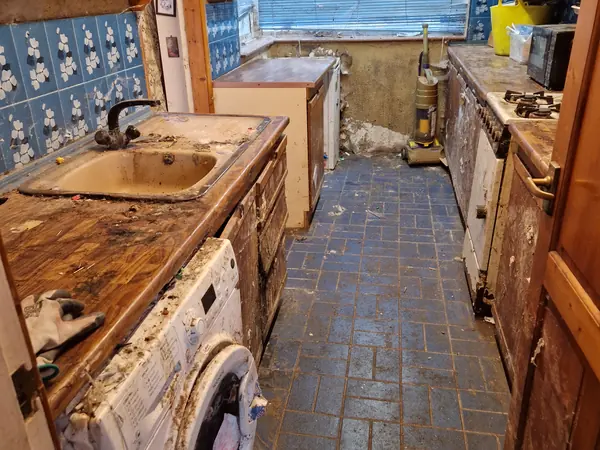
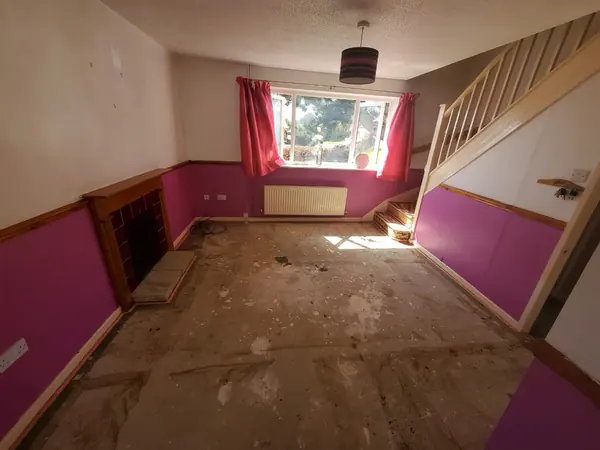
One of our Yeovil clearances was paid for by an estate rather than by a person. The work was done, the invoice went out at the end of November, and then nothing happened for a fortnight. In early December the residential property team at a solicitors' practice in the middle of town confirmed the payment had been sent. They asked us to check it had landed. That is how a fair share of house clearance in Yeovil actually gets settled.
The executor has none of their own money tied up in the house, the sale hasn't completed yet, and the bill waits on the legal side. It doesn't bother us. We invoice whoever the executor tells us to invoice — the solicitor handling probate, the executor themselves, or the estate directly — and the payment can come out of the estate once probate has been granted and the funds are released. There is no deposit. We clear the property first and the invoice follows.
Two houses in two days, and the bikes we left alone
A better illustration of what the day looks like came from a pair of properties cleared on consecutive days at the end of January. The client was a housing charity that resettles people into ordinary tenancies, so we were dealing with a deputy manager rather than a family. Both were full houses. Both had the same wrinkle: things on site that belonged to other people.
At the first address there was a row of bikes in the alley down the side. On a normal clearance they'd have gone straight in the van as scrap. Our team leader had a word with a neighbour first, found out the alley was communal and the bikes belonged to households up the row, and left every one of them where it stood. The rubbish that had piled up around them went. The bikes didn't.
We didn't get everything right. A Hetty vacuum belonging to the cleaners had been marked to be left and was loaded anyway, and we had to go back through the loads to sort that out. We'd rather that than a five-star review and a quiet grudge about a hoover. If something in your house is marked to stay, tell the team leader at nine o'clock as well as writing it on the label — labels get knocked off in the dark of a landing.
When the sorting is already done
Not every job is chaos. A four-bedroom house had been half moved out before we arrived, so what remained would have filled maybe three bedrooms, with just over half of it in the house and the rest stacked in the garage. Every room that wasn't to be touched had been marked up, the good things were in boxes and the rubbish was in bags, and the customer had gone to the trouble of telling us in advance: "I have boxed good and bagged rubbish if you would prefer to sort and repack that's fine by me."
Same thing happens on Yeovil clearances where the family has had a few weekends to get ahead of it. That preparation shortens a day considerably, though it isn't required — nobody needs to bag anything before we come. The crew empty wardrobes, drawers and cupboards themselves, lift carpets and underlay if you want them gone, and sweep through at the end. What that job did need was a second van, because the pass-on items and the genuine rubbish had to travel separately. There was no Wi-Fi at the property either, which sounds trivial until you realise the invoice can't be opened on a phone in an empty house. We dealt with that afterwards.
One load, a mattress, and a clean at the end
Not every clearance runs to two days and a return visit. In March 2024 we took on a house that came out in a single load — one van, one crew, one day, everything from the rooms down to the bits at the back of the cupboards. The only thing that had to be handled apart from the rest was a mattress. Mattresses don't travel with general household waste, and they don't go through the same route at the transfer station. It was listed on its own and moved on its own. Worth knowing before you drag one down the stairs the night before.
What made that job slightly different was what happened once the rooms were empty. The customer wanted the property cleaned as well, not just emptied, so the clean followed straight on from the clearance — floors, kitchen, bathroom, the marks that only show up when the furniture has gone. Plenty of people ask for that and then decide against it; the ones who go ahead are usually the ones handing keys back to somebody, an agent or a buyer, who will walk through with a checklist. If you want the clean, say so when you ring rather than on the morning, because it changes how the day is planned and who is on the van.
Access on a Yeovil house clearance: gates, and nosey neighbours
Yeovil is not a flat town and it wasn't built for Luton vans. The Victorian terraces up towards Hendford Hill and along the Sherborne Road end have no off-street parking at all, so the van sits on the road and the crew walk it. The post-war semis around Penn Hill, Preston Grove and Larkhill are easier — a driveway, a side gate, a garage that opens. Flat clearance in the blocks nearer the centre is a different problem again: a shared entrance, a lift that may or may not be big enough, and a bin store that is nothing to do with us. Out in the villages the problem flips: a good drive but a gateway built for a Morris.
We had one job on a rural plot where the drive was so tight that emergency vehicles hadn't been able to get on it, and the family's measure of whether we'd manage was whether their own car cleared the gate. It did, and so did we, though the crew were told straight out that there was no working toilet on site and the nearest facilities were a walk into town.
The other memorable part was a neighbour who kept opening the gate to see what was going on. The crew sent him back down the lane, and afterwards the customer wrote: "well done to the team for turning the 'nosey' neighbour away - I know EXACTLY who he is and he is interfering and should not be setting foot over the gate!" Fair enough. Access details like these are worth two minutes on the phone before we quote for a house clearance Yeovil side of the county — a suspended bay, a locked shared drive, a key safe with a stiff door handle.
Where we go from Yeovil, and the districts we cover
Yeovil sits in the south of Somerset with the Dorset border a few miles down the road. Our own districts are three. BA20 is the centre and the south of the town, BA21 the north side and Mudford. BA22 is the widest of them: Yeovil west, East Coker and West Coker, Ilchester, Sparkford, Marston Magna, Halstock, Stoford and Clifton Maybank.
Beyond those the next towns have pages of their own — house clearance in Ilminster and house clearance in Chard to the west, and house clearance in Shepton Mallet north up the A37. For anything the far side of the county line, house clearance in Salisbury is the bigger town we work from that direction. Bigger jobs further north go out on the same runs as our Bristol work, and we come across the county line into east Somerset too. The town has two stations pulling in opposite directions. Yeovil Junction sits out at Stoford on the Waterloo to Exeter line, and Yeovil Pen Mill is on the Bristol to Weymouth route. Executors coming in for a clearance often arrive at one of those rather than driving. Somerset Council runs the waste side now that the old South Somerset district has gone, and its rules on bulky items are worth knowing if you're thinking of doing it yourself.
Distance is the usual reason people ring us at all. An executor in Leeds or Aberdeen cannot spend three weekends emptying a bungalow in BA21, and a probate sale doesn't wait. We can work from a key held by an agent or a neighbour, send photographs of anything the crew are unsure about, and phone before a single box of paperwork leaves the house.
What happens to a Yeovil house clearance load
If a thing still works, it shouldn't be crushed. Furniture in decent order, clothing, crockery, books and tools go to a charity shop or a reuse scheme locally where one will take them. Whatever is genuinely finished goes to a permitted transfer station, and a transfer note is raised for every load — ask and we'll email you copies, as customers dealing with a probate estate often do.
Two categories travel differently. Sofas, armchairs and padded seating: the regulations no longer allow that foam to go through general waste, so it has to be incinerated at a permitted plant, and it is booked in as a separate item rather than tipped with the rest. And half-used tins of paint, patio gas cylinders, old garden chemicals and the like can't ride in with everything else — there's a separate route for them, and we'll tell you about it before the day rather than on the doorstep. We're insured, and our waste carrier registration with the Environment Agency is CBDU419679.
Booking a house clearance in Yeovil, and the full ones
On cost we say one thing: ring the office, or send photographs of the rooms, and you'll get a figure. Describe it honestly: what's in the loft, whether the garage door still opens, how many wardrobes there are. The garage and loft are where a day is usually won or lost. A two-bed terrace with an empty loft is not the same job as a bungalow with a packed garage, even though both look like three rooms on paper. If the day proves bigger than the description, the team leader tells you before anything more is loaded, not once the van has gone.
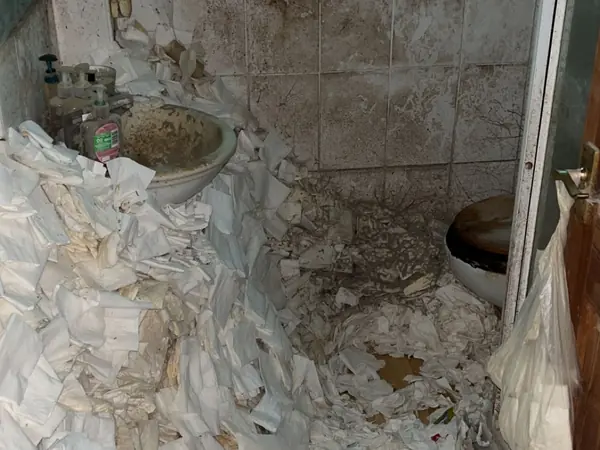
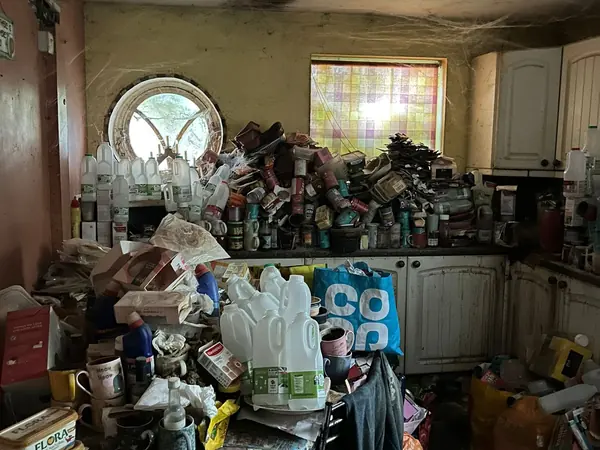
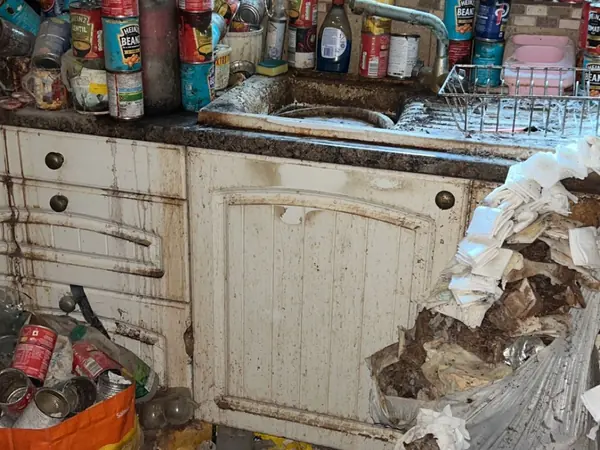
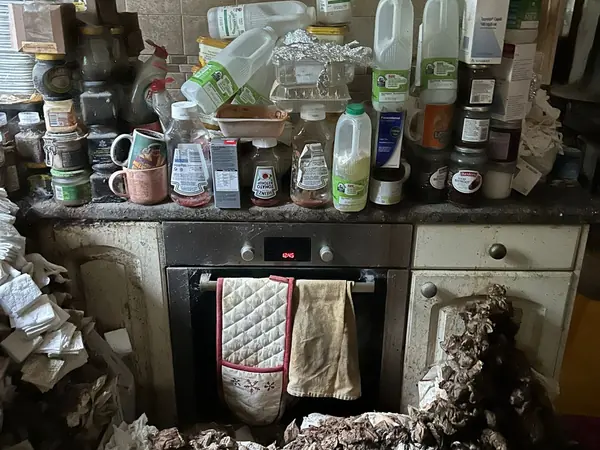
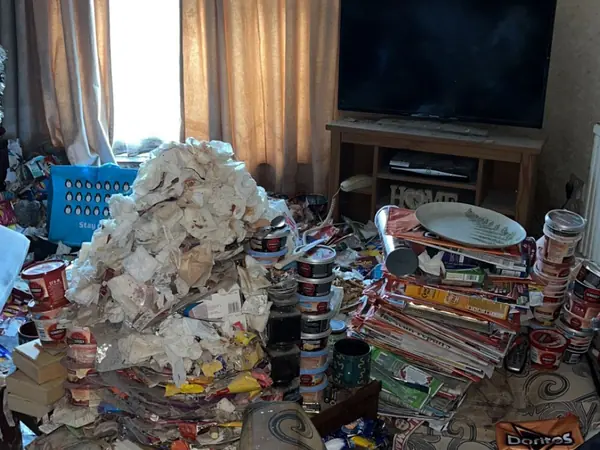
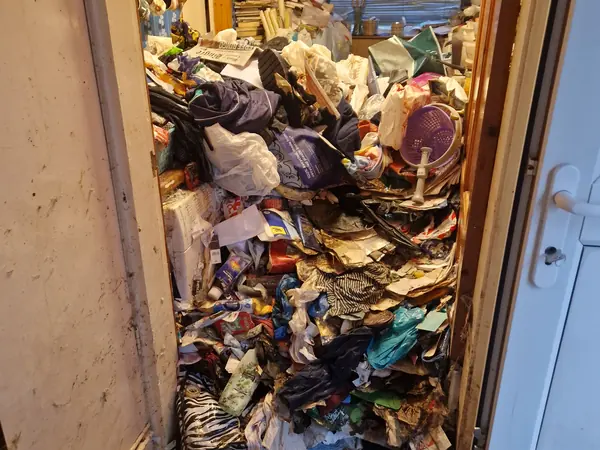
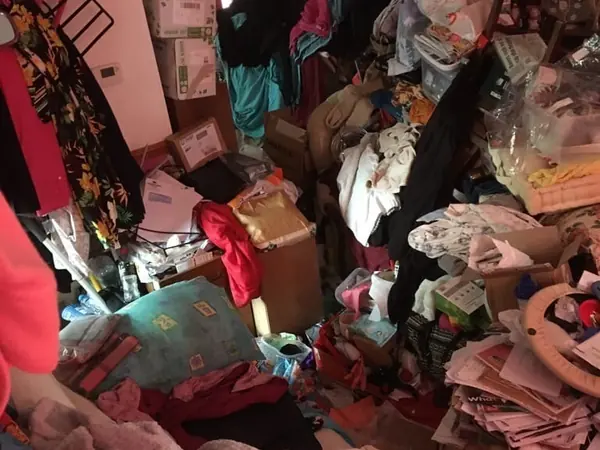
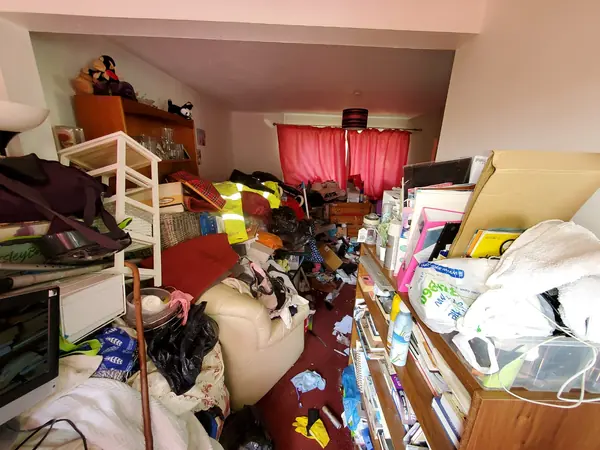
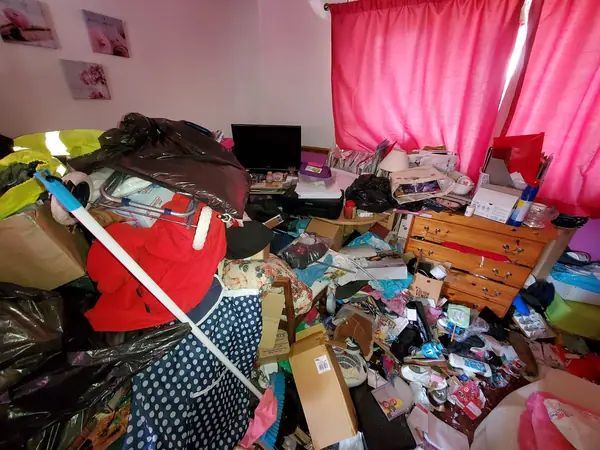
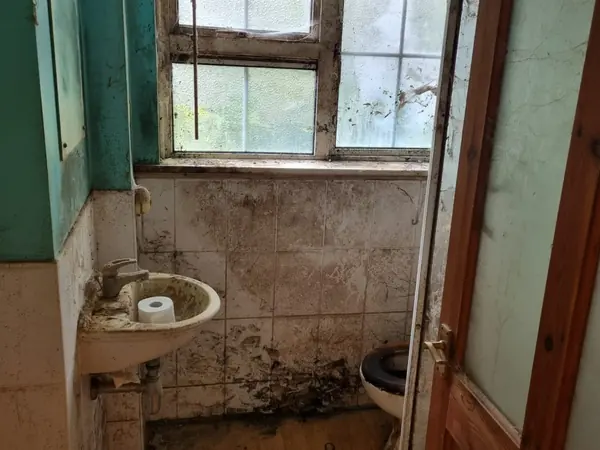
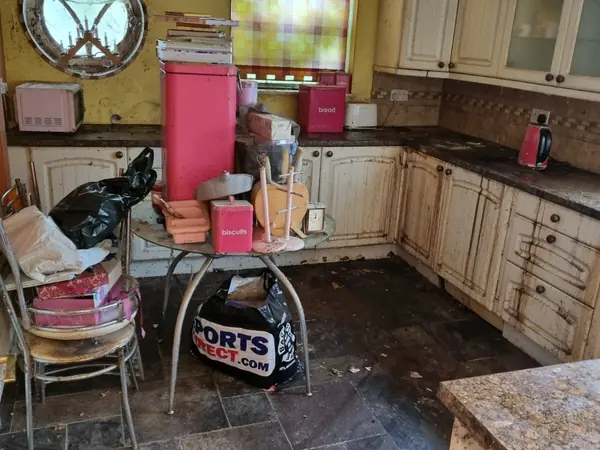
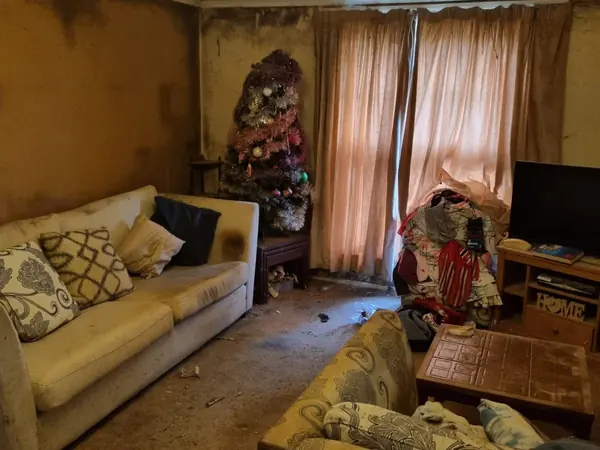
Properties that have filled up over decades don't put us off. The crew have cleared full houses before and they get on with it quietly. If paperwork, jewellery or old photographs turn up in the middle of it, they come out and go on the side for you. Ring the office on 0800 046 5555 with the address and the room list, and we'll tell you what day we can be in Yeovil.
Questions we get asked about house clearance in Yeovil
Do you do probate house clearance if the executor lives at the other end of the country? Most weeks. It is the commonest reason for a house clearance Yeovil families ask us about — the person dealing with probate is two hundred miles away and can't keep coming back. We take instructions by phone and email, work from a key, and photograph anything that looks like it matters before it moves.
Who gets the invoice? Whoever you tell us. The solicitor acting on the probate, the executor, the attorney under a power of attorney, or the estate itself. Payment can come out of the estate rather than your own pocket, and we ask for no deposit before the work.
Can you do an end of tenancy clearance to a deadline? Yes, and dates matter more than usual on those. If a landlord or agent needs the property empty and the keys back by a fixed morning, say so when you ring, because we plan the van and the crew around it. Flat clearance to an end of tenancy date is worth booking early — lifts and loading bays often have to be arranged with the building.
Do I have to empty the wardrobes first? No. The crew do the emptying. If you want to go through things first that is entirely fine, and if you'd rather not set foot in the house at all, that is fine too.
What about the garage and loft? Both are part of the job if you want them to be. Tell us on the phone whether the loft is boarded and whether the garage door still lifts — those two answers change the shape of the day more than anything inside the house.
How much notice do you need? Usually a few days for house clearance in Yeovil itself, sometimes sooner if a crew is already out on the BA runs. A completion date or a court deadline moves you up the list, so mention it.
Do you take mattresses and sofas? Yes, both, but they go separately from the general load and are handled through their own route, so tell us how many there are when you describe the rooms.
Are you licensed? We've been clearing houses since 2007, we're insured, and our upper-tier waste carrier registration is CBDU419679. Ask for it in writing and you'll get it, along with the transfer notes for every load that leaves your Yeovil property.