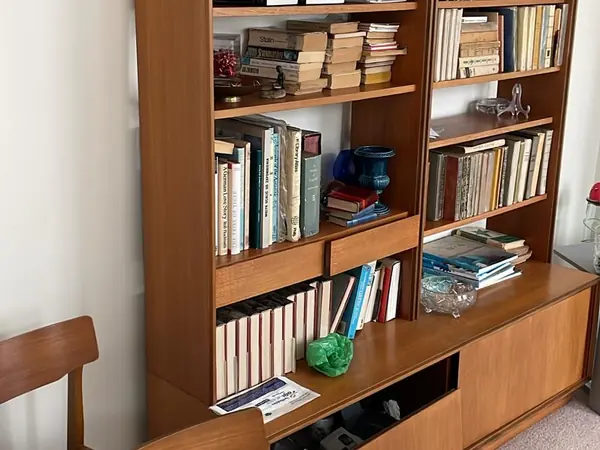
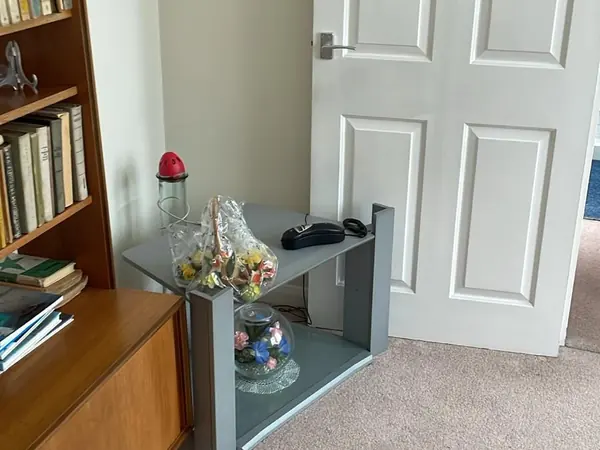
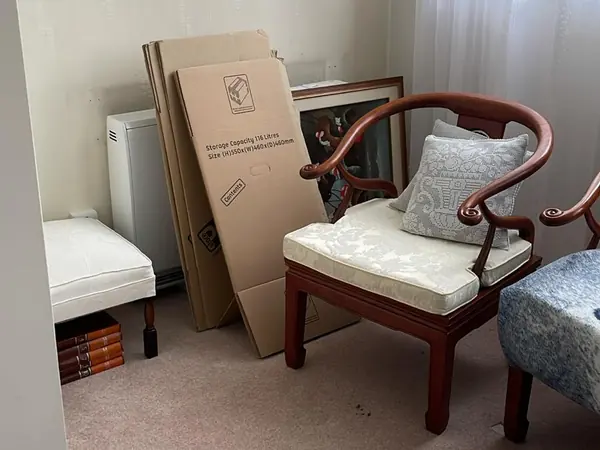
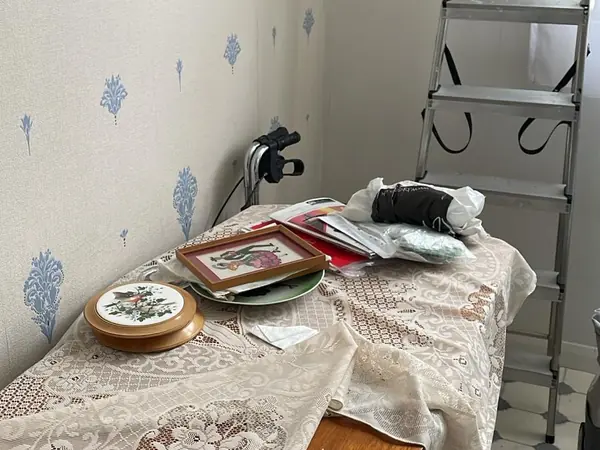
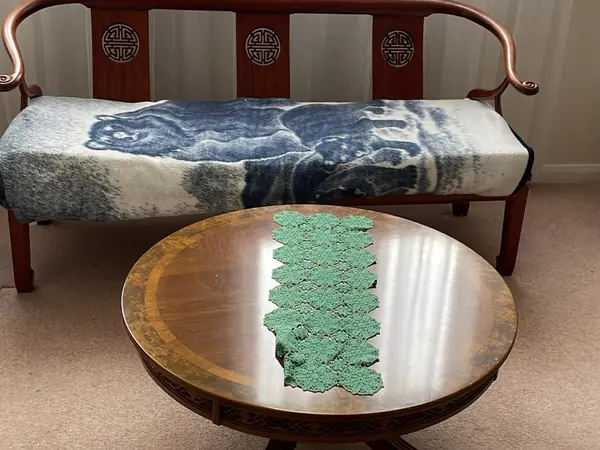
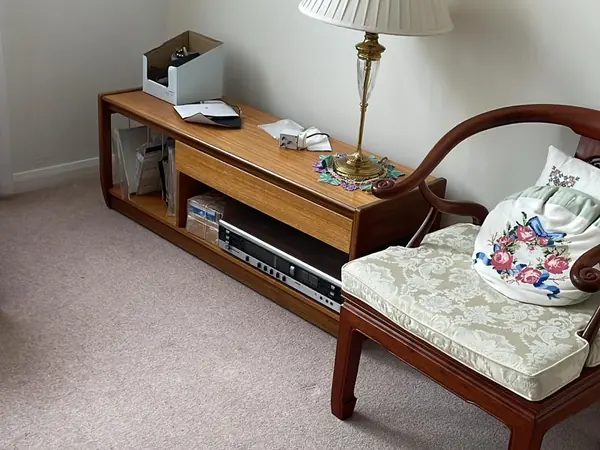
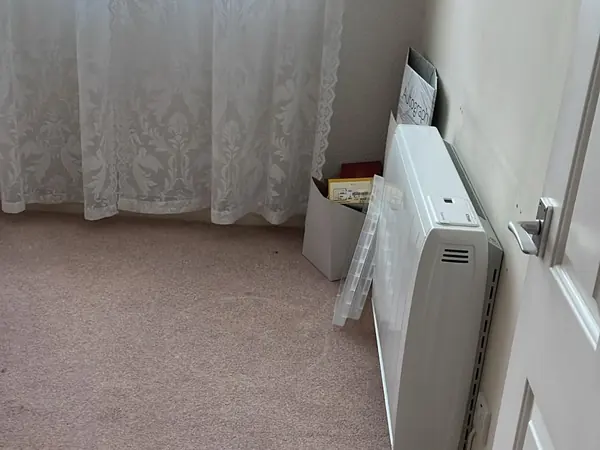
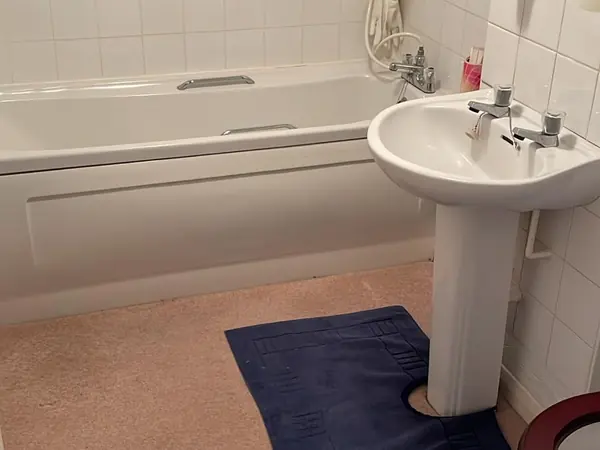
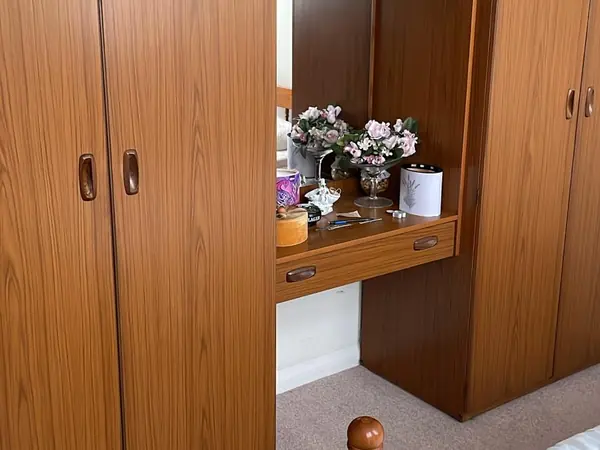
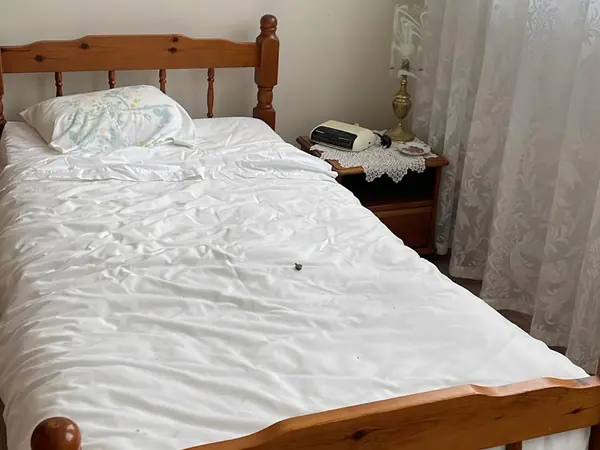
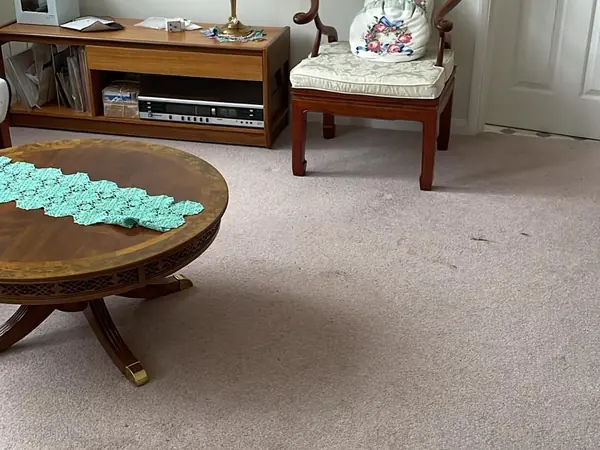
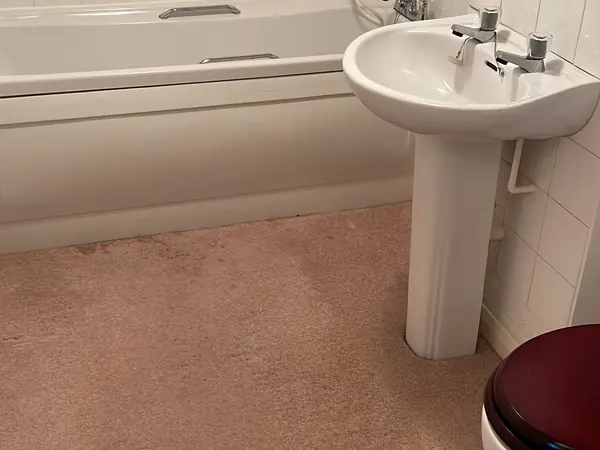
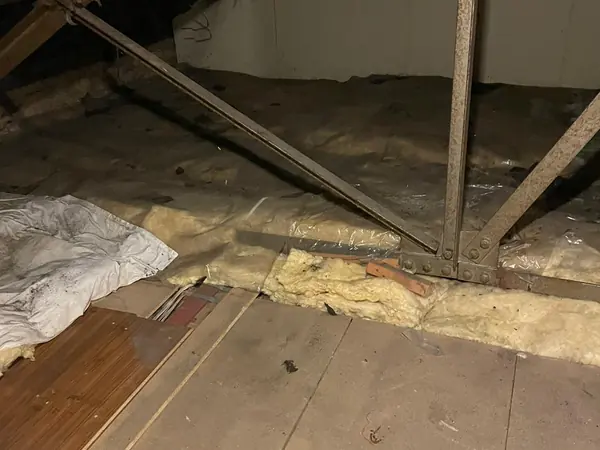
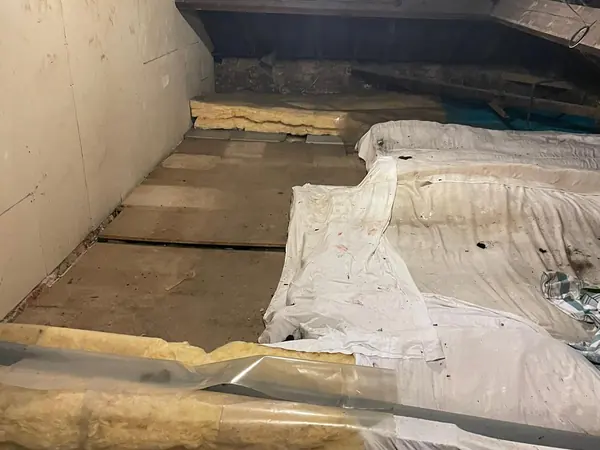
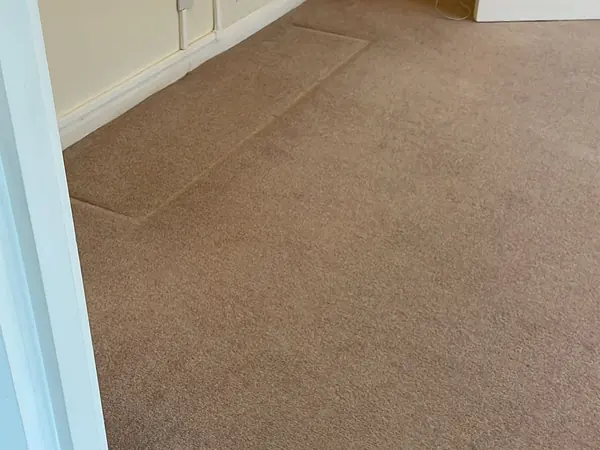
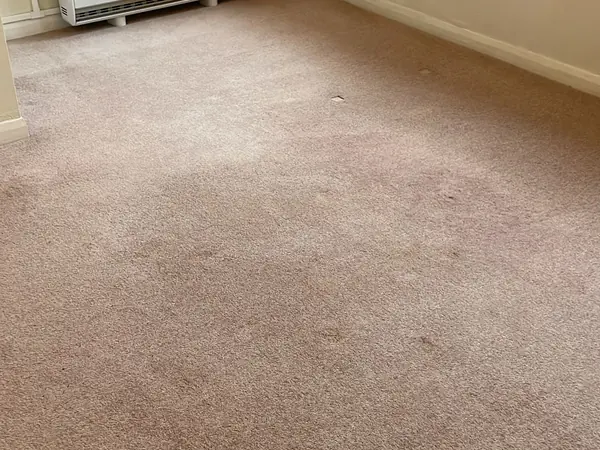
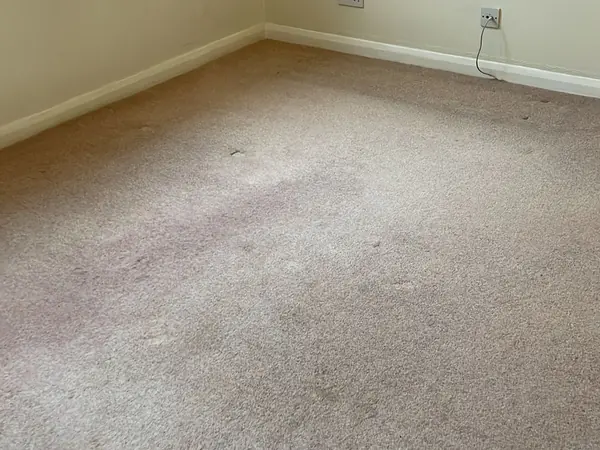
A garage and loft clearance came with it, on the Glamorgan side of the valley, and two wooden cabinets in the lounge, both of them wider than the doorway they'd somehow come in through. That was the note on the booking sheet for a three-bed house in SA11, cleared on a Monday in June 2022, and it turned out to be the honest measure of the day. The third bedroom was a loft extension, so everything from up there came down a narrower flight than the main stairs.
There was a garage as well, which meant the garage and loft were the two ends of the day — the awkward start and the awkward finish, with the ordinary rooms in between. The owner wasn't living in the house. He came back to Neath every so often, took photographs on his visits and emailed them across before booking, which is far more useful to us than any description over the phone. From a dozen pictures you can see whether the wardrobes are chipboard or solid, whether the loft hatch is a proper drop-down ladder, whether the van will fit past the gatepost.
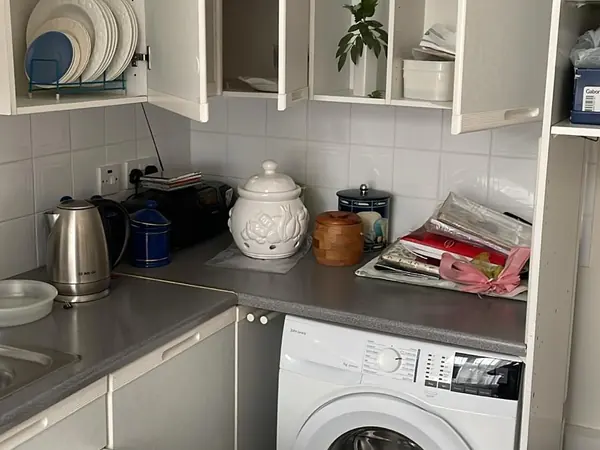
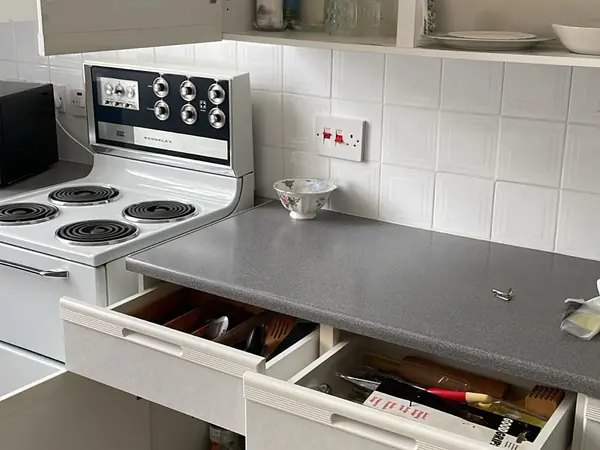
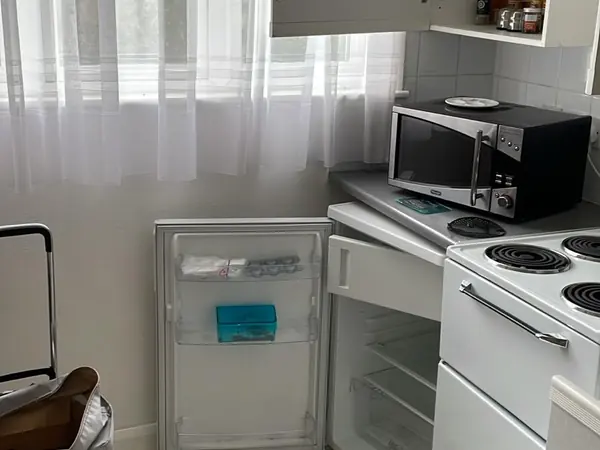
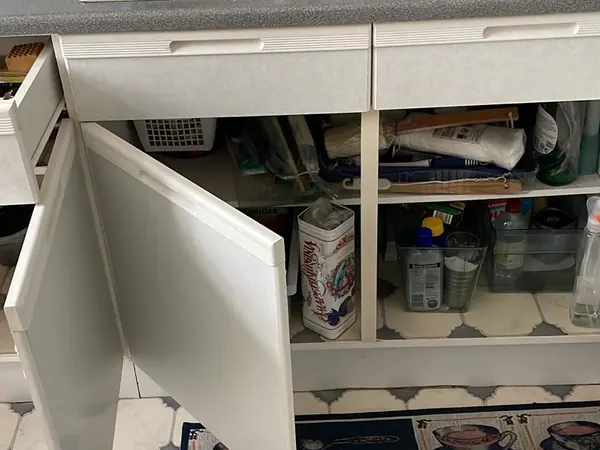
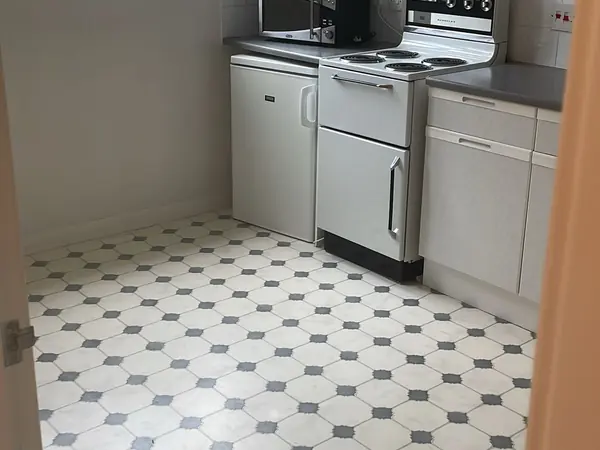
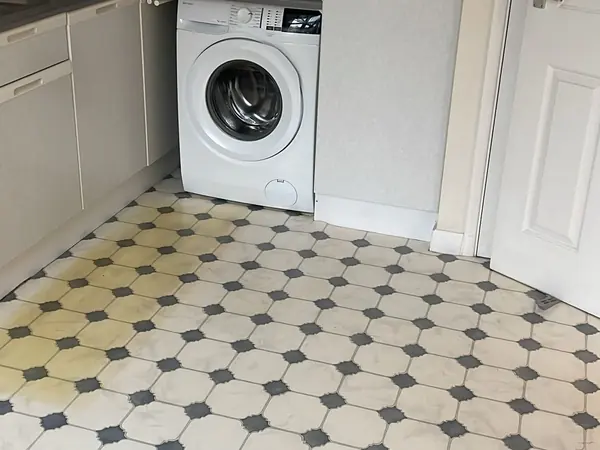
His instructions were unusually precise, and we like that. Curtains, blinds and light fittings were staying. The fitted bedroom furniture stayed. The built-in appliances, washing machine and fridge freezer included, stayed with the property. Even the wheelie bin and the recycling containers in the garage were to be left where they were. Sounds like a small thing, but a bin carried off by mistake is a phone call to Neath Port Talbot Council and a fortnight of bother for whoever moves in next. So the team walked the house with him first, room by room, before a single item went out. That walk-round is the part of a house clearance nobody photographs and everybody should insist on.
A Neath house clearance: the van, the lane and the double yellows
Anyone who lives here knows the parking. The terraces off the town centre, the streets climbing towards Cimla, the older rows down by the river — a Luton or a tipper needs thinking about before nine in the morning. We ask about it on every booking because it changes how the day runs. The most useful thing a customer ever tells us is the plain version: double yellows outside the property, driveway available, nothing at all on the far side of the road. One sentence like that saves the team half an hour of shuffling before a box has moved.
Where the kerb is genuinely impossible, a day waiver from the council is worth the trouble, and people do buy them — the van sits on the yellows for the day, provided an ambulance could still get past. If you're not sure whether it's needed, ask us and we'll tell you what the van actually requires. It's about ten metres of kerb and a bit of swing room, not a whole street. On the hillier streets we'd rather send a smaller vehicle twice than wedge a big one somewhere it can't turn, and that's a decision made before the day, not on it.
The order of the day is much the same everywhere. Loft first while everyone is fresh, then the upstairs rooms, then the ground floor, then the garage and the shed last because that's where the heavy and dirty things live and nobody wants to carry a mower through a clean hallway. If there's a skip-free route out through a back gate we'll use it. If there isn't, everything goes down the stairs and out the front, and that's simply slower.
A probate house clearance in Neath, arranged through a solicitor's probate office
The second job worth telling here came to us not from a family member but from a solicitor's office acting for an estate. Nobody local was in a position to deal with the property, so the instruction, the questions and the paperwork all went by email, and we never met the person whose house it had been.
It was a single-load house clearance — a modest property, cleared in a day. A fridge freezer and a mattress came out with the rest of it. Both of those have to be handled separately from ordinary household goods, so they were logged on their own rather than being tipped in with the furniture. The house was cleaned afterwards, which is what people usually want when a property is going straight on the market and there is nobody nearby to run a hoover round. Photographs went to the solicitor when the van left, because a solicitor settling from an estate needs to see the rooms empty as much as any owner does. The invoice went to the office that instructed us, not to a relative who had never seen the place.
That's a fair chunk of our work in this corner of Wales, in truth: the house is here, the family isn't. We've cleared for people instructing us from Surrey, from Oxfordshire, from Norfolk, from the other side of the world. Photographs before, photographs after, and a written invoice that a solicitor or an executor can settle from the estate.
What happens to a house clearance load
Nothing gets tipped in a hedge, and we can prove it. Furniture and household goods that are still usable get offered on to a charity shop or a community reuse scheme rather than thrown — that's the first sort, done as the van is loaded. What's genuinely finished with is taken to a permitted transfer station and weighed in, and a Waste Transfer Note comes back to you afterwards. Sometimes that note takes a week or two to reach us from the recycling centre; we forward it on the moment it lands. Our waste carrier registration is CBDU419679, and we're insured for the work. We've been doing this since 2007, which is long enough to have learned that the paperwork matters as much as the muscle.
There are things we can't put in an ordinary load, and it's better you know before the day than after. Tins of half-used emulsion, gas cylinders from a caravan or a patio heater, oils, solvents — those need a separate route, so tell us the count when you book. Fridges and freezers are treated as hazardous now because of the gas in them, and they go out on their own. So do mattresses. Sofas, armchairs and any padded seating fall under the POP rules on flame retardants, which means the foam cannot be mixed in with general waste at all and has to be incinerated through its own controlled route. That's the law rather than our preference.
Asking us for a house clearance figure
Ring the office on 0800 046 5555, or send a few photographs through. A shot of each room, the loft hatch, the garage and the street outside is plenty — and we'll tell you what the job needs. Nobody turns up to talk you into something bigger on the doorstep. If the team gets into a house and finds it's fuller than the pictures suggested, they ring you from the property, tell you what's left, and you decide what happens next. We don't quietly change the job and tell you afterwards.
A hoarder house clearance is no bother to us either. If a house has got away from someone and every room is filled to shoulder height, that's a normal week's work here, and the crew get on with it quietly and without comment. Just be honest with us about the scale so we bring the right number of people and book the right number of days.
How far a Neath house clearance run goes
Neath sits in the SA postcodes — SA10 and SA11 are the town's own — in Neath Port Talbot, on the South Wales Main Line. That's handy for us, as families often come in by train to Neath station at nine, hand over a key and go straight back. We clear in Neath itself and out through Briton Ferry, Skewen, Bryncoch, Cimla, Aberdulais, Tonna, the Vale of Neath villages up towards Resolven and Glynneath, Pontardawe, and down to Baglan. West towards Swansea and east along the M4 is all the same working day for us, and so is a run over to Port Talbot or further west into Carmarthenshire for Llanelli and Ammanford.
House clearance in Neath — common questions
How much notice do you need for a house clearance Neath side of the county? Usually a few days. If a completion date is fixed and tight, say so when you ring — we can often move a booking about to fit a sale rather than the other way round.
Do I have to be there on the day? No. Plenty of our house clearance work here is done with a key from a neighbour, an agent or a keysafe. We photograph the rooms before we start and again when they're empty, and send them the same day.
Who is invoiced when a probate house clearance is settled? On a probate clearance we invoice the solicitor, the executor or the estate directly, whichever suits you, and payment can come out of the estate once it's in funds. No chasing while a sale completes. There is no deposit to pay before we start.
What won't you take away? Paint, solvents, oils, gas bottles and anything else classed as hazardous can't travel in a general load, and asbestos we won't touch at all — that needs a licensed specialist. Fridges, freezers, mattresses and upholstered furniture all leave with us, but by their own routes.
Can you clean the house afterwards? Yes, and it is a common request on a probate clearance Neath families are handling from a distance, when the property is going on the market and nobody local can do it.
Do you take the carpets and the curtains? Only if you want them gone. Tell us on the walk-round what stays — carpets, blinds, light fittings, garden furniture, the bins — and it stays. That list is worth writing down before we arrive.
If you've a house in Neath that needs emptying, ring us on 0800 046 5555 or send a few photographs through, and we'll tell you what it needs.