Most weeks there is a van of ours somewhere in the M postcodes, and house clearance in Salford makes up a good part of that week. We have been doing this work since 2007, we hold waste carrier licence CBDU419679, and we are insured for it. One job, told properly, says more than a page of promises.
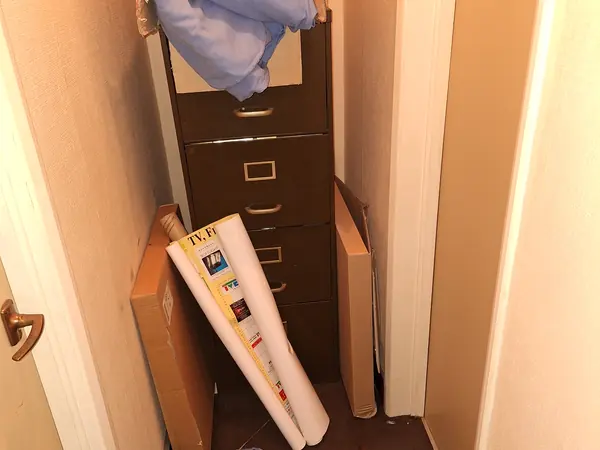
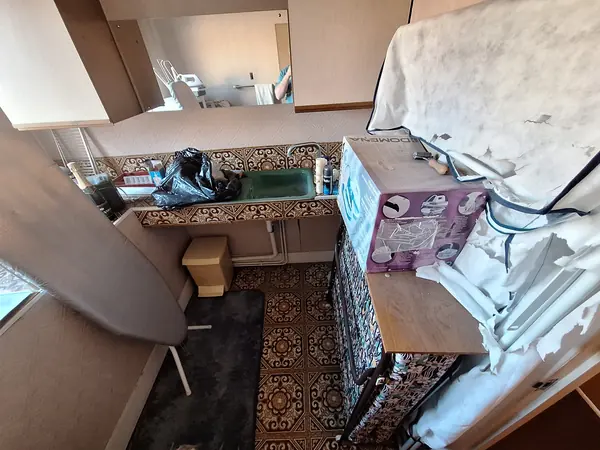
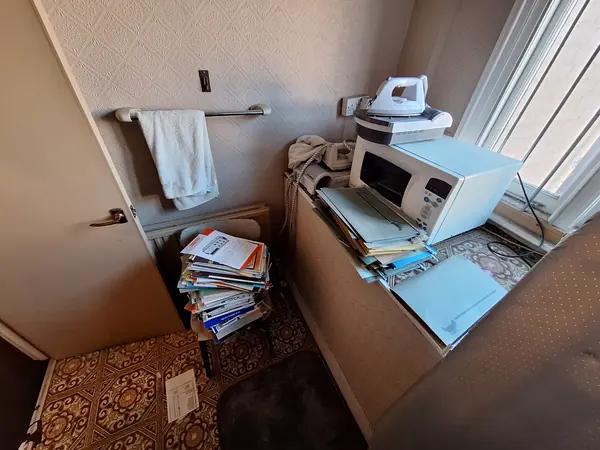
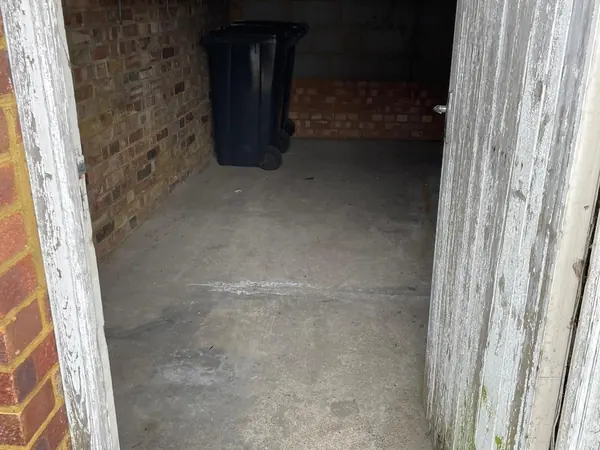
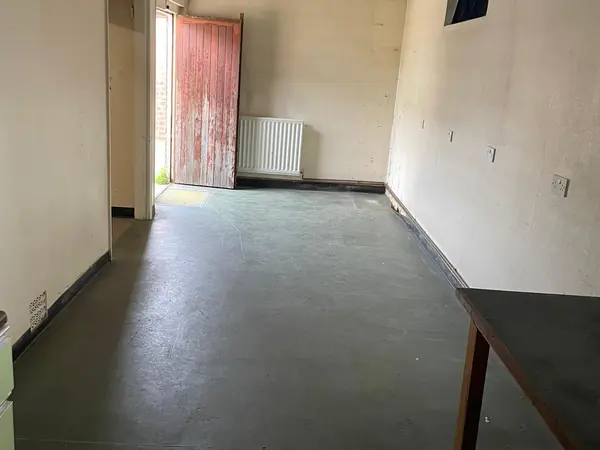
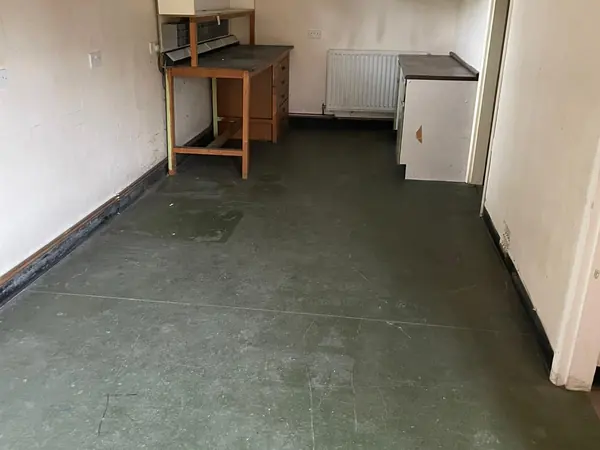
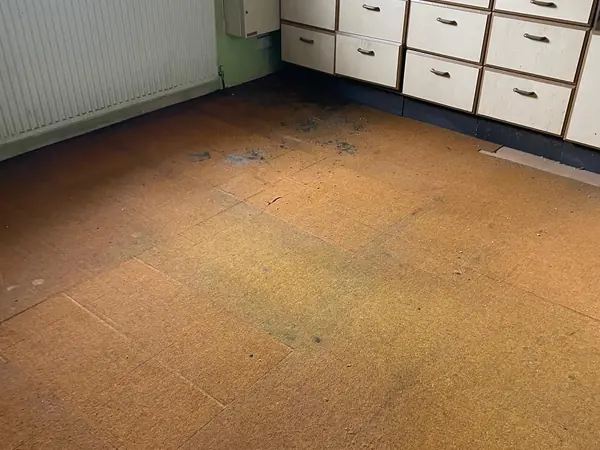
June 2020, a house in M6, over towards Pendleton. It came to us as a probate matter — the person dealing with the estate was handling everything at arm's length and wanted the property emptied and left fit to hand over. We sent the estimate across and the reply came back in a single line. "I accept the quotation and look forward to hearing the earliest time and date you can carry out the work." So we booked it in and gave them the first date the team had free.
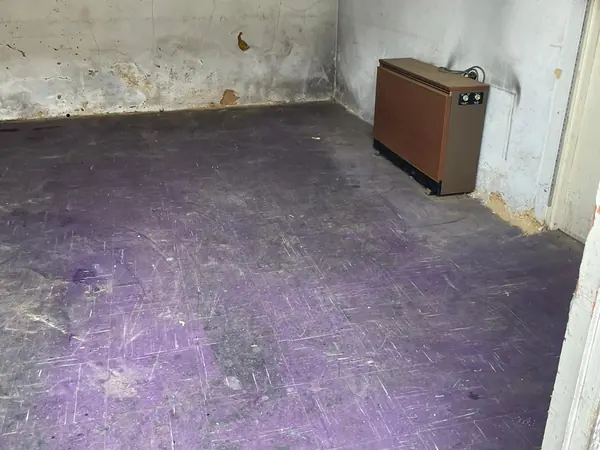
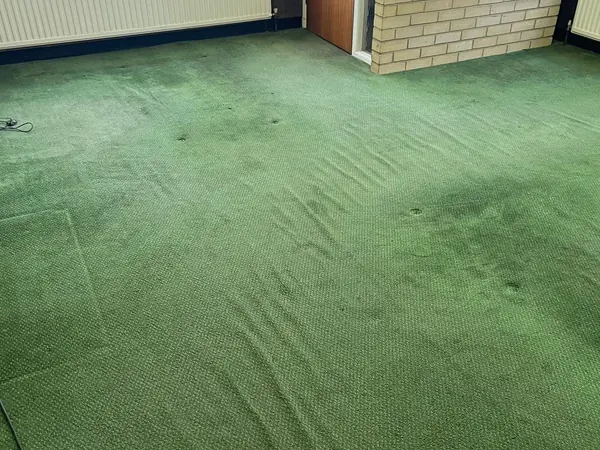
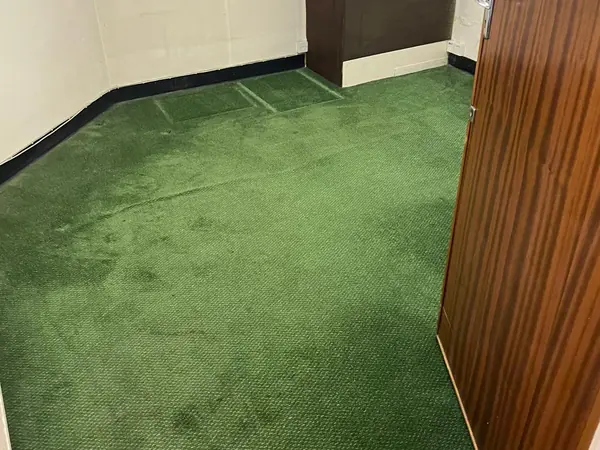
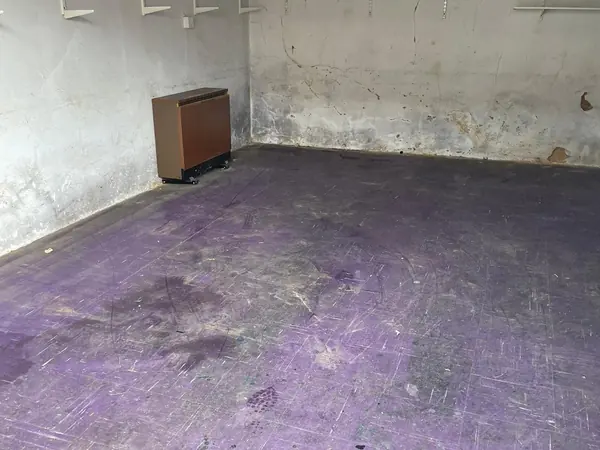
The clearance itself went out in one load. A mattress travelled separately, as mattresses always do, and there was a small fridge freezer that had to go off for degassing rather than ride in the back with the rest of it. Both of those count as regulated recycling: separate route, separate paperwork, and neither of them can be tipped in with general household waste. Once the house was bare the team cleaned it through, so whoever came next — agent, buyer, a relative with a key — walked into an empty house rather than a dusty one.
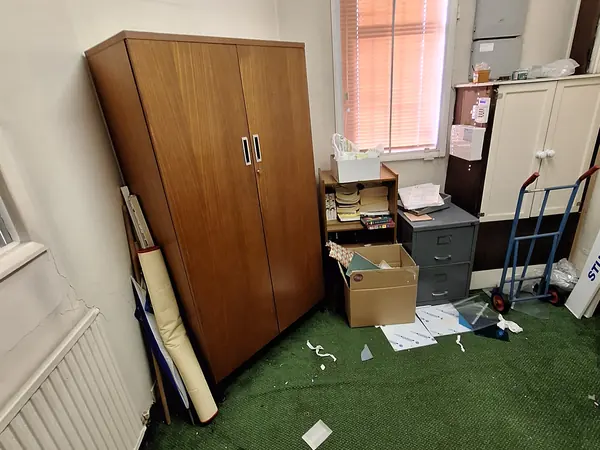
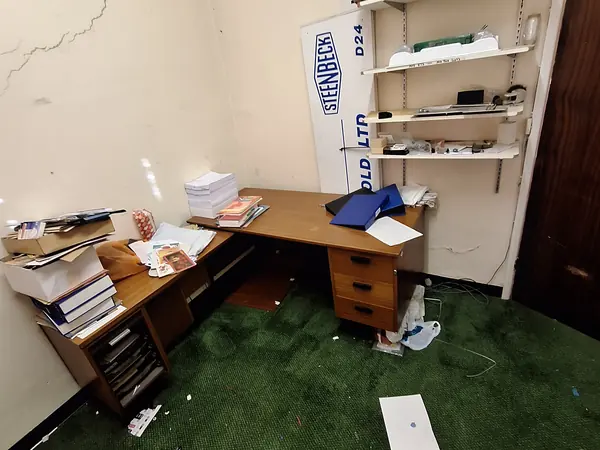
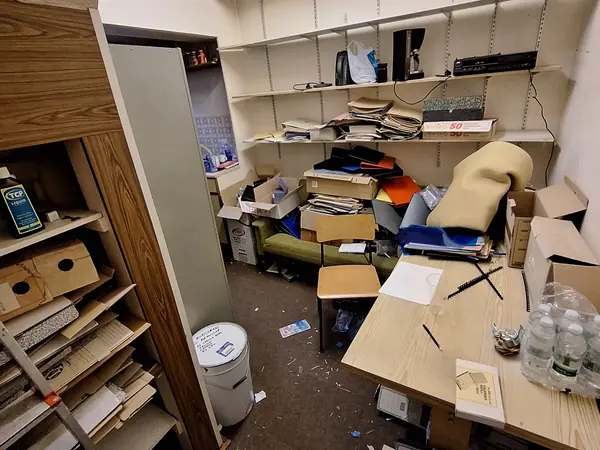
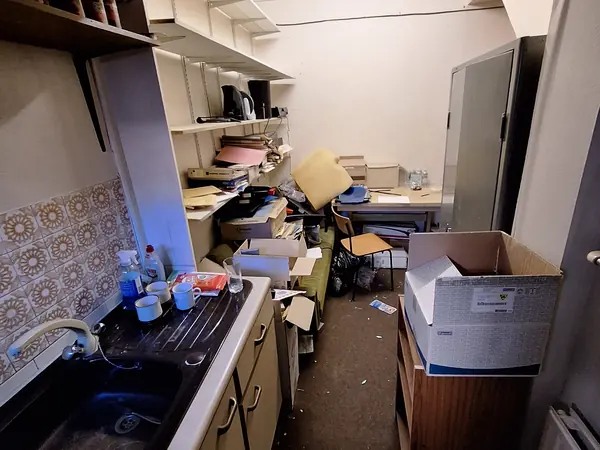
Two things about that job come up on nearly every probate clearance we do in this city. The grant of probate had been applied for and had not yet come through, so the timing of payment was agreed at the start rather than argued over at the end. And the team leader photographed every room on arrival and again once it was empty. That is standard for us, and it tends to settle any later question about what was in the house and what left it.
People often ask for the disposal paperwork afterwards, and quite right too. We send the waste transfer notes over. One detail catches customers out: a transfer note does not name the house the furniture came out of. It records who moved the waste, what class of waste it was, and which permitted site accepted it. What ties it to your clearance is the carrier — us, CBDU419679 — together with the dated invoice for the job.
The patch we work, and how we get to it
Salford is a city in its own right, not a suburb of Manchester, though the boundary between the two runs through streets where nobody could tell you which side they are standing on. We clear across the M postcodes. M3 and M5 sit down by the river and Ordsall. M6 runs through Pendleton, Seedley, Langworthy and Weaste, and M7 covers Broughton, Higher Broughton and Kersal. M27 is Swinton and Pendlebury, M28 Worsley and Boothstown. M30 takes in Eccles, Patricroft and Monton, M38 Little Hulton. M44 is out at Irlam and Cadishead, and M50 is the Quays. M24 up at Middleton and Alkrington, which is Rochdale's side of the line. Greater Manchester as a whole, really, but Salford is where we spend most of our days in this part of the North West.
Vans come in off the motorway rather than the rail network, but the stations are how most people describe where they live to us on the phone. Salford Crescent, ten minutes from the university buildings. Salford Central, close enough to Chapel Street that the terraces behind it are a walk. Swinton, Moorside, Walkden, Eccles, Patricroft, Irlam. On the Metrolink side there is the Eccles line through Weaste, Langworthy, Broadway and MediaCityUK. Household waste and bulky collections are Salford City Council's business, or Rochdale's once you are over at Middleton, and their tips have their own rules on vans and trade waste, which is one of several reasons people ring us rather than borrow a friend's van.
We work either side of the boundary too, and the same crew that does a house clearance in Salford in the morning is often across the water in the afternoon. If your property is over the line, there are separate pages for house clearance in Manchester and for house clearance in Stockport, and for the smaller places south of the ship canal, house clearance in Altrincham and house clearance in Cheadle. Same team, same licence, same paperwork at the end of it.
Housing here changes street by street and it changes how the day goes. The red-brick terraces around Seedley and Langworthy have no side access worth the name, so everything comes out through the front door and down a step onto the pavement. Broughton and Kersal have big older semis with proper lofts, and lofts are where the hours go. The apartment blocks at the Quays and around M50 are the opposite problem: fine access once you are in, but a lift to book, a loading bay to arrange with the concierge, and a time window that is not ours to move. Tell us which of those you have when you ring and the right van and the right number of people turn up.
Probate work, and being paid out of the estate
A good share of what we do here comes through executors, and a fair few of those executors are nowhere near the M postcodes.
Probate house clearance runs differently from a normal booking, and the money side is the part people worry about most, so here it is plainly. We invoice the solicitor, the probate case manager, the executor or the estate directly — whoever is holding the file. Payment can come out of the estate itself; it does not have to come from a family member's own pocket, and the invoice does not have to go to a private address. There is no deposit. We do not ask for anything up front before the van comes, and the invoice follows the work rather than leading it. Where probate has been applied for but the grant has not yet come through, say so at the start and we will agree the timing then, in writing, so nobody is chasing anybody later.
Executors also ask what we do about paperwork found in the house. Deeds, bank statements, photographs, letters, anything that looks like it belongs to the estate rather than to the skip — it gets set aside for whoever is dealing with the house, unless we are told in writing to dispose of it. That instruction has to come from the person handling the estate, not from a neighbour with a key.
A three-bed with a loft, and a stairlift on the stairs
The question that comes first on a lot of family houses is the stairlift. We do dismantle them. If the lift is hardwired into the mains an electrician has to disconnect it before we touch it; otherwise the team leader looks at it on the walk-round and decides whether it comes apart on the day. Same with anything plumbed or wired — a wall-mounted heater, a fitted oven, a shower seat bolted into tiles.
Before we confirm a date we ask the same short list by email. The address, the size of the property and the outside areas, and the day you want. A contact name and number for the team, and who will let them in. And whether anything hazardous or verminous is inside. It is how the right van and the right number of people turn up.
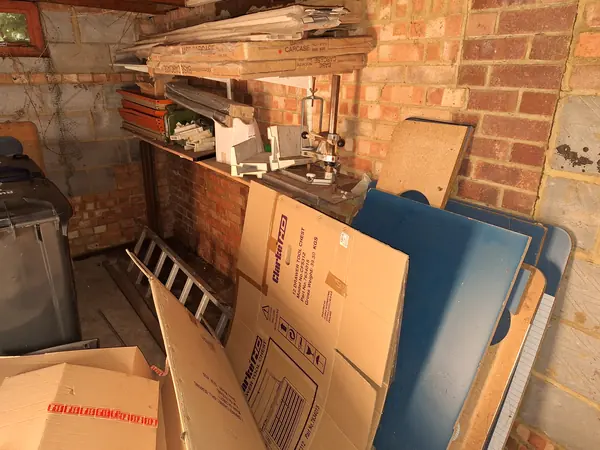
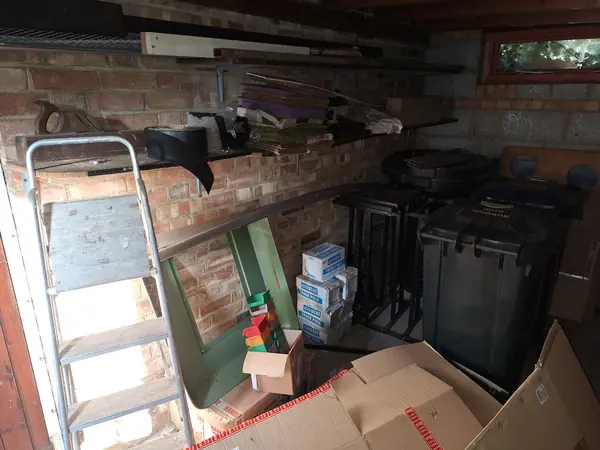
Not every clearance is a whole house. We are just as often asked for a single room, a conservatory and a garage, with the lounge, kitchen and main bedroom left exactly as they are because the buyer is keeping the furniture. Tell us which rooms are in and which are out and the team works to that list, nothing more. Garage and loft clearance on its own is a common booking here, as is an end of tenancy clearance where a landlord needs the place empty and swept by a fixed date.
When you cannot be there yourself
Plenty of the houses we empty in Salford are instructed by somebody in another county, or another country. It works perfectly well. Keys come from an agent, a neighbour or a solicitor's office, the team rings the person instructing us when they arrive and again when they finish, and the room-by-room photographs go over afterwards so the person paying can see the house as it was left. If anything turns up that was not described — a full loft when the loft was said to be empty, a shed nobody had opened — the team leader rings before touching it, and the change is agreed while the van is still on the drive.
Sofas, mattresses and what is handled separately
One thing worth understanding before you book any house clearance in Salford is which items cannot simply be tipped. Upholstered domestic seating has to be kept out of general waste and sent for incineration at a permitted facility, because of the flame retardants in the foam and fabric. Armchairs, sofas, sofa beds, footstools, dining chairs with padded seats — all of it. That includes the seat cushions that belong to a sofa, not just the decorative ones off the top, which is the question we get asked most about the rule. Mattresses are handled on their own too, and fridges and freezers are degassed under a separate set of rules again. None of that is us being awkward; it is the law on how the stuff has to be treated, and it is why we ask what is in the house before the van sets off rather than after.
What house clearance in Salford costs, and how to get a figure
Ring the office on 0800 046 5555, or send photographs of each room through the form on this page with a rough description, and you will get a figure back. That is the whole answer. We would sooner give you that figure over the phone or from pictures than turn up and negotiate in your hallway, so be honest about the loft and the garage when you send them — those are the two that change a day.
Full houses, and things worth keeping
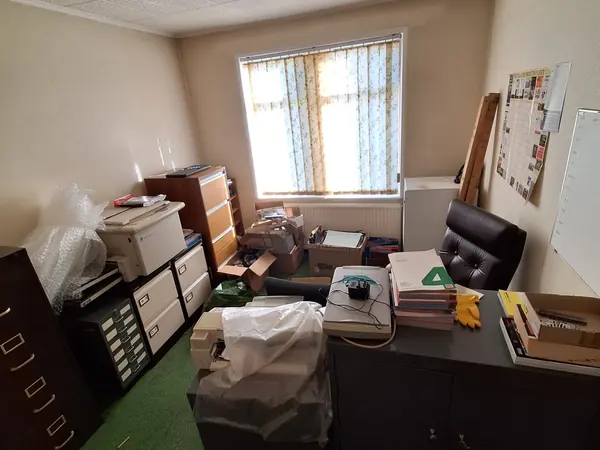
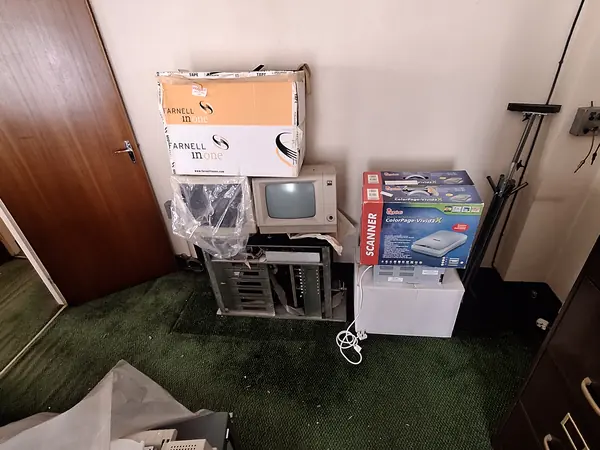
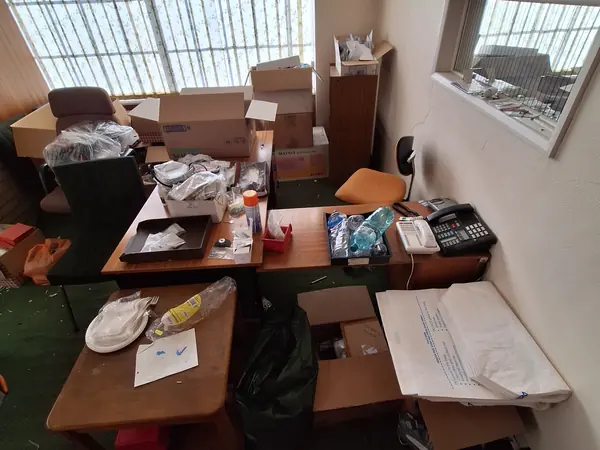
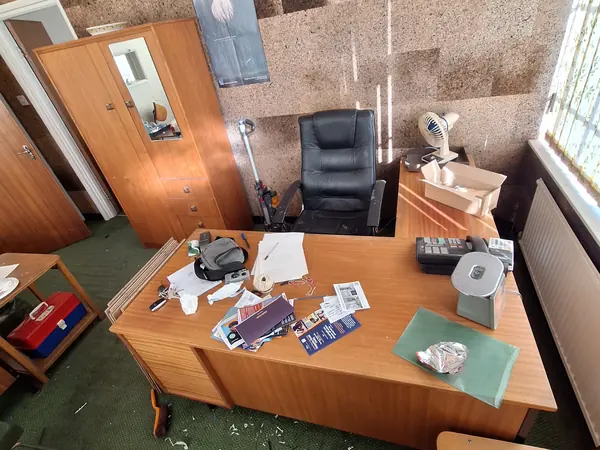
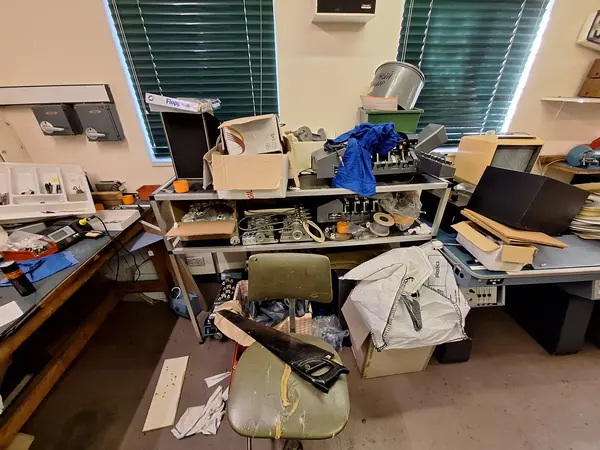
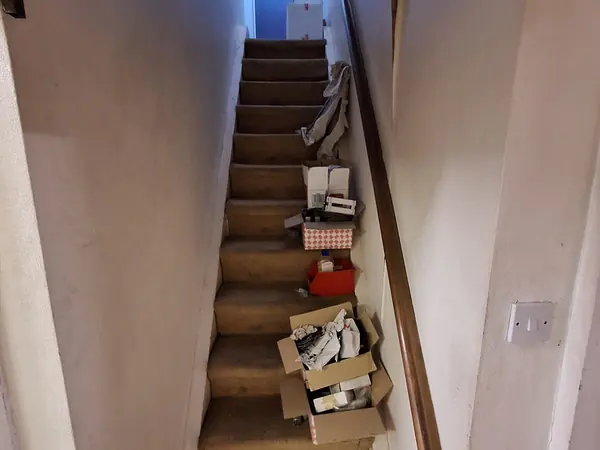
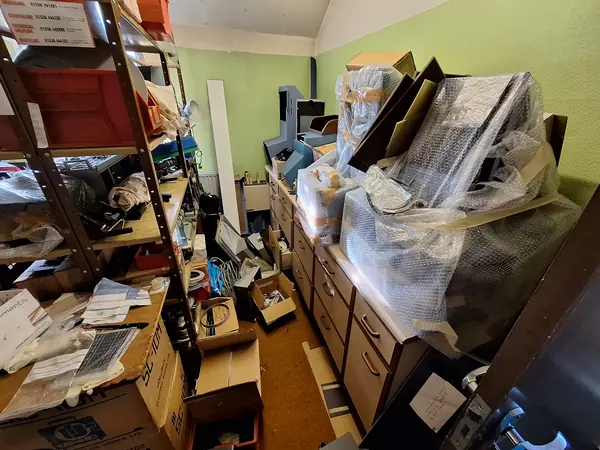
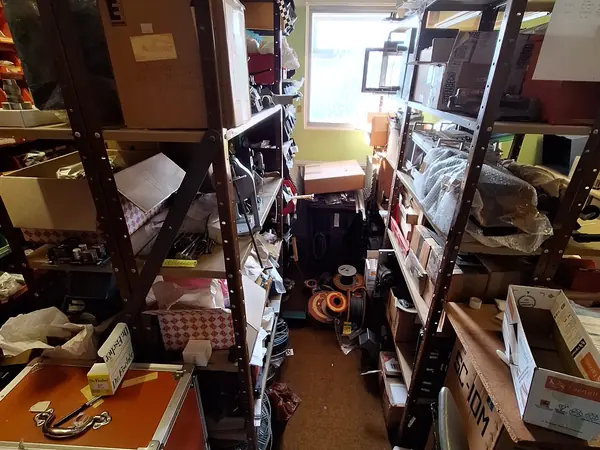
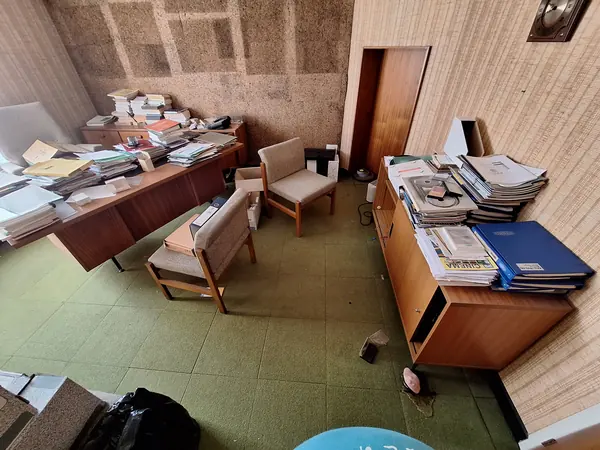
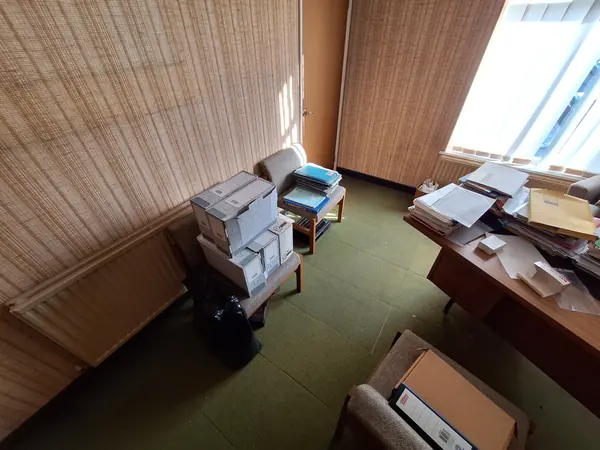
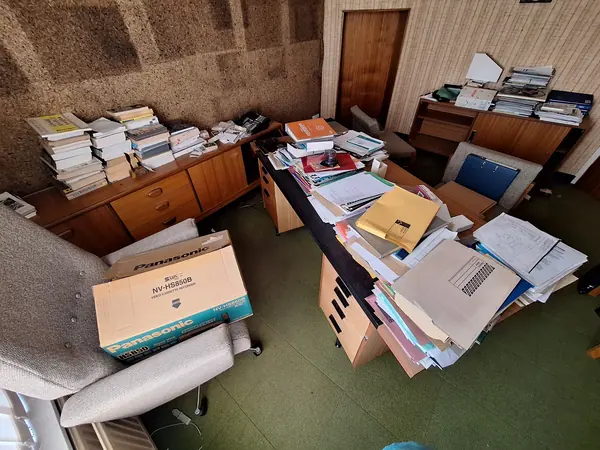
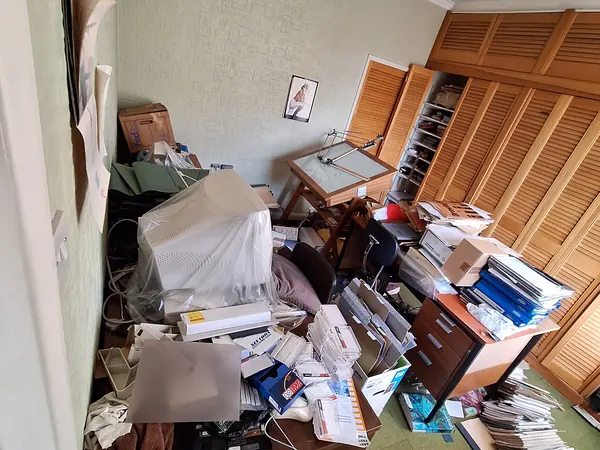
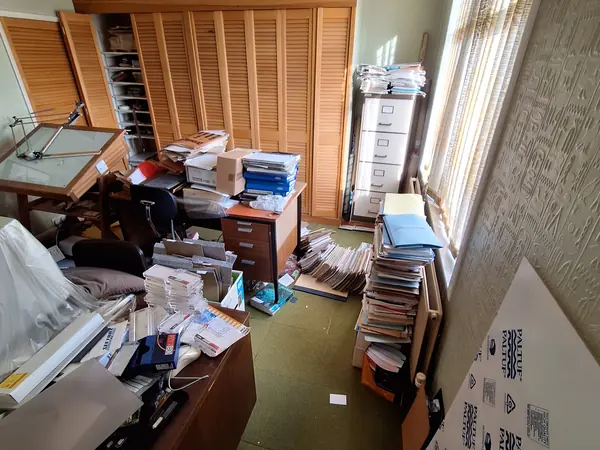
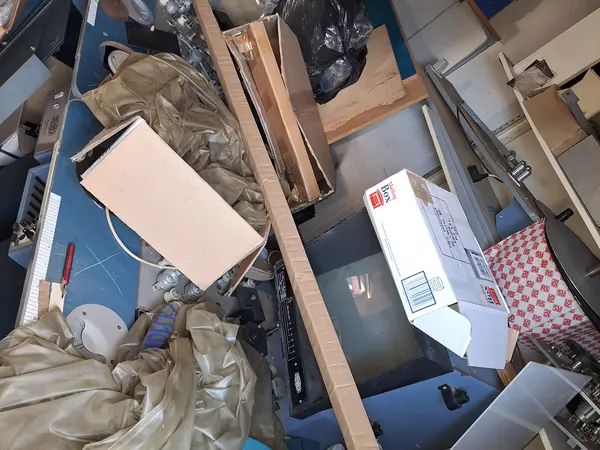
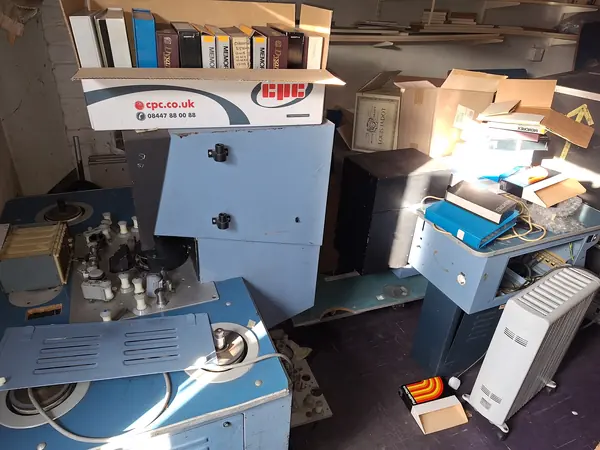
Houses packed to the ceiling do not put us off. We have done hoarder house clearance work in these postcodes where every room had a path through it and nothing was said afterwards to anybody. If a clearance needs a longer day or a second crew, we tell you that when we come back to you, not halfway through.
Anything still usable is offered on before it goes near a tip — furniture in decent order, unopened household goods, clothing and books to charity shops and reuse projects around Salford and Eccles. What genuinely cannot be reused is weighed in at a permitted site and the note comes back to us.
Have a property in Salford, Eccles, Swinton, Worsley, Irlam or anywhere else across the M postcodes? Ring 0800 046 5555 for a date and a figure. Or send photographs and a rough description of the rooms through the form on this page. We will tell you what the job takes, what day we can do it, and what the paperwork will look like afterwards.
Questions we get asked about house clearance in Salford
Who is invoiced on a probate house clearance? The solicitor, the probate case manager, the executor or the estate directly — whoever holds the file. Payment can come out of the estate, and there is no deposit.
Can you clear the house if nobody can be there? Yes. Keys come from an agent, a neighbour or a relative, and photographs of every empty room go back the same day.
Do we need to empty the cupboards first? No. The team empties wardrobes, drawers and cupboards themselves. Tell us what must stay, or put it in one room and say that room is out of scope.
Are the garage and loft extra? They are part of the job if you say so when you book. Both are worth mentioning on the phone — a full loft is where the hours go.
What can't go on the van? Paint, thinners, garden chemicals, gas cylinders and anything that looks like asbestos. Fridges, freezers and upholstered furniture travel, but each on its own controlled route.
How long does a Salford house clearance take? Most three-bedroom houses are done in a day. A very full property, or one with a loft, garage and garden as well, can run into a second.