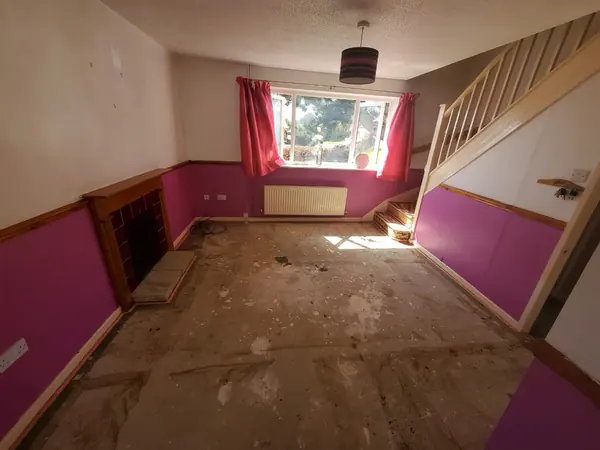
Most house clearance in Cornwall starts a long way from the front door. Someone in another county has a set of keys, a completion date and no realistic way of getting down here for a fortnight to empty a bungalow. We have been clearing houses since 2007, and in Cornwall that means St Austell and the clay country, Bodmin and the edge of the moor, Wadebridge and out towards Padstow, Truro, Newquay, Penryn and Falmouth.
Two of our Cornish jobs, told properly, say more about how house clearance in Cornwall actually runs than any list of promises.
A park home and garage clearance at Sticker, PL26
October 2024, out at Sticker just south of St Austell. Two-bedroom park home with a garage, and the person organising it lived up the coast near Newquay — near enough in Cornish terms, far enough that nobody was going to pop over of an evening to sort a shed. They asked for the week commencing the 21st; the van went in on the Tuesday.
The completion date wasn't fixed when they booked. They were working on the assumption of the end of October and wanted the clearance in the diary regardless, which is the sensible way round — dates move, and a clearance booked late is a clearance that holds up a sale.
Then the brief shrank a fortnight before the day, because the buyer had opinions. In the customer's own words:
> "The buyer would now like anything to do with the garden.The shed and garden furniture will now not need clearing."
So the shed stayed shut, the garden furniture stayed where it stood, and what came out was the inside of the park home and the contents of the garage. That happens more often than you'd think on a sale, and it is no trouble at all provided somebody tells us before the crew are halfway through loading a bench.
Park homes and bungalows are a fair share of what we clear between St Austell and Newquay. Low ceilings, narrow internal doors, site roads that were laid out for a car and not for a Luton, and a garage that has been the overflow cupboard for thirty years. When we take a booking we ask the same set of things every time. The full address, the size of the property, and which outside areas are included. Who will be there to let the team in, and a contact number for the day. And whether there is anything hazardous or verminous inside: decaying food, animal mess, needles, anything of that sort. Better asked at the desk than discovered at nine in the morning.
A probate house clearance in Penryn, TR10
November 2018, a property in Penryn. The instruction came through a solicitors' office over in Falmouth, TR11, which meant the paperwork went one way and the keys went another — the ordinary shape of a probate house clearance in Cornwall. Full contents clearance of the property, one large load, and out with it came a chest freezer and a fridge freezer, both of which have to be handled and degassed separately by law rather than thrown in with the rest.
The relative settling the account was in Australia, ten hours ahead, so every email landed here overnight. The first one warned us their bank was going to make things awkward. An hour later came a second:
> "Please ignore previous email – I was able to increase my limit so able to pay account in full"
Executors at that sort of distance are the norm rather than the exception here. A good half of the people who instruct us are in their seventies, working from another county or another continent, sorting out a house they used to visit twice a year.
So we say this plainly: we invoice the solicitor, the executor or the estate directly. Payment can come out of the estate, and there is no deposit — the invoice follows the work, not the other way round. Photographs, completion pictures and waste transfer notes go to whoever needs them for the file.
If you want a figure for house clearance in Cornwall, ring the office on 0800 046 5555, or send photographs through the form on this page and we will come back to you with one.
The areas we cover in Cornwall, and the roads getting there
We work PL25 and PL26 around St Austell and the clay country, and PL27 for Wadebridge and out towards Padstow. PL30 and PL31 cover Bodmin and the edge of the moor. TR1 is Truro, TR7 Newquay, and TR10 and TR11 take in Penryn and Falmouth. Lostwithiel, Luxulyan and Sticker have all had a van on the doorstep.
Trains matter more here than people expect, because a crew can be dropped and collected if a van is tied up elsewhere. Bodmin Parkway and St Austell sit on the main line. Truro has the branch down through Penryn to Falmouth, and Newquay is at the end of the branch from Par.
Beyond our own districts, house clearance in Plymouth is the big one over the Tamar in Devon, and further west we cover house clearance in Penzance and house clearance in Helston. On the north coast, house clearance in Newquay has a page to itself.
Access is the honest variable. Terraced granite streets in the older parts of Falmouth and Bodmin were not built with a Luton in mind, and a lane off the A390 or the A39 can narrow to nothing a hundred yards short of the house. Tell us what the approach is like — or send a photograph — and we will bring the right van rather than improvise on the day. On one Cornish booking the neighbours had been asked in advance to keep the ground in front of a garage clear, and it saved the lads walking every armful down an access road. August traffic on the A30 is its own consideration, and we plan around it.
The kinds of house clearance we do in Cornwall
Probate house clearance in Cornwall
Most of our probate work comes either from a solicitor handling the estate or from an executor at a distance. We can hold keys arrangements with an agent, work to a completion date, and set aside anything that turns up in drawers — papers, photographs, jewellery, money — for the family rather than the van. More on how we handle estates is on our probate house clearance page.
Flat clearance in Truro, Falmouth and Penryn
A flat clearance is a different animal to a house: stairs, a shared entrance, a parking bay somebody else is using, and a landing you are not allowed to block while you gather. Student and rental flats around Penryn and Truro tend to be end-of-tenancy work — the tenant has gone, the landlord needs it empty by Friday. Tell us the floor and whether there is a lift.
Garage and loft clearance in Cornwall
Half of what we take out of a Cornish property never lived in the house at all. A garage and loft clearance is its own job: a loft hatch narrower than what came through it thirty years ago, a garage stacked to the door, a shed with tins in it. When you ring, say whether a garage, loft or shed is part of it — it changes the day more than an extra bedroom does.
End of tenancy clearance and holiday lets
Between the university terms in Falmouth and Penryn and the changeover on the holiday lets along the coast, end of tenancy clearance is a steady part of the Cornish year. A let handed back with three years of accumulated furniture in it, a cottage sold on with the previous owner's contents still in the outbuildings — both are a morning's work rather than a project, provided we know about the sheds.
Hoarder house clearance in Cornwall
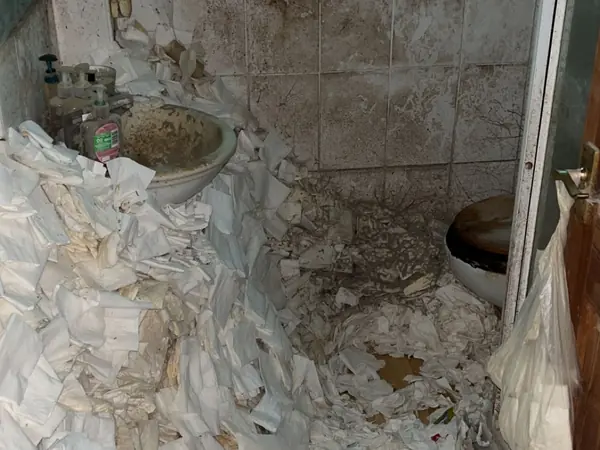
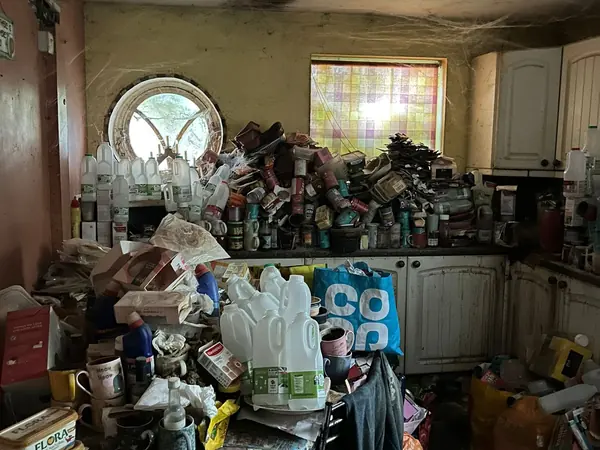
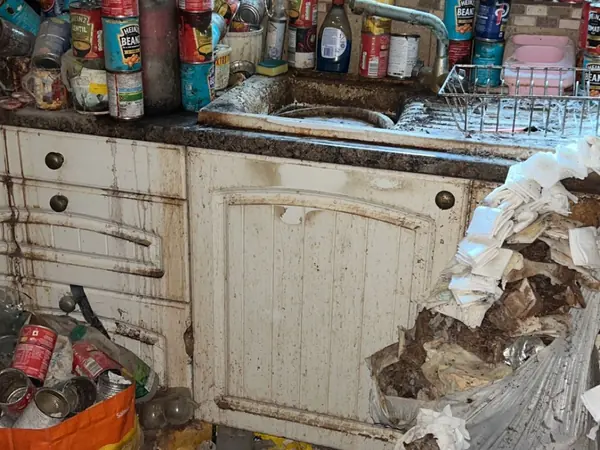
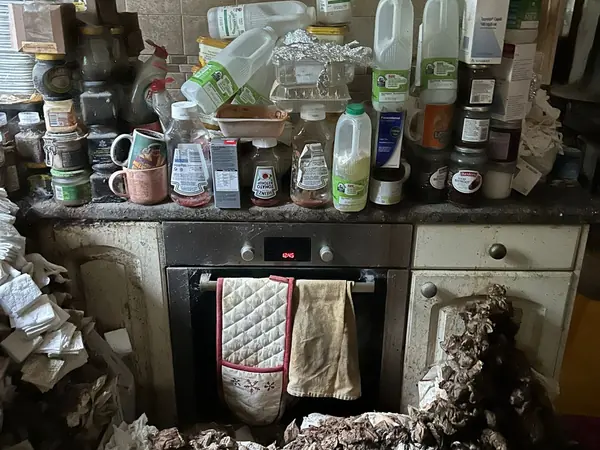
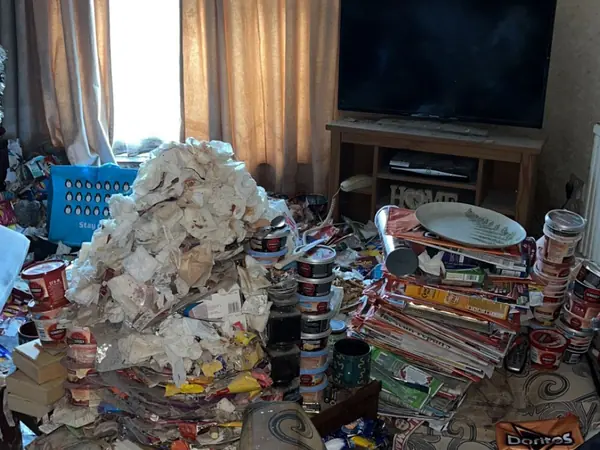
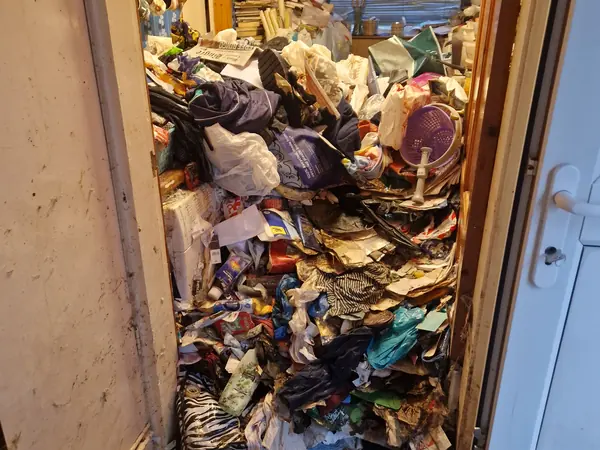
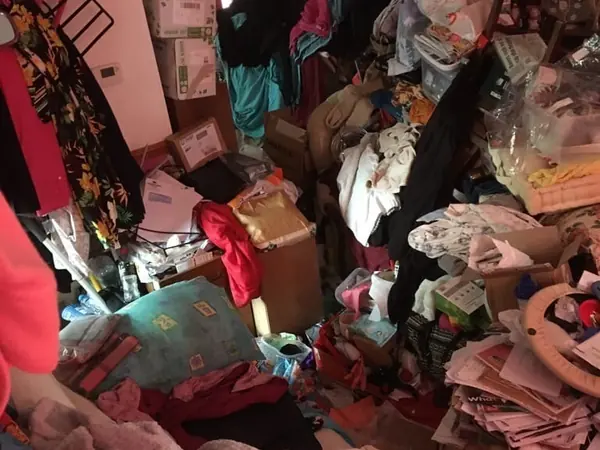
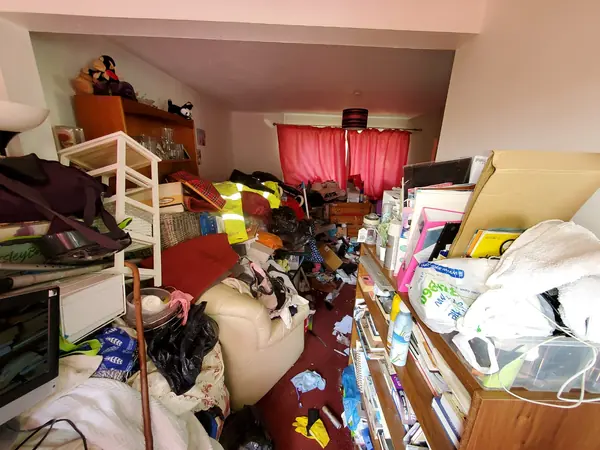
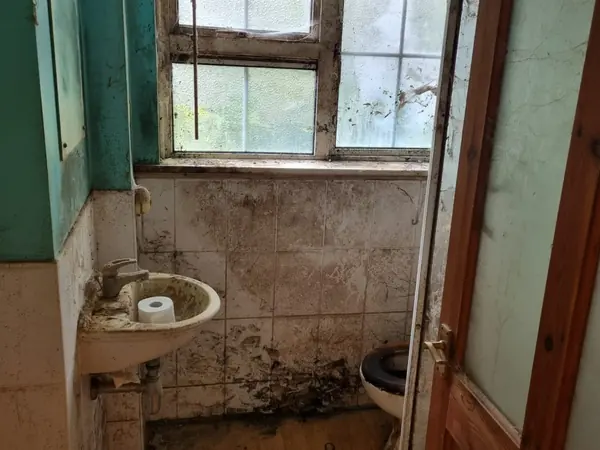
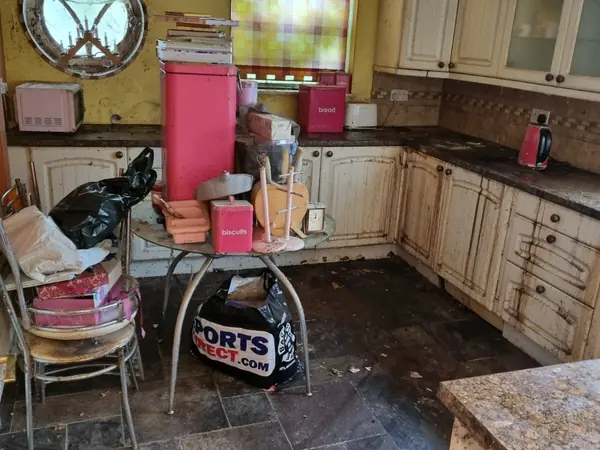
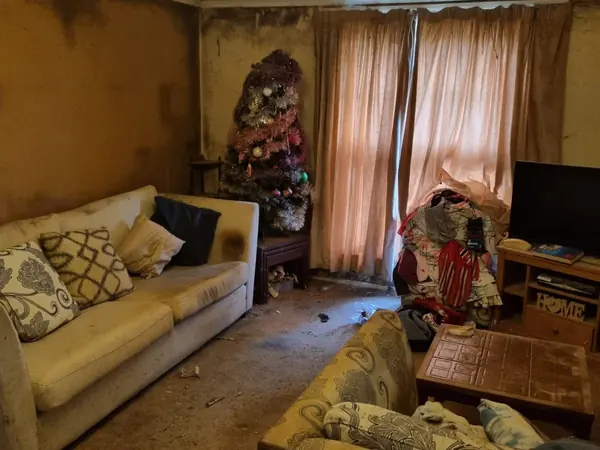
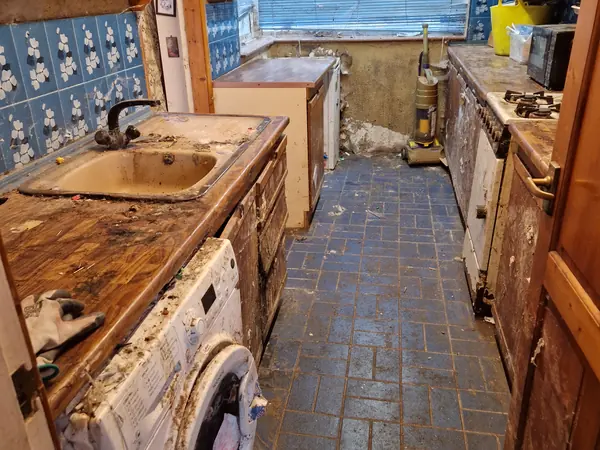
Heavily overfilled properties are ordinary work here, not a reason to raise an eyebrow. A hoarder house clearance is slower, needs more sorting and sometimes needs the pest and cleaning side sorting first, but nobody on our crew comments on the state of a house, then or afterwards. See our hoarder house clearance page for how those are run.
Rubbish removal and single items
Not everything needs a full clearance. A few loads of garden and garage waste, a single sofa, a piano, or a part-load after a family has taken what they want. That is house rubbish removal rather than a house clearance, and it is worth saying so on the phone.
What comes out, and where it ends up
A Cornish clearance rarely looks like a house on the telly. It looks like a sunbed nobody has used since the nineties, board games with the boxes taped shut, a train set built onto a board too big for the loft hatch it came through. A doll's house, a pram kept back for grandchildren who grew up, a car seat, a wheelchair and a walking frame in the hall. One property gave us a crate of singles — David Cassidy, Lieutenant Pigeon, Gilbert O'Sullivan — the sort of thing that goes to a charity shop rather than a transfer station.
Which is the rule we work to. Anything still usable is offered on to a charity or a reuse project before it is treated as waste, and furniture, tools, crockery and clothes go that way more often than people expect. What is genuinely finished is taken to a licensed site with paperwork raised for it — waste transfer notes on request, every time. We hold an upper-tier waste carrier registration with the Environment Agency, CBDU419679, and a full house load has no business being tipped at one of Cornwall Council's household centres anyway.
Two things can't simply go in with the rest. Tins of paint, gas bottles and chemicals need their own arrangements, so mention them on the phone if the shed is full of them. And sofas, armchairs and anything else with foam in it fall under the persistent organic pollutant rules, which means separate transport and a separate disposal route. Neither is us being awkward — it's the law on both counts.
The order of the day
The crew walk the property first, room by room, and say what they think it will take. Two days means two days. Parking distance, queues at recycling centres and charity depots, and the time it takes to gather small items all move the clock, and we would rather set that out at the start than spring it afterwards.
Worth saying plainly, too: the insides of white goods, ovens, cupboards and drawers are not part of a standard clean. When something is missed we would rather find it in the completion photographs ourselves than argue the point with a customer — that has happened on a Cornish estate job, and going back was quicker than the email exchange would have been.
House clearance in Cornwall — common questions
Can you invoice the solicitor or executor directly? Yes. We invoice the solicitor, the executor or the estate, whichever suits, and the account can be settled from the estate.
Do you take a deposit? No. There is no deposit and nothing to pay up front — the invoice follows the work.
How do I get a figure for a house clearance in Cornwall? Ring the office on 0800 046 5555 with the postcode district, the number of bedrooms and whether a garage, loft or shed is included, or send photographs through the form on this page.
Do I need to be there on the day? No. Plenty of our Cornish work is done with keys from an agent or a neighbour, with photographs sent afterwards. We do need a contact number for the team on the day.
What happens to things that are still usable? They go to a charity or a reuse project first. Only what is genuinely finished goes to a licensed disposal site, and we can raise waste transfer notes for the estate file.
Will you clear a house that is completely full? Yes. Hoarded and heavily overfilled properties are routine here. Tell us honestly what is behind the door so the right crew and the right number of days turn up.
Have a property in Cornwall that needs emptying — St Austell, Bodmin, Wadebridge, Truro, Newquay, Penryn or Falmouth? Ring us on 0800 046 5555 with the postcode district and the size of the place. Or send photographs through the form on this page.