The bureau came out first, because it was blocking the hall.
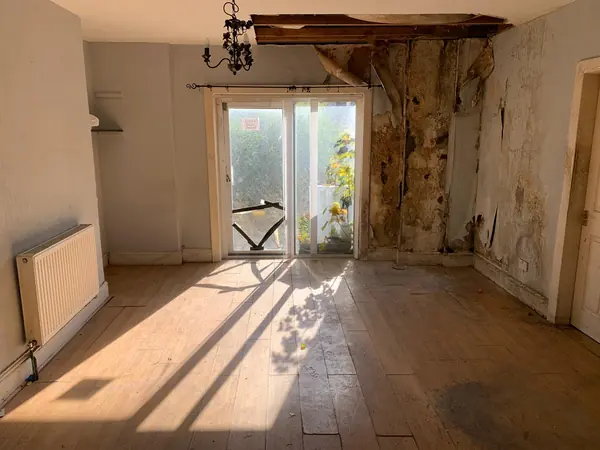
Behind it, in a house in WA9 over towards Sutton, sat a front room nobody had properly emptied in years: a wing-back armchair with the arms gone shiny, a drop-leaf table folded flat against the wall, a bamboo magazine rack, a pouffe, and a room divider that had to be taken to bits before it would go through the doorway. Two loads on that one. The first load, then a same-day additional load on top of it, and the van sat low on its springs both times. Whoever was dealing with the probate wasn't local either — the paperwork went out past Ormskirk — so the day ran on phone calls, a set of keys, and photographs sent through once the last room was bare.
There were boxes of records in the back bedroom too. Bowie, Queen, a Billy Connolly single somebody had clearly worn out. We always ask before that sort of thing leaves the house, because vinyl is one of the few things in a clearance worth more than the shelf it was sitting on.
That is a fairly ordinary house clearance in St Helens as far as we're concerned: one house, two loads, and nobody local left to hand the keys to. We've been clearing houses since 2007 and the Merseyside end of the work has been steady for most of it.
Where we go from St Helens
St Helens is a place where the postcode map goes odd, and we've worked most of the edges of it. Our own three are WA10, WA11 and WA9. WA10 covers the town centre, Eccleston and Windle. WA11 takes in Haydock, Rainford and Billinge. WA9 covers the Sutton, Parr and Thatto Heath side. Between those we've been in and out of Rainhill, Prescot, Haydock, Eccleston, Rainford and Billinge. Newton-le-Willows, Widnes, Runcorn and Warrington are neighbours rather than our own districts, and each has a page of its own.
If the property you're dealing with sits just outside the town, we have separate pages for house clearance in Newton-le-Willows, house clearance in Widnes, house clearance in Runcorn and house clearance in Warrington. Same team, same van, different day.
Getting here is straightforward enough. St Helens Central is the one most people mean when they say the station, though St Helens Junction and Lea Green are handier for the Sutton end, and Earlestown is where everything crosses over towards Warrington. We don't come by train, obviously — but it tells you how the town is laid out, and where the terraces sit tightest for parking a Luton.
A house clearance with almost nothing left in it
Not every job is a full house, and it's worth setting one of the small ones down here, because people assume we only want the heavy work.
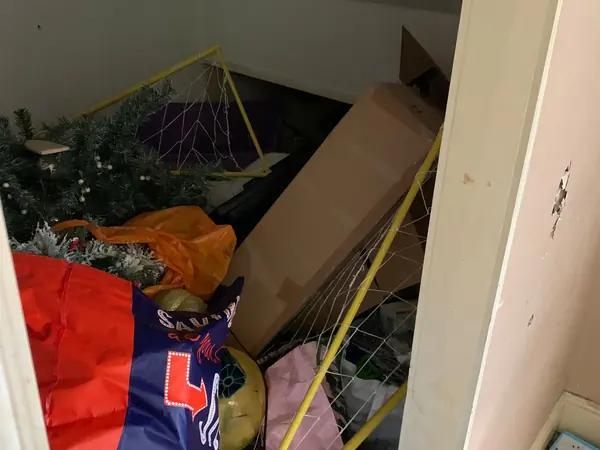
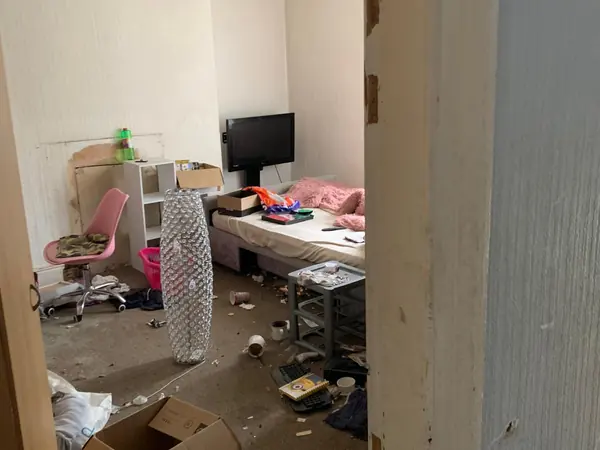
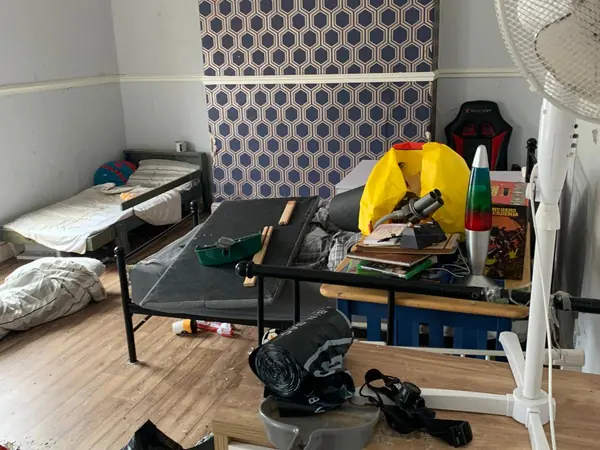
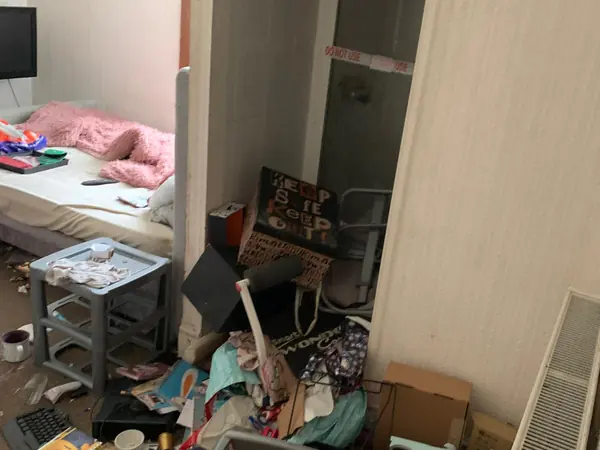
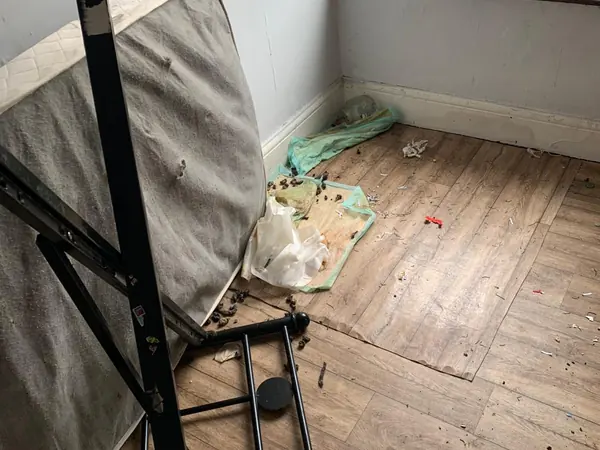
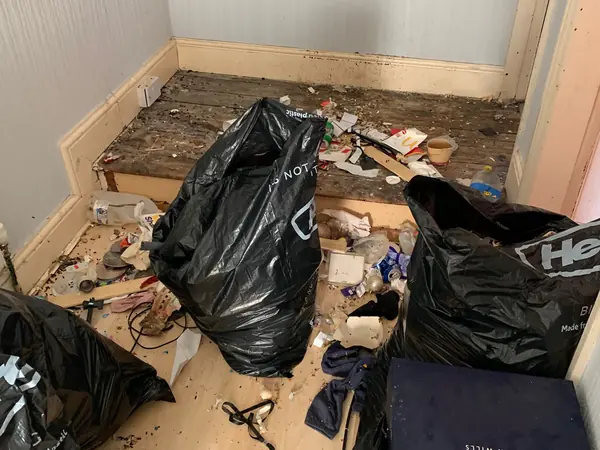
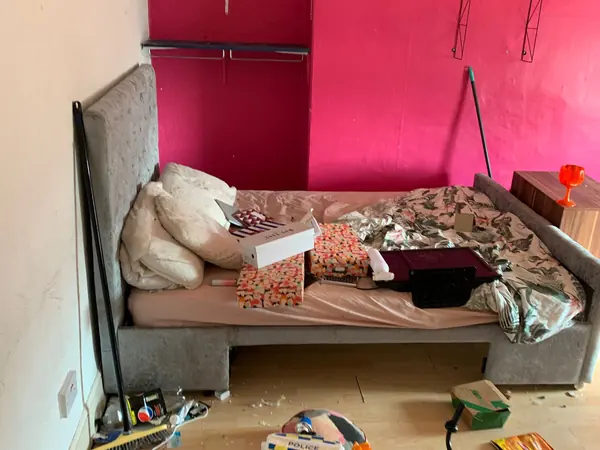
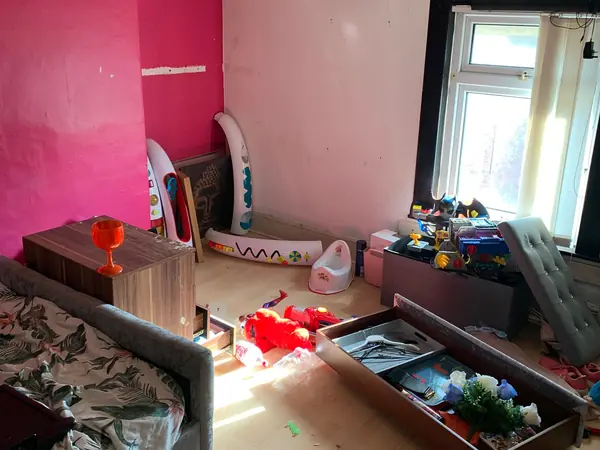
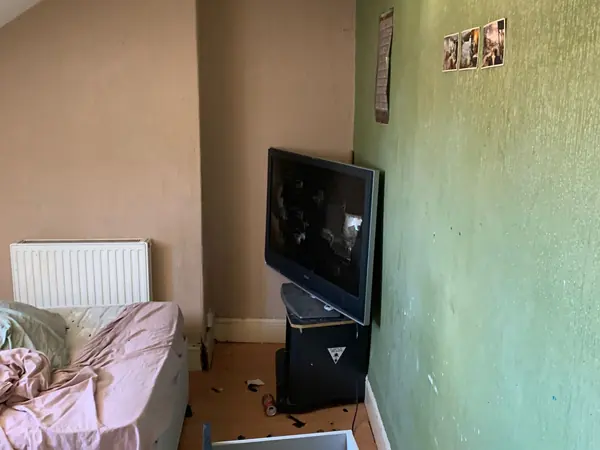
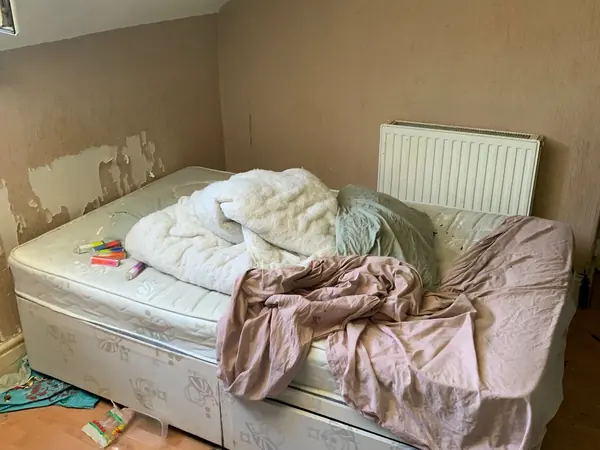
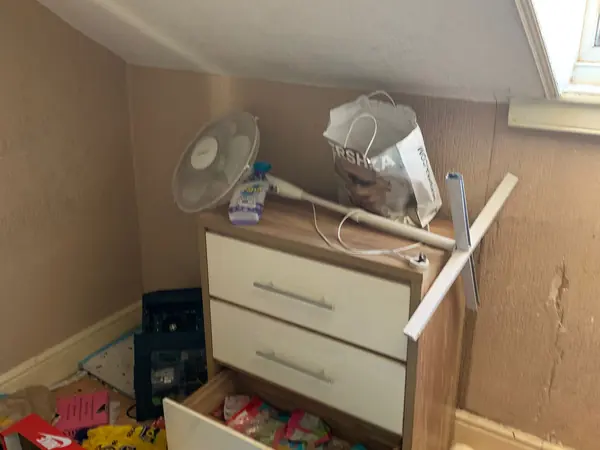
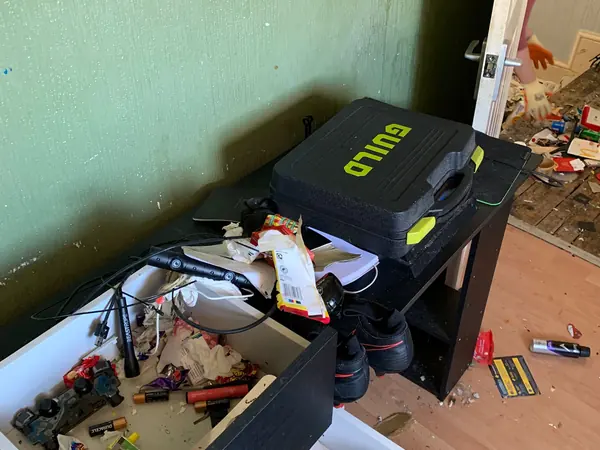
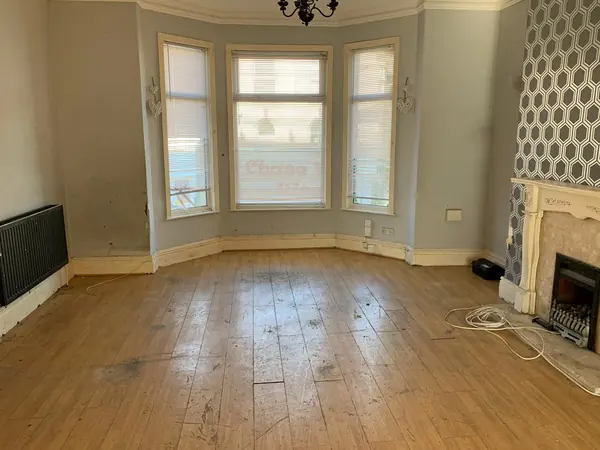
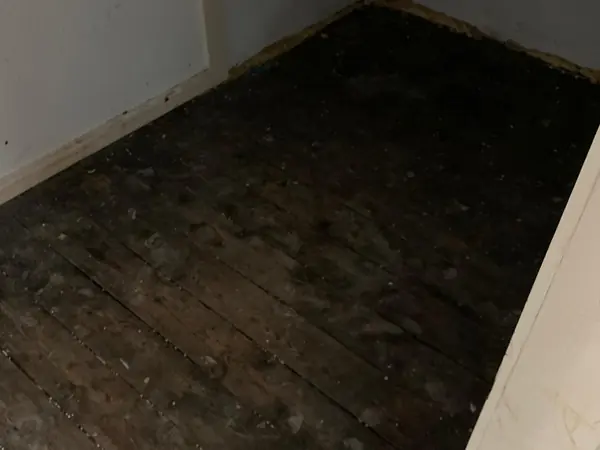
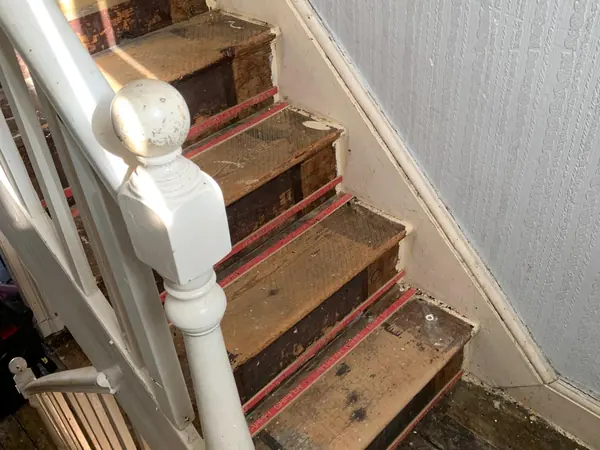
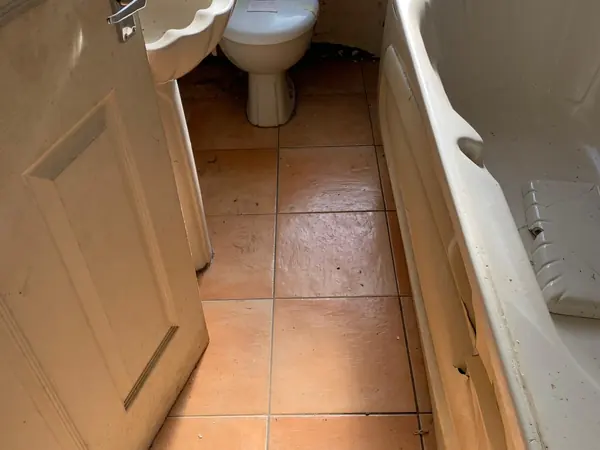
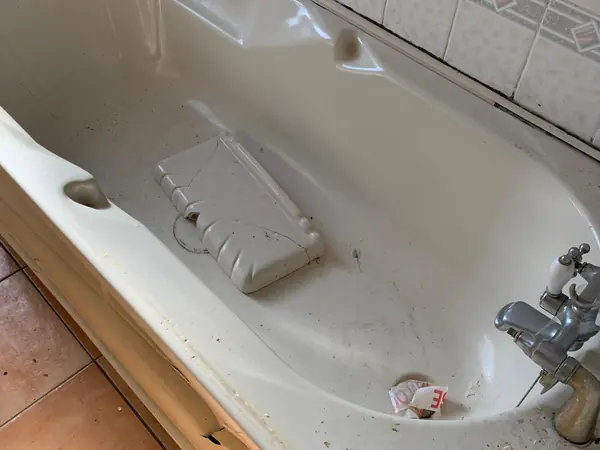
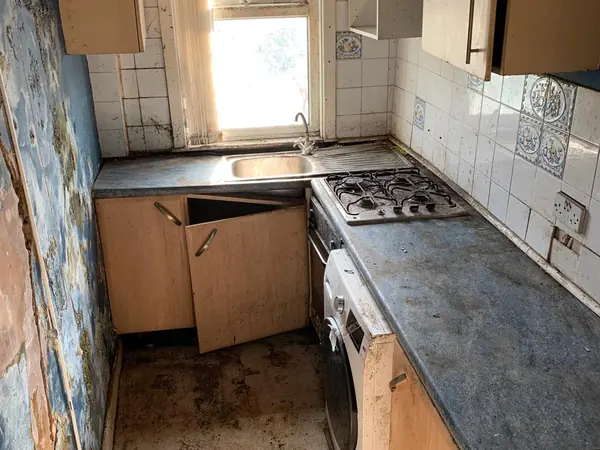
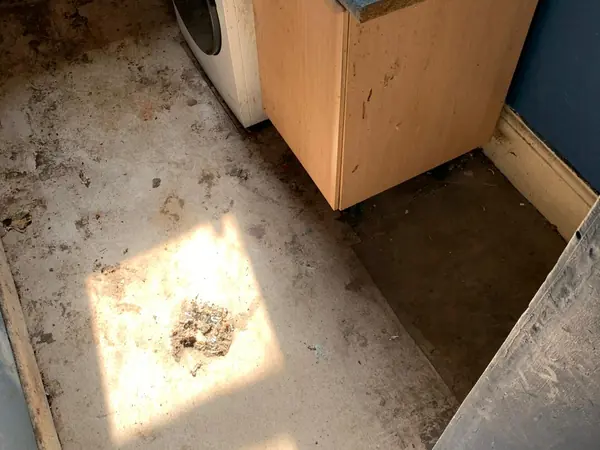
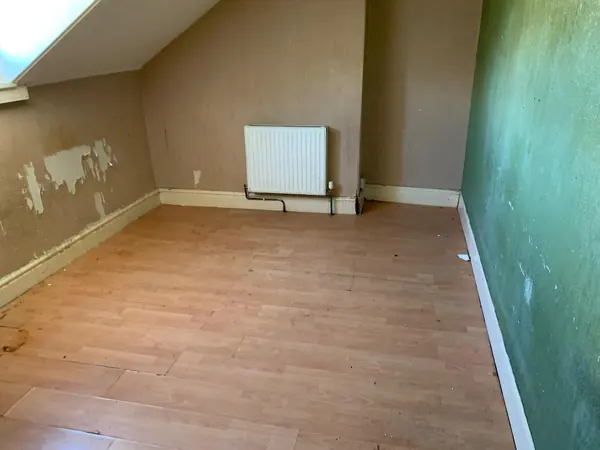
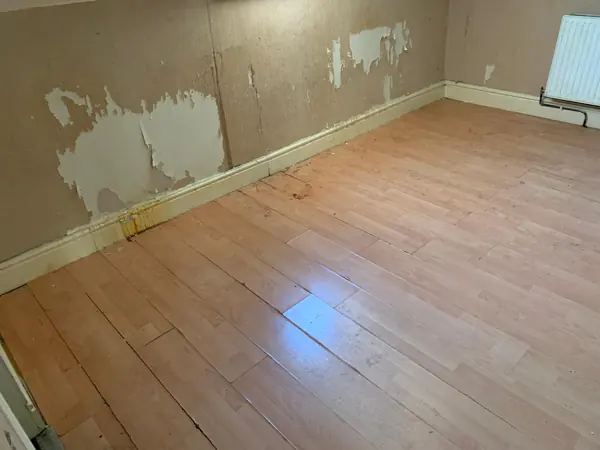
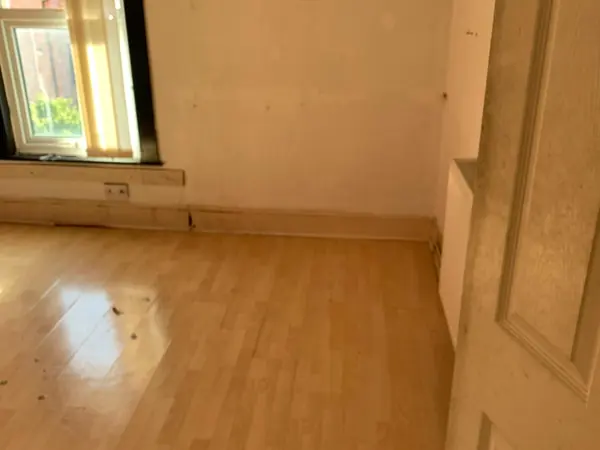
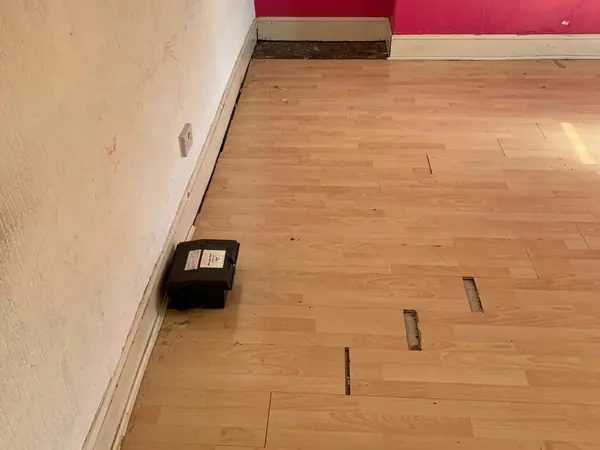
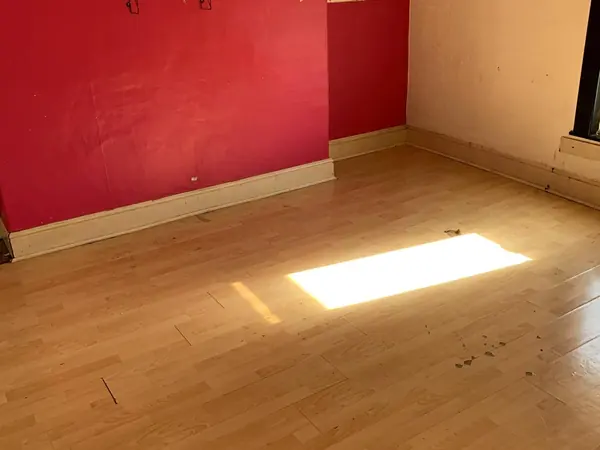
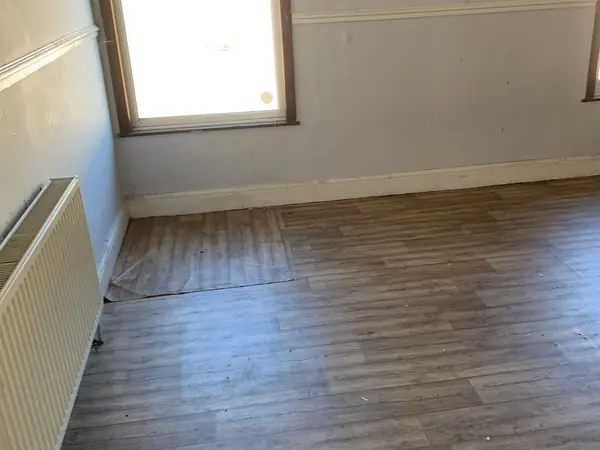
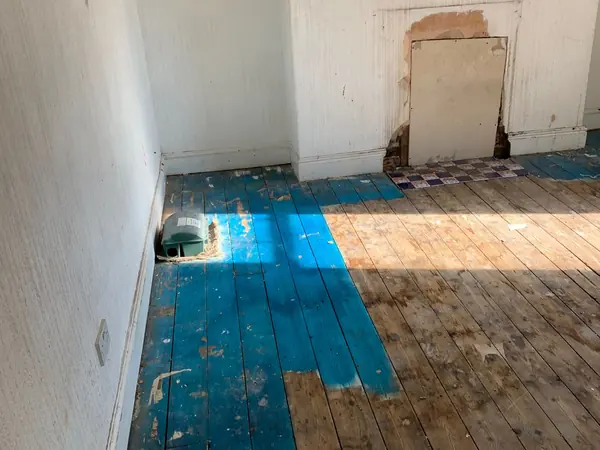
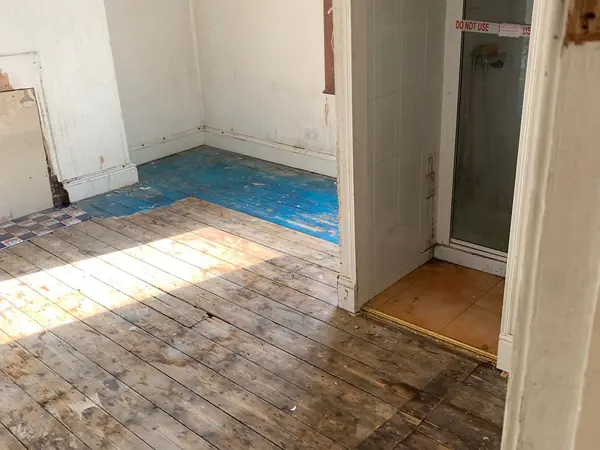
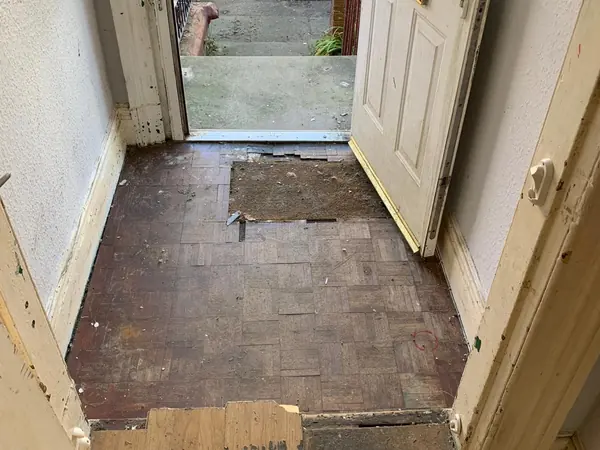
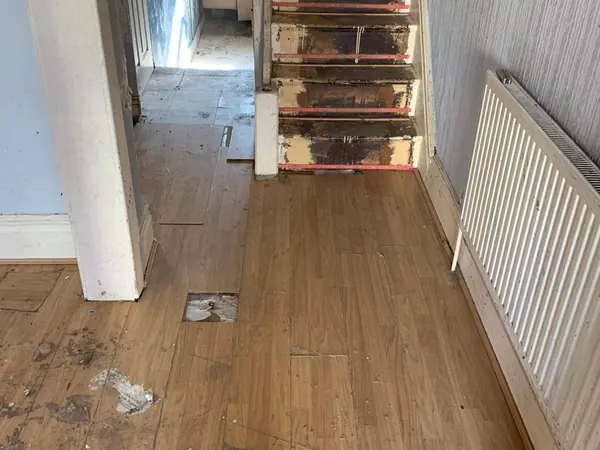
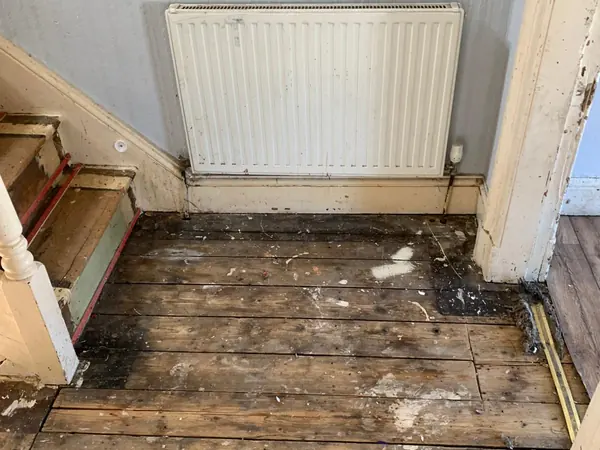
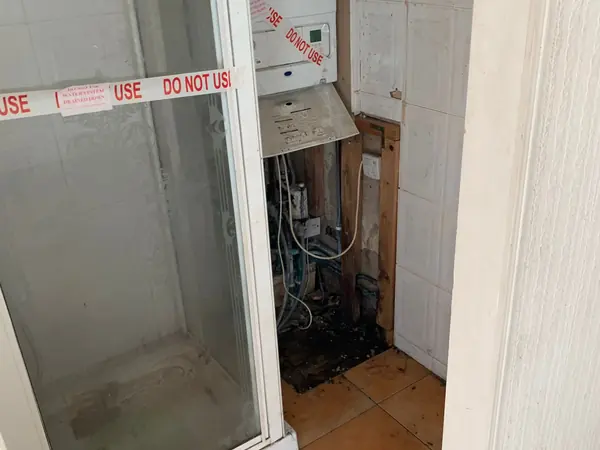
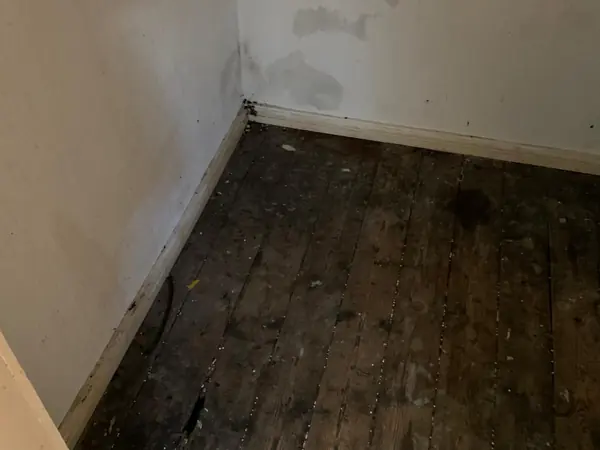
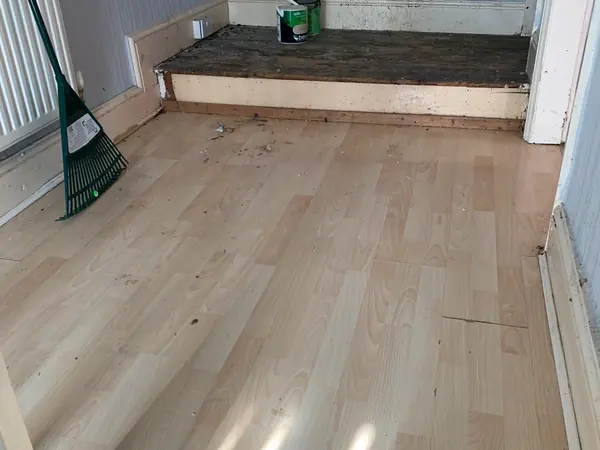
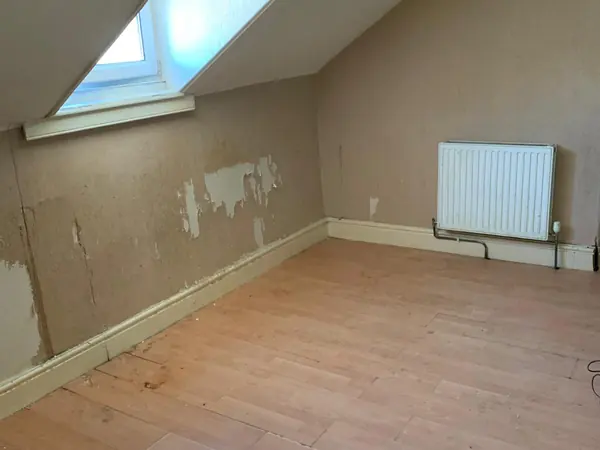
This property was being handed back at the end of a tenancy. The person instructing us was in another county entirely, the occupier had already gone, the keys were sitting with an estate agent, and nobody was going to be at the door on the day. All of it came through in writing, which suits us, and the instructions were unusually precise. No furniture in the place at all apart from a washing machine, and that was to come out. Nothing in the garden to remove. No shed, no garage, no loft to climb into. Every cupboard already emptied by somebody else. The carpets were staying down. What was actually left was loose stuff, photographed room by room beforehand so we knew what we were walking into — the residue that gets left behind when somebody moves out in a hurry.
One line in those instructions is worth repeating, because we're asked about it constantly: "Oven and hob are integrated so would remain." That was the right call, and it's the answer we'd have given ourselves. Built-in ovens and hobs are fixtures — part of the property rather than the contents — and pulling one out leaves a gap in the units, a dead electrical spur and an argument with whoever is taking the place on. A freestanding cooker is different; that we'll take.
There was a tin of paint as well, sitting where tins of paint always sit. Paint doesn't go on the van with the household waste. Half-used tins go down their own route, and we'd rather tell you that at the quoting stage than quietly bury one in the middle of a load.
The whole thing came to about three-quarters of a load, done and gone in a morning. The only loose end was administrative, and it came back to us afterwards like this: "The key return form was left with the Estate Agents by accident when the keys were returned - apologies." Nothing turns on it — but if you're managing an empty property from a distance, keys and the paperwork that goes with them cause more trouble than the furniture ever does.
Where the contents of a probate house clearance end up
Anything still usable we try to move on rather than tip — clothes, crockery, decent furniture, unopened bedding. Around here that means the charity shops in the town centre and the reuse projects that will take a van-load rather than a carrier bag. What's genuinely finished with goes to a permitted transfer station and is weighed and ticketed there, and we can send you the transfer notes if a solicitor or an executor wants them for the file. Our waste carrier registration is CBDU419679, and it's worth checking that number on anyone you let load a van outside your house — the fly-tipping bills in this borough land on the householder, not the man with the flatbed.
A few things travel differently. Sofas, armchairs and other upholstered seating now have to go down a separate regulated route because of the flame retardants in the foam, which is why upholstery and beds are handled apart from the rest of the load rather than vanishing into it. Fridges and freezers are classed as hazardous and are dealt with on their own. And there are items we simply can't tip in with household goods at all — half-used tins of gloss, gas cylinders in the shed, oil drums, asbestos sheeting off a garage roof. Tell us before the day and we'll sort a route for them; find them mid-clearance and we'll tell you honestly what it adds.
What house clearance St Helens throws at us, street by street
The housing changes a lot in a short distance, and it decides how the day goes. Round the town centre and Thatto Heath you get tight terraces with a front door straight onto the pavement and a back entry too narrow for anything but a barrow — a wardrobe comes down the stairs and out the front, and the van goes wherever there's a legal gap. Sutton and Parr are much the same, with the added quirk that a lot of those houses have had a lean-to or a conservatory bolted on the back that's full of everything nobody wanted indoors.
Eccleston and Windle in WA10 are roomier: post-war semis, drives you can actually reverse onto, garages with a door that hasn't been opened since the mower stopped working. Haydock, Rainford and Billinge in WA11 are more spread out again, and that's where we meet the sheds, the greenhouses, the old outbuilding at the bottom of a long garden. Rural-ish addresses out that way usually mean the van gets close, which saves an hour of carrying.
Access is the one thing we'd like to know before quoting. Where can a Luton stand, is there a permit bay or a controlled zone, is it stairs or a lift, is there a gate that only opens halfway. None of it is a problem — it just changes how many of us turn up.
The kinds of house clearance St Helens asks us for
Probate house clearance in St Helens
Most of our work here is probate. A probate house clearance usually starts weeks after the funeral, once somebody has finally got the paperwork through, and it's almost always being run by a person who doesn't live in the borough. We work from keys, a key safe number or an agent, and photographs go back at the end so the executor can see every room bare. We can invoice a solicitor, a trustee or the executor directly, and where a house clearance is part of an estate the bill can wait and be settled from it. There's no deposit taken to hold a date. If a specific item is to be kept back for the family — a clock, a ring, a box of papers — write it down for us and it will be set aside rather than found later.
Flat clearance and end of tenancy work
Flat clearance in the town centre blocks and the maisonettes off Boundary Road is planned around the stair and the parking rather than the contents. Communal front door, no lift in the older blocks, and a bay that a delivery van will be sitting in at nine. Tell us the floor and whether the entry door has a code.
End of tenancy clearance and empty properties
Landlords and managing agents book us for end of tenancy clearance where a tenant has left things behind, and the same rules as above apply: tell us what stays. Carpets, curtains, light fittings and integrated appliances are the four that come up every single time. We can strip the lot or leave all of it — but the instruction has to come before the van does, not after.
One load, one day, done
Not everything is a marathon. Plenty of clearances go out in a single load — one van, one team, in and gone before the afternoon. The person arranging it often never sees us at all; they get the photographs and the paperwork, and that's the end of it. Plenty of house clearance work is exactly this dull, and dull is what you want.
How we arrive at a figure
Send the postcode and photographs of each room, including the loft hatch, the garage and the shed if there are any, and we'll come back with a figure and a date. It's free and it doesn't commit you to anything. If we've misjudged the volume from your photographs we say so on the day and give you the options before anything else goes on the van — you'll get a straight answer over the phone rather than a number invented on your doorstep.
Mattresses, fridges, freezers and upholstered furniture are handled separately from the general load because the law says they have to be, not because we've decided to make a fuss of them. We're insured, and the paperwork is there to be seen if you'd like a copy.
Hoarder house clearance, sheds, garage and loft clearance
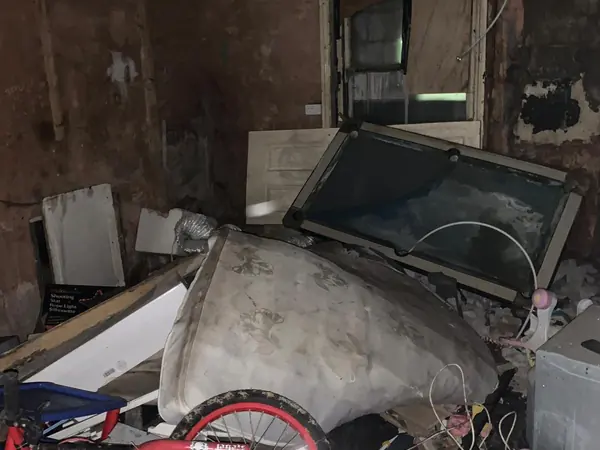
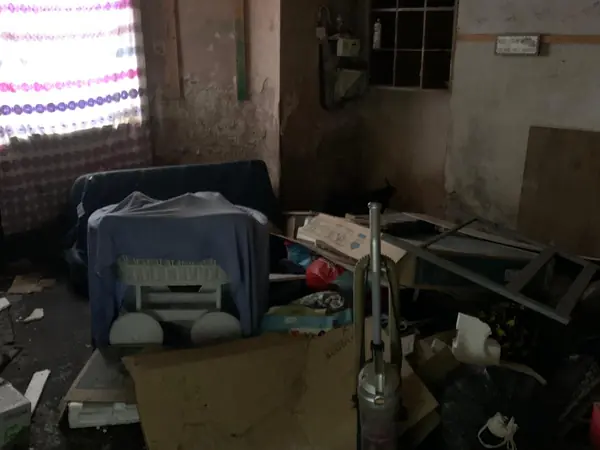
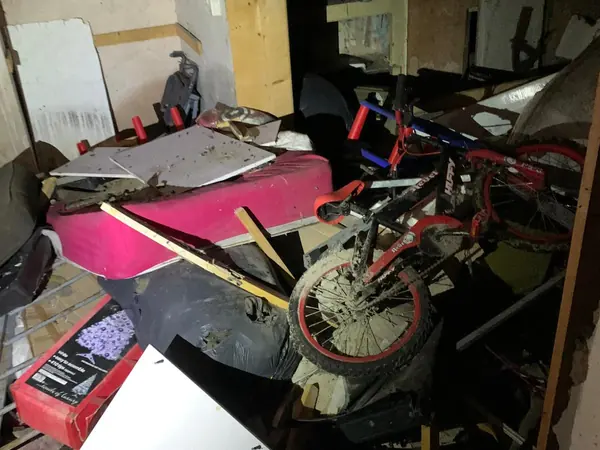
Heavily overfilled houses are ordinary work for us and we don't make a performance of them. Same with lofts that have not been opened since the loft ladder broke, sheds full of tins, garages you can't get the door up on. Nobody on the team is going to say anything about the state of the place, on the day or afterwards.
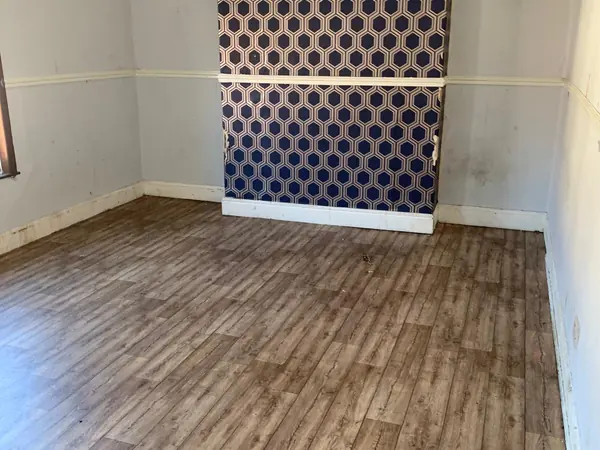
We also strip out as well as clear. Wallpaper is the common one — walls taken back ready for the decorator, no furniture involved. If you're clearing a house to sell it, having the paper off at the same visit saves the bother of getting two firms through the same front door.
Common questions about house clearance in St Helens
How much notice do you need? Usually a day or two is enough to get a team and a van booked in. If you're working to a completion date or the end of a tenancy, say so when you first ring — that changes where you go in the diary.
Do I have to be there on the day? No. A good half of the clearances we do in St Helens are run remotely, on a key safe number or a set of keys from an agent. Photographs of every room go back to you when we've finished.
Can you invoice a solicitor or an executor? Yes, directly, and where the clearance forms part of an estate the invoice can be settled from it. No deposit is taken to hold the date.
What won't you take away? Paint and solvents, gas cylinders, oil drums, asbestos and anything similar. They exist, we're not shocked by them, but they go down a separate route — tell us in advance and it's arranged before we arrive.
Are you licensed to carry the waste? Yes — waste carrier registration CBDU419679, and everything is weighed and ticketed at a permitted transfer station. Ask and we'll send the transfer notes for the file.
Booking a clearance
Ring the office on 0800 046 5555 or use the form on this page with the postcode, roughly what's in the property, and whether there's anywhere to put a van. Photographs help more than descriptions do. We'll come back with a figure and a date, and if there's a completion or a tenancy end you're working towards, tell us that first — it changes how we schedule you.