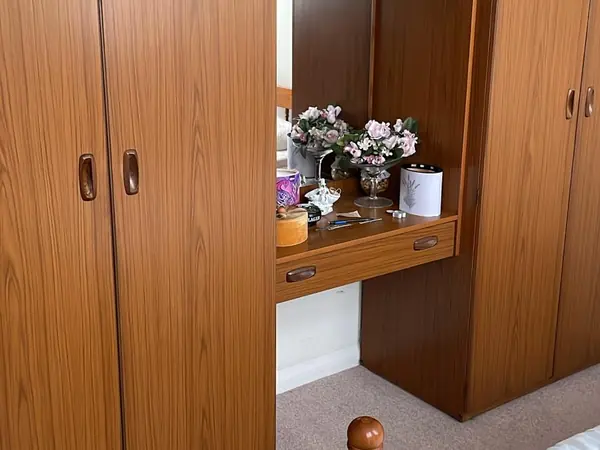
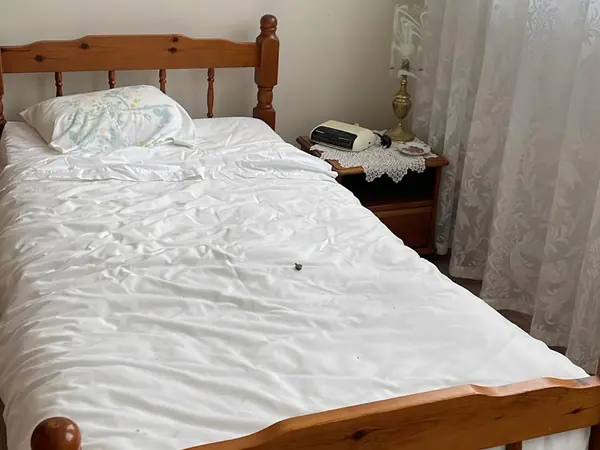
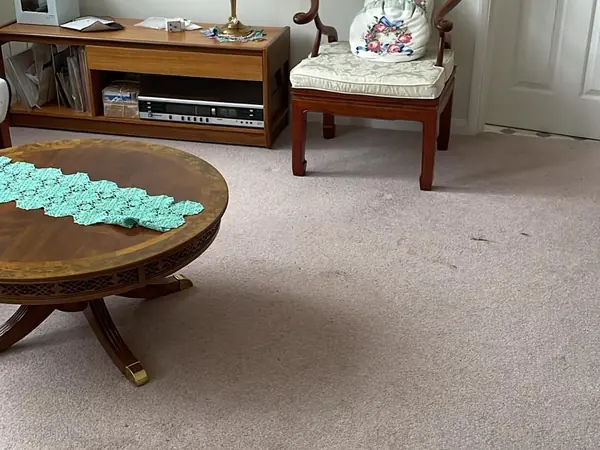
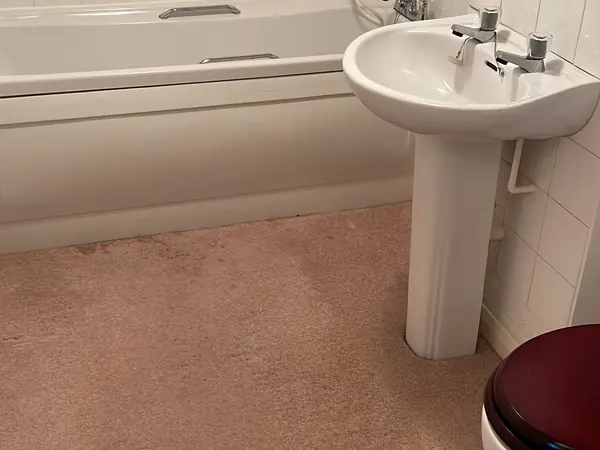
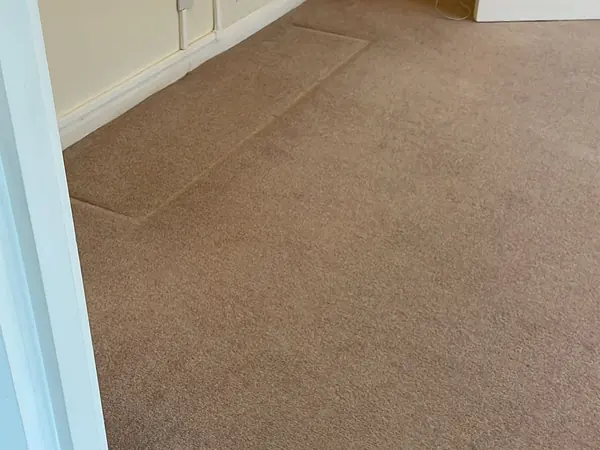
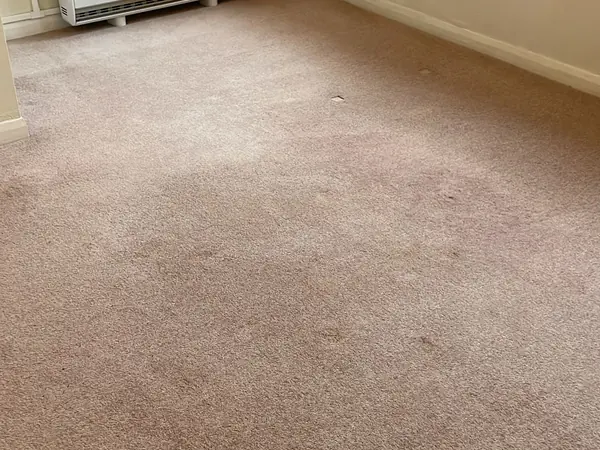
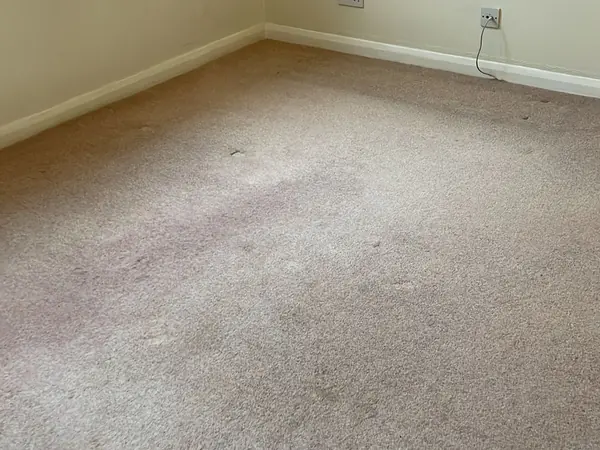
House clearance in Bishop Auckland is most of what our vans do in this corner of County Durham, and a job here nearly always starts the same way — a phone call, then photographs. Not every one of them is a family, though, and not every one of them fits in a day.
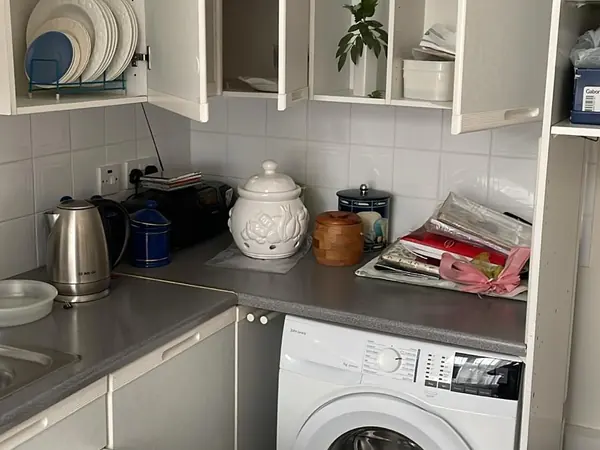
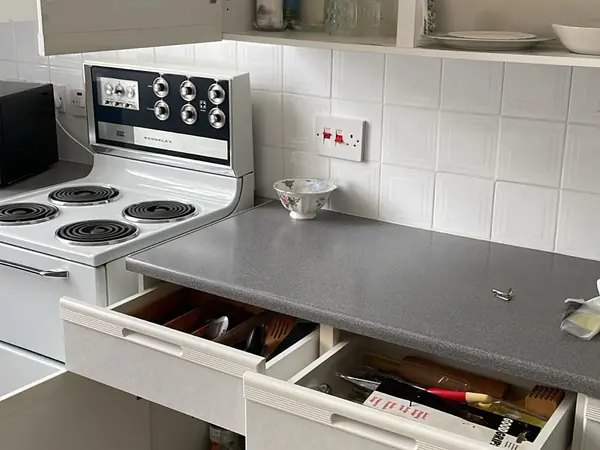
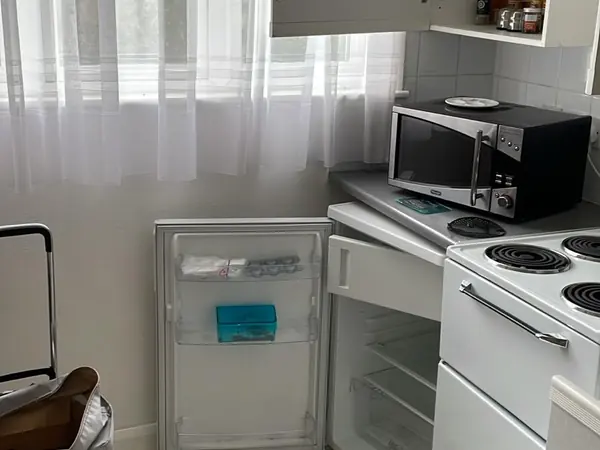
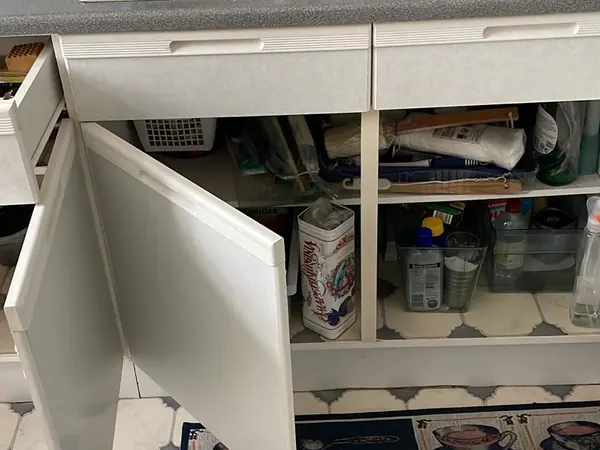
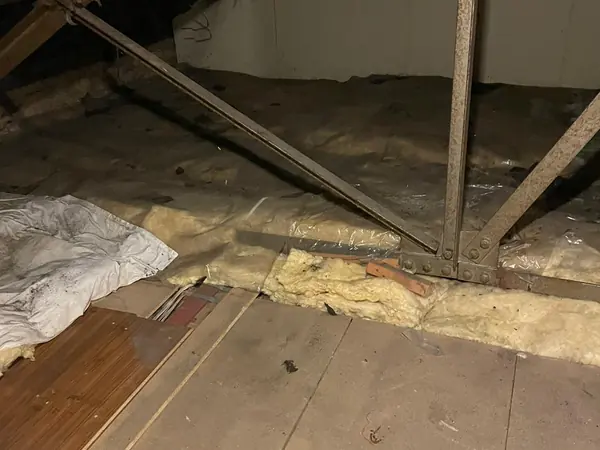
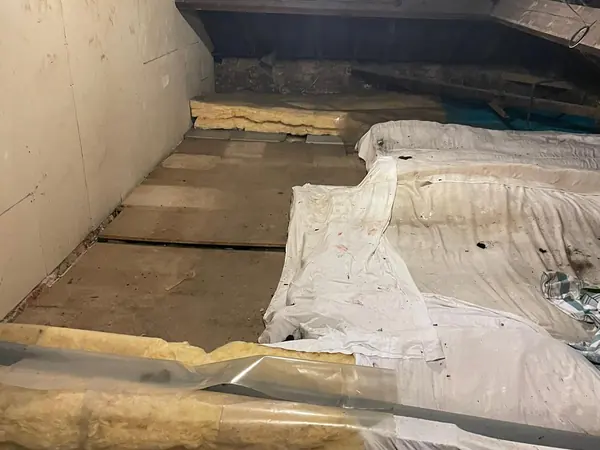
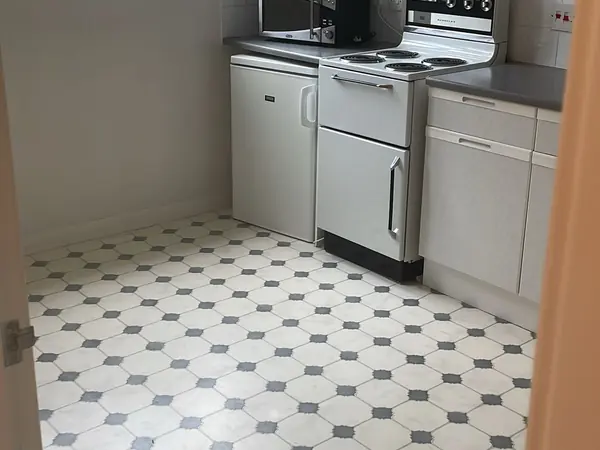
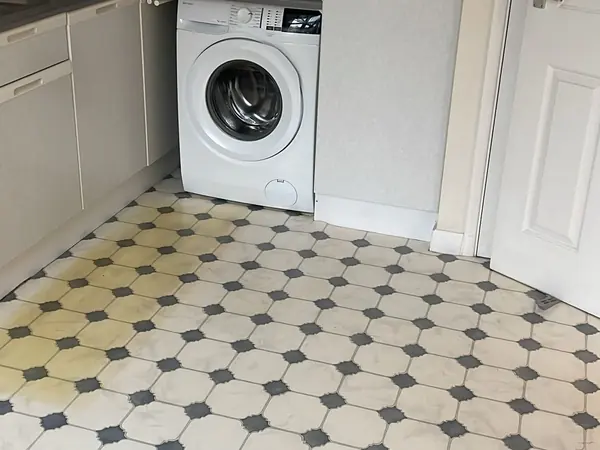
One the team still bring up came in from a property firm rather than a family — the people instructing us were managing the house from a long way off and had never stood inside it. It ran across two days in February 2021. A first load out on the first morning, then a second load the same day. Then, the following morning, the verminous side of it, which is a separate operation with its own kit and its own paperwork, with two more loads behind that. Four loads in all, plus the verminous one logged on its own. A fridge freezer came out. Three mattresses as well, and those went off on their own route rather than in with the rest.
We work the whole of this corner of County Durham, and Bishop Auckland sits almost exactly in the middle of the two clusters of jobs we do most. The town's own postcode district is DL14; DL13 runs west of it up Weardale, through Wolsingham, Frosterley, Stanhope and Tow Law, and we cover both. North and east of here are the DH postcodes around Durham City and the pit villages — Meadowfield, Ushaw Moor, Brandon. South is DL: Shildon, Newton Aycliffe, then across the Tees boundary into Richmond and the villages off the A66.
Barnard Castle is half an hour west up Teesdale. Crook, Spennymoor and Ferryhill are all inside twenty minutes. We also cover Consett, Stanley and Chester-le-Street towards the Tyne, and the coastal side — Seaham, Peterlee, Wingate, Trimdon — where the postcodes turn SR and TS. The vans come in off the A1(M) at Bowburn or Aycliffe.
If the property is over the boundary from us there is a page of its own for house clearance in Darlington, and the same for house clearance in Durham, house clearance in Newton Aycliffe and house clearance in Chester-le-Street.
A house clearance that needed more than one van
Neither the fridge freezer nor the mattresses off that job go in loose with the furniture. Fridges and freezers hold gases that have to be drawn off under controlled conditions before the carcass is broken up, and mattresses travel on their own route to a site that will take them. And a verminous property is not a standard house clearance, whatever anybody tells you on the phone. The contents cannot be tipped in with a general load, the crew work in full protective kit, and the vehicle is dealt with after. It is ordinary work for us, mind. Nobody on the team pulls a face about it, and nobody says anything to a neighbour.
That is how a good many of our County Durham clearances run — the house in one county, the people deciding about it in another. We have taken instructions from the other end of the country, and more than once from a solicitor acting on an estate. On that two-day job everything went through an accounts office rather than a family; they were the ones who chased the paperwork afterwards, and at one point they wrote: "Could you please kindly update me on the dates the invoices fro Abacus House clearance will be paid?" Keys come by recorded post or sit in a keysafe with the code given the night before; meter readings get taken and sent on if you ask. We photograph every room empty at the end and email the set over, which saves an argument later with a buyer or an agent.
We can invoice the solicitor, the executor or the estate directly — you do not have to pay it yourself and claim it back, and on probate work the invoice is very often settled out of the estate. There is no deposit to find before we come. The invoice follows the work, once the house is empty and the transfer notes are issued, and it goes wherever you tell us to send it.
House clearance in Bishop Auckland between Christmas and New Year
We do get asked for that week. The office shuts from the 23rd, so anything wanted between Christmas and New Year has to be nailed down by the 22nd. Who is holding the key, who the team can ring on the morning, whether there is water and power on at the property. Somebody putting the heating on the day before matters more than people think when you are carrying wardrobes out of a cold house in December.
Gas bottles, paint, aerosols, oils and old chemicals from the garage don't just go in with the furniture. They are routed to a facility that will take them, because a general waste load isn't allowed to carry them and the transfer station will refuse the lot if it finds one. Tell us what's out there when you ring and it gets planned in from the start — nobody likes finding out about the four tins of creosote at four in the afternoon.
What a house clearance day in Bishop Auckland looks like
The team is on the doorstep at nine. The team leader walks the property before anything moves, and if what is actually there is not what the photographs showed, you hear so on the spot rather than at the end of the day.
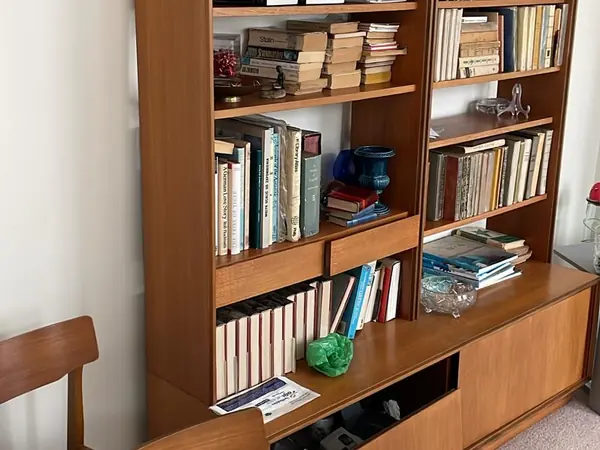
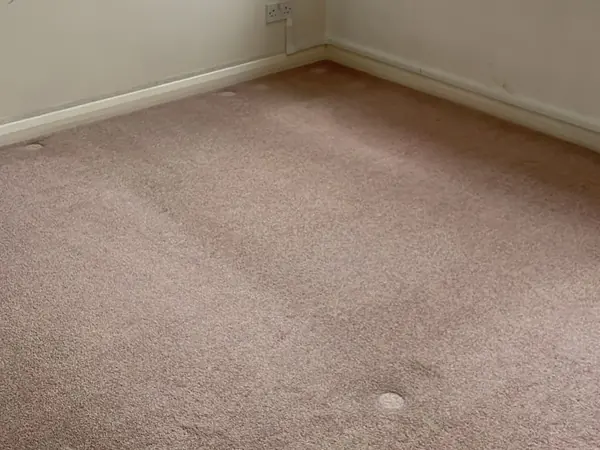
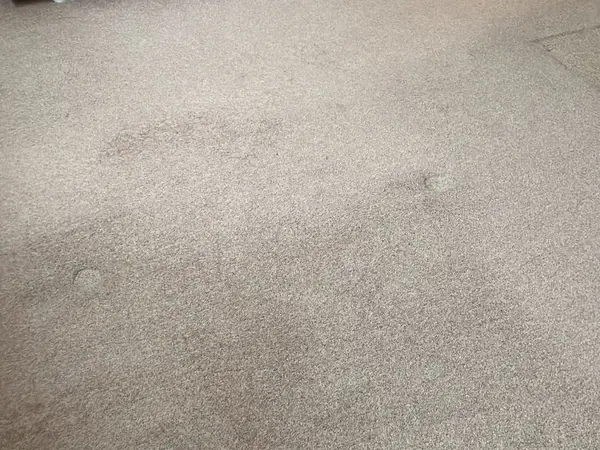
There is no need to box or bag anything up beforehand. Cupboards, wardrobes and drawers are cleared as they stand, carpets and underlay lifted if you want them gone, and the property swept through at the end. If there are things you want kept back — paperwork, photographs, a particular chair — say so in the morning and they get set aside rather than carried out. A four-bedroom house with a full loft is a different day from a two-bedroom bungalow. A garage you cannot get the door open on is a different day again, which is why we would rather have the awkward details on the phone than discover them.
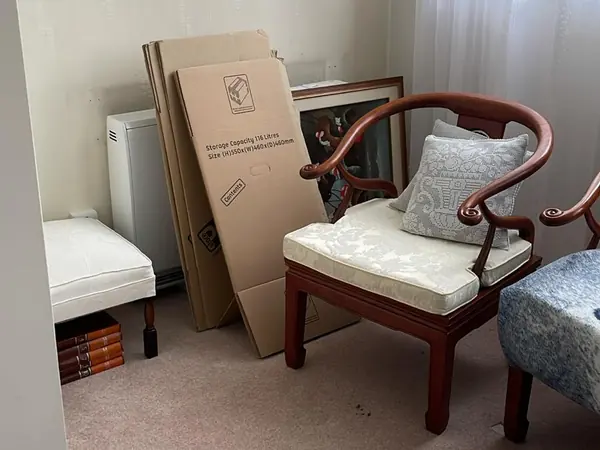
Sofas, armchairs, dining chairs with padded seats, ottomans, footstools: these fall under the POP rules — persistent organic pollutants, the flame retardants used in old foam — and by law they cannot be shredded or landfilled with everything else. They travel separately and are incinerated at a permitted site. One customer clearing a family bungalow asked whether a three-piece suite and an ottoman really counted. They do, all four pieces. The same customer wanted to know whether it meant standing about all day, or whether a walk round and a return before the team finished would do. It would.
Probate house clearance in Bishop Auckland, and houses nobody has opened for a year
A lot of what we do here is probate work, and probate work tends to arrive slowly — a solicitor writes, the family talks it over, the house sits. By the time we get there the fridge has usually been off for months. That is fine. Probate clearance here is rarely urgent and almost never tidy, and we would rather you rang early and booked late than the other way round.
We will take the paperwork and the personal things out of the way for you to look through, or set aside a box of anything that looks like documents if you would rather go through it later. If you want the meters read on the day, say so and the team will do it. Keys can be posted back wherever you need them. Executors who live at the other end of the country do not need to travel for a probate clearance; a keysafe code and a phone number for the morning is enough, and the probate paperwork. Invoice, waste transfer notes, empty-room photographs — goes to the solicitor or executor handling the estate.
End of tenancy work runs the same way, usually faster, because the date is fixed by somebody else. Flat clearance in DL14 has its own problems — a first-floor flat over a shop on a narrow street is a stair job, and we would want to know that before the van is loaded for the day. Garage and loft clearance is often the whole booking on its own: forty years of Christmas decorations, a workbench nobody has touched since the pit closed, tins on a shelf that nobody wants to move.
Houses that have filled up over years are ordinary work for us, not a special case, and nobody on the team will make a remark about it. Hoarder house clearance takes longer and it takes more loads, and it is far better for everyone if you tell us honestly what is in there so the crew size and the number of days are right first time. The two-day job above is the plain example of that. Told properly at the start, it was planned as two days and two sets of paperwork from the beginning, instead of the crew running out of daylight and van space on the first afternoon.
The tip run from a Bishop Auckland house clearance, and what avoids it
Furniture, crockery, books, working white goods and anything else still fit to be used again gets offered to charity shops and reuse projects around the county before it goes anywhere near a skip. Clothing and textiles go the same way. What genuinely cannot be reused is taken to a permitted transfer station and weighed in under our waste carrier registration, CBDU419679, with a transfer note issued for every load. Worth having if you are an executor and might one day be asked what happened to the contents.
Carrying waste for payment requires registration with the Environment Agency, and the register is public. If a van turns up unmarked and offers to take the lot away, ask for the registration number and check it. Fly-tipped furniture with an address inside it comes back to the householder, not to the man with the van.
Questions we get asked about house clearance in Bishop Auckland
Do I have to be at the property on the day?
No. Plenty of our bookings here are done on a keysafe code or a key left with a neighbour or an agent, and we send photographs of every room empty when the work is finished.
Can you deal with the solicitor or the executor instead of me?
Yes. We invoice the solicitor, attorney or executor handling the estate directly, and the bill can be settled out of the estate rather than out of your own pocket. The waste transfer notes and the completion photographs go the same way. There is no deposit, and the invoice comes after the work is done.
How much notice do you need?
Usually a few days, sometimes less. Ring and ask about the date you want — if it isn't free we will say so rather than string you along.
Do you take fridges, freezers and mattresses?
Yes, but they are handled under their own rules and go out by their own routes rather than in with the general load. Tell us how many there are when you ring.
What happens to things the family can't take?
Anything usable is offered on to charity shops and reuse projects in County Durham first. The rest goes to a permitted transfer station under our carrier registration.
Do you work outside Bishop Auckland itself?
We do — Shildon, Newton Aycliffe, Crook, Spennymoor and up Weardale into DL13, plus the DH villages towards Durham City.
Getting hold of us about house clearance in Bishop Auckland
Bishop Auckland's own streets set the pace of a day as much as the contents do. The terraces off Cockton Hill Road and the back lanes behind Newgate Street are narrow. The parking around the market place and Auckland Castle fills early, so we would rather know in advance whether there is a driveway, a shared yard or nothing but a permit bay. The station at the top of town, on the Bishop Line down to Darlington via Shildon and Newton Aycliffe, is handy if you are coming in by train to meet the team and heading back the same day. Several people have done exactly that.
Ring 0800 046 5555, or use the form on this page, with the postcode, the number of bedrooms, and anything unusual — a piano, a stairlift, a shed full of tools, a garden that has grown over the path. You will get an estimate from us on the call, before anyone drives out to County Durham. We have been clearing houses since 2007, we are fully insured, we put the whole scope in writing, and if the date you want is not free we will tell you so instead of stringing you along.