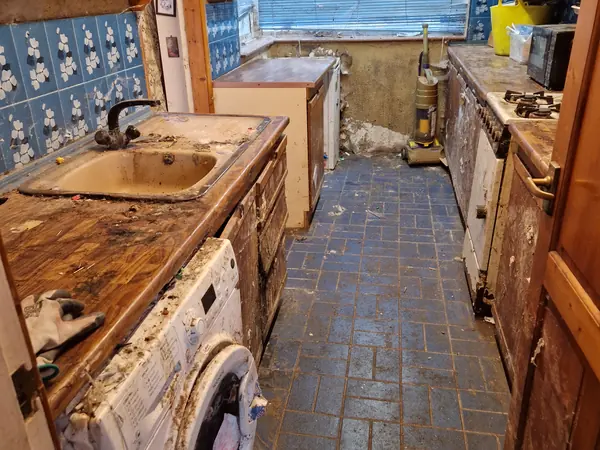
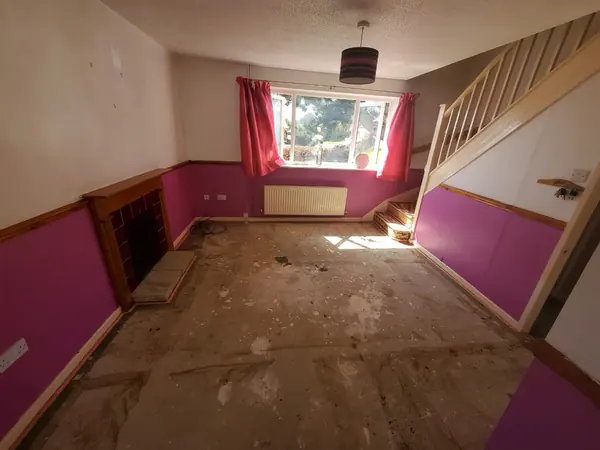
The chest freezer went and the fridge freezer stayed. That was more or less the whole instruction. A three-bed semi at Lofthouse, WF3, one Monday in July 2022, and it tells you more about how a Wakefield house clearance actually runs than any list of promises would. The man dealing with the property had typed it out beforehand, line by line. One of those lines we still quote at each other in the office: "1 x chest freezer ( empty) to be removed". Fridge freezer, washing machine and microwave to be left where they stood. "No carpets or curtains to be cleared." No cleaning wanted afterwards, no gardening, no verminous waste in the house, no parking restrictions outside. He met the team at nine and stayed on site for access all day. The paperwork went out afterwards to an address over in East Yorkshire, which is how a fair few of these go — the house is in Wakefield, the person sorting it out isn't.
It ran to more than one van load. Most semis round here do, once the loft and the shed get opened. A bookcase with glass doors that took two men and a blanket. A camphor chest that smelled of it the moment the lid came up, a folding picnic table, a leatherette footstool with the stitching gone at one corner. Boxes of records, mostly seventies singles — Slade, Suzi Quatro, the New Seekers — which went out whole rather than being sorted on the floor. And a twin-tub washer stood in the back kitchen that hadn't been plumbed in for years, next to a Baby Belling nobody had cooked on since it went out of fashion.
Probate house clearance in Wakefield
Most of what we do here is probate work, and most of it is instructed by somebody who isn't in West Yorkshire at all. The executor is a hundred or two hundred miles away. The keys are with an agent or a neighbour. The only thing standing in for a walk-round is a set of photographs taken by the team leader — one set before anything is touched, one set at the end, room by room, with the doors left open so you can see into them.
That is the shape of nearly every probate house clearance in Wakefield we've done. People ask for the photographs and we send them; if nobody asks, we send them anyway. It's cheaper for everyone than a wasted drive up the M1.
On the paperwork side we say it plainly. Say a firm of solicitors, an attorney under a power of attorney, or an executor of the estate is handling matters, we invoice them directly rather than sending anything to the family, and payment can come out of the estate in the ordinary way. There is no deposit. Nothing at all is asked for up front to hold a date — the invoice follows the work, not the other way round. If you want a figure before you commit to anything, ring the office or send photographs through the form on this page and you'll get one.
The firm has been doing this since 2007. Probate instructions are the routine rather than the exception, and the questions executors ask — who signs, who pays, what happens to the waste transfer notes — have all been asked before.
Where we go in and around the city
The Wakefield postcodes we work through are WF1 and WF3 for the city and the villages north of it, WF11 out at Knottingley, and WF13, WF15 and WF17 across the Kirklees side at Dewsbury, Liversedge and Batley. In practice that takes in Lofthouse and Tingley in WF3. Outwood and Wrenthorpe sit in WF1, Sandal in WF2, Ossett in WF5 and Horbury in WF4 as well, and we'll happily run further out towards Normanton and Castleford on the same day if two properties can be strung together. West Yorkshire is compact like that. Wakefield Westgate and Kirkgate are both a few minutes from the city-centre streets. That matters when a relative is coming up by train to hand over keys and go home the same afternoon — we've met people on the platform at Westgate before now, taken the key, and posted it back.
The towns either side have their own pages, and it's worth reading whichever one your property actually sits in. North of us there's house clearance in Leeds, which is the bigger neighbour and the one most people search for first. Going the other way, east and west of the city, there's house clearance in Castleford, house clearance in Pontefract and house clearance in Huddersfield. Anything in between, ring and ask — the answer is usually yes.
Two in WF1, both instructed from far away
One was a flat in a big converted block on the south side of the city, WF1. The person dealing with it lived over at Otley, the other side of Leeds, and had no wish to sit in a hallway all day watching furniture go past. The van went out twice that day, and one mattress came out with it. The other WF1 job was a terraced house closer to the centre, instructed by someone in North Somerset who had inherited it and had never been inside. Three mattresses came out of that one — three bedrooms, three beds, all of them older than the tenancy.
Mattresses and soft furniture are handled separately from everything else, and that isn't us being awkward. Sofas, armchairs and footstools fall under the POPs rules, which means they can't be tipped or shredded in with a general load; they have to go to a permitted site for incineration, and the paperwork has to show it. Fridges and freezers are a separate stream for a different reason — the gas in them makes them hazardous waste, so they come out on their own and go where they're supposed to go.
What happens to the contents
Nothing worth using should be crushed, and on most of these houses a good third of what comes out is still perfectly serviceable. Furniture in decent order, unopened kitchen bits, tools, books, crockery — we try to move that on through charity shops and reuse schemes around the district before anything else happens to it. What's genuinely finished with goes over the weighbridge at a licensed transfer station, gets sorted for recycling there, and the transfer notes come back with the van; ask and we'll send you copies. The company is registered with the Environment Agency as an upper-tier waste carrier, number CBDU419679, and is insured for the work.
A few things can't travel in a general load at all. Half-used paint tins, gas canisters, old solvents, asbestos sheeting off a garage roof. Those need a separate arrangement and it's better to say so on the phone than to have the team find them in a shed at ten past nine.
The access question
Access is the thing that decides how long a day takes. The estates at Lofthouse, Tingley and East Ardsley are straightforward — drives, no restrictions, a Luton can sit outside the door. The older streets in central Wakefield are one thing. The stone terraces up towards Batley and Liversedge are a different job: back lanes barely wide enough for the mirrors, parking on both sides, and a walk of thirty or forty yards with every wardrobe. It doesn't change what we can take, but it does change how much gets done before the light goes, so tell us about it when you ring rather than letting the team find out.
Kinds of house clearance we take on in Wakefield
Garage and loft clearance in Wakefield
Half the work on a Wakefield semi is above and behind the house rather than in it. Garage and loft clearance is the part people forget when they estimate their own job. The loft hatch that hasn't been opened since the boiler was done, the single garage with a decade of paint tins, bike frames and a rolled carpet leaning on the up-and-over door. We take the loft out through the hatch by hand, boards and all if they're coming up, and the garage last because it's the easiest thing to load. If the garage door won't open at all — swollen, seized, key long gone — say so on the phone and the team will come prepared rather than standing in the drive.
End of tenancy and flat clearance in WF1
Flat clearance in the city centre is its own animal: shared entrances, a lift that may or may not be big enough for a three-seater, and a caretaker who wants notice. End of tenancy work is usually the fastest thing we do. There is less of it, and it is all on one floor, but it's the one where the deadline is real — the keys go back on a date somebody else set.
Full houses, packed houses
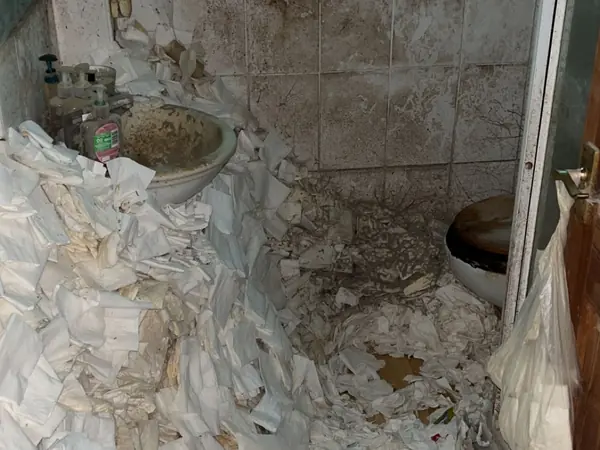
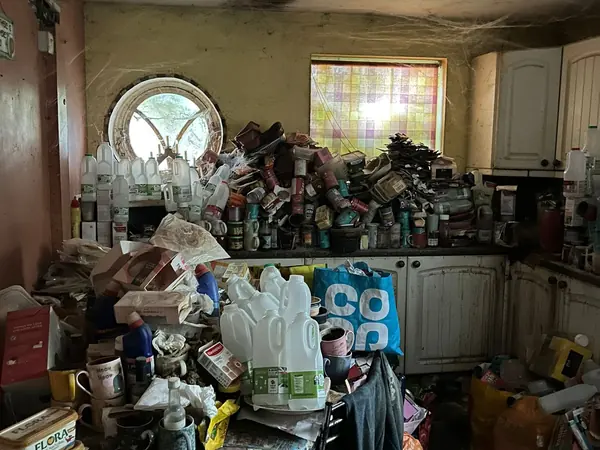
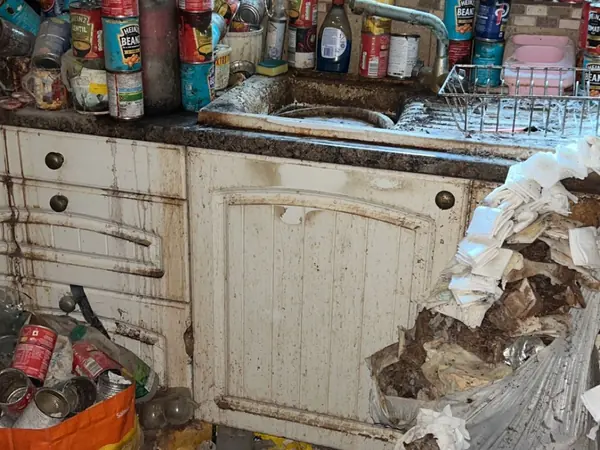
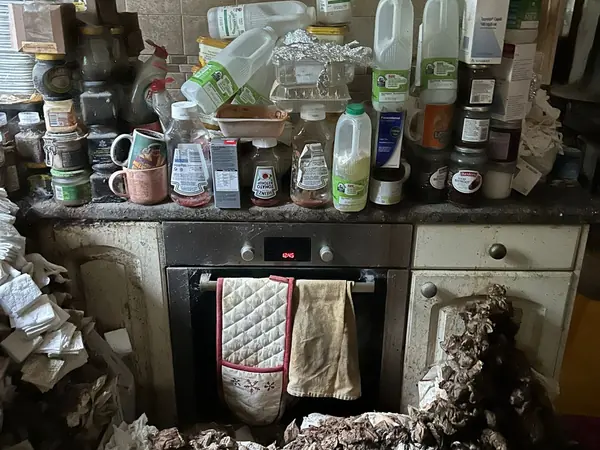
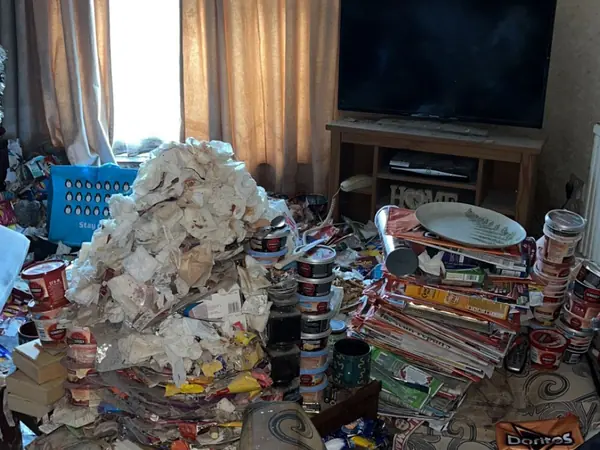
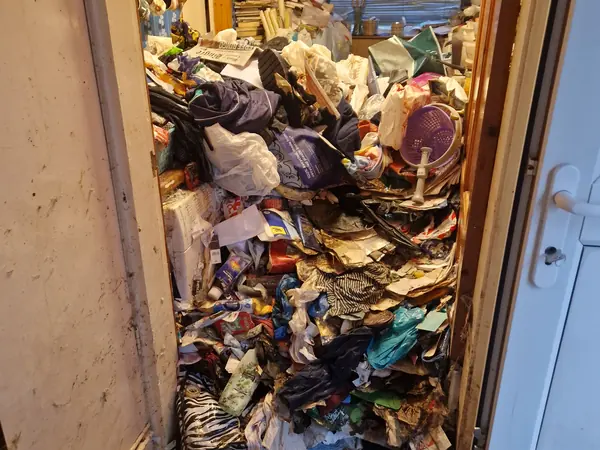
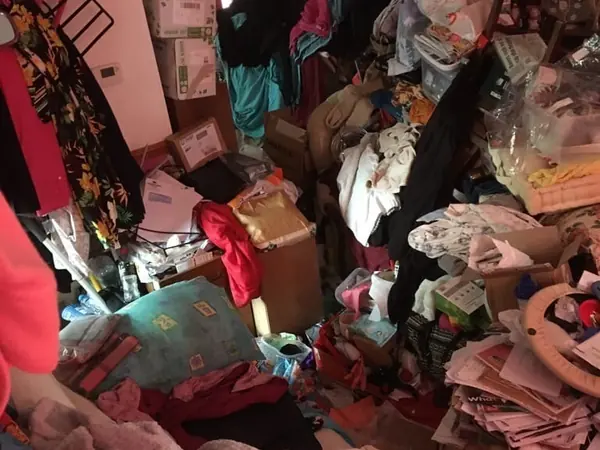
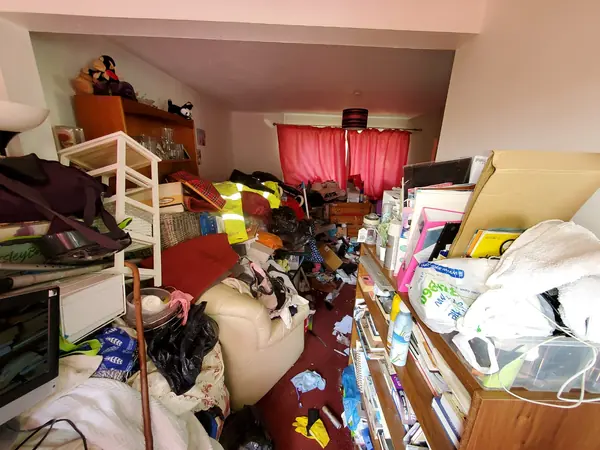
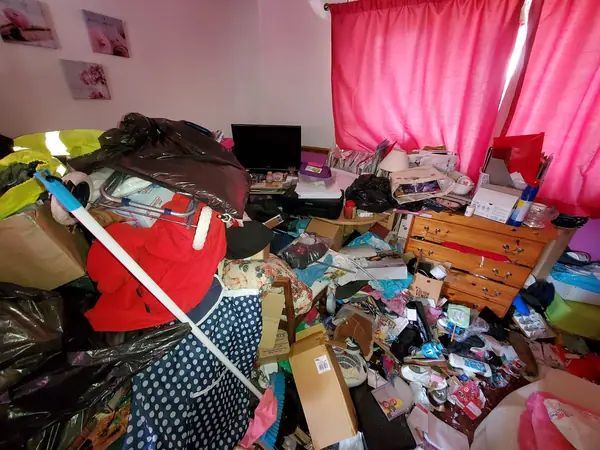
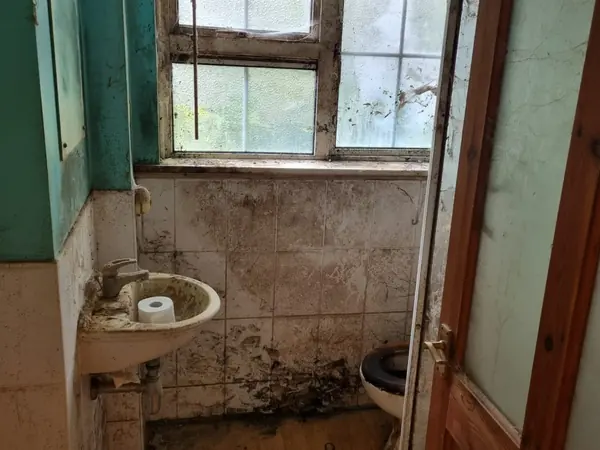
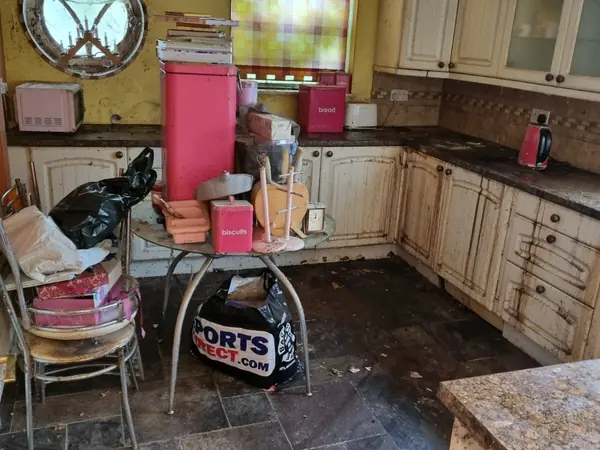
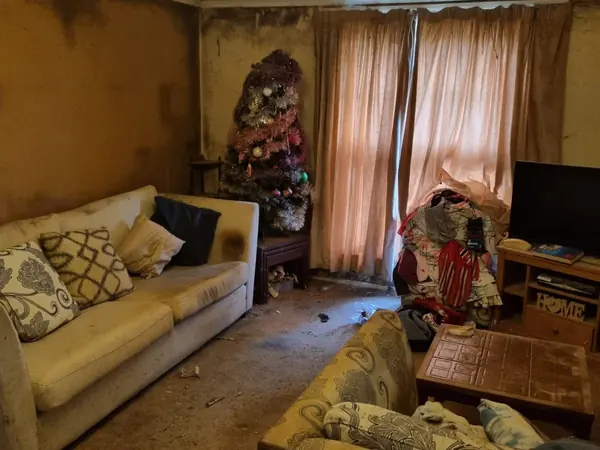
Some of these properties haven't been emptied in forty years, and some have been filled rather than lived in. A hoarder house clearance is ordinary work to this team — they've seen it many times over and nobody stands in the doorway pulling a face. It simply takes more loads, and possibly a second day, and we'd rather tell you that on the phone than surprise you at four in the afternoon. Photographs help. Send a few from your own phone and the estimate you get will be close to what you end up with.
Setting a date
Ring the office on 0800 046 5555 with the postcode, the size of the property, and anything unusual — a piano on the first floor, a stairlift, a garage you can't open. Or send photographs through the form on this page. You'll get a figure before anyone sets off from the yard, and it isn't rewritten on the doorstep. Holding a date costs nothing and moving it costs nothing either, so there's no reason to guess at one while a sale is still wobbling. The team arrives at nine, and on most Wakefield houses the doors are locked again the same evening.
Questions we get asked
Do you cover my part of Wakefield? WF1, WF2, WF3, WF4 and WF90 are the city's own districts, and we work right across them — Outwood, Wrenthorpe, Sandal, Horbury, Lofthouse, Tingley, East Ardsley. If you're just outside, the neighbouring towns above have their own pages and the same team covers them.
Can you invoice the solicitor or the executor? Yes. Where probate is being dealt with, we invoice the solicitor, the attorney or the executor of the estate directly, and payment can come from the estate. There is no deposit and nothing is payable before the work is done.
Can you clear a garage and loft as well as the house? Yes, and it's normal for a Wakefield house clearance to include both. Mention them when you ring, because they change how many loads the day needs.
Do I need to be there on the day? No. Plenty of our Wakefield work is instructed by someone in another county who never sees the property. The team leader photographs every room before and after and sends the set through.
What can't go in the van? Paint, solvents, gas bottles and asbestos need a separate arrangement. Fridges, freezers and POPs-classed soft furniture come out separately and go to permitted sites, with the transfer notes available on request.
How do I get a figure? Ring 0800 046 5555 or send photographs through the form on this page, and you'll have one before anybody leaves the yard.